How does the Temperature Dependence of a Capacitor's Capacitance Value affect the Tuning Point of a Detuned Filter Circuit?
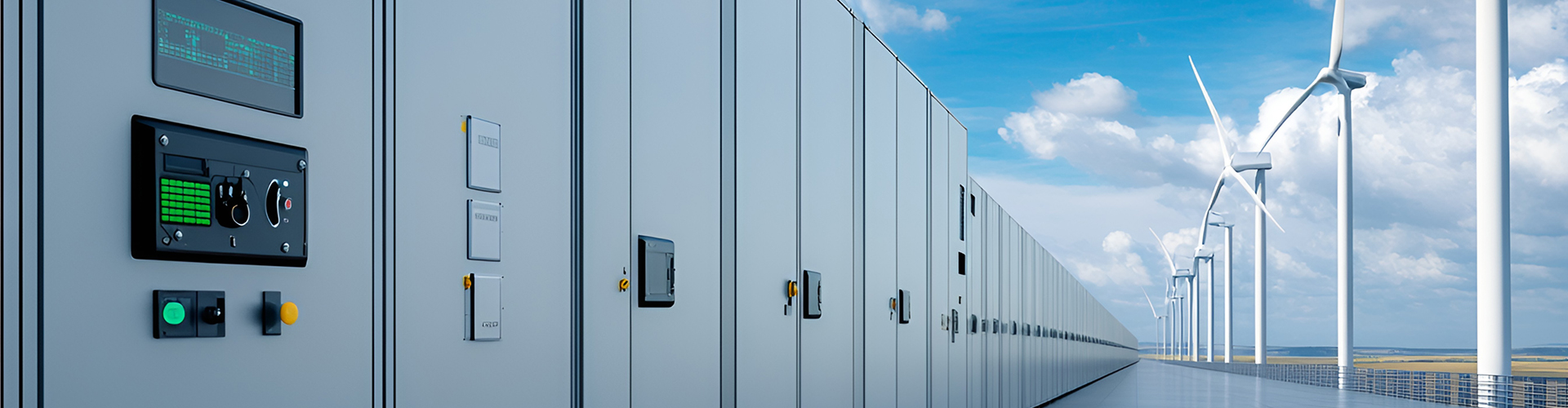
In modern industrial power grids, the unbalanced filtering circuit is the crucial defense mechanism against harmonic interference and ensuring the stable operation of the reactive power compensation system. Its core principle is to deliberately tune the capacitor circuit in series with an inductor to a non-resonant point lower than the main harmonic frequency of the power grid, thereby avoiding parallel resonance and safely absorbing part of the harmonic current. However, a key factor that is often overlooked is that the capacitance value of the capacitor is not a constant value; it will drift due to changes in the operating temperature of the capacitor. This subtle drift is sufficient to change the tuning point of the entire filtering circuit silently, laying a potential safety hazard for the subsequent reactive power compensation.
The Intrinsic Correlation between the Temperature Characteristics of Capacitors and the Tuning Point
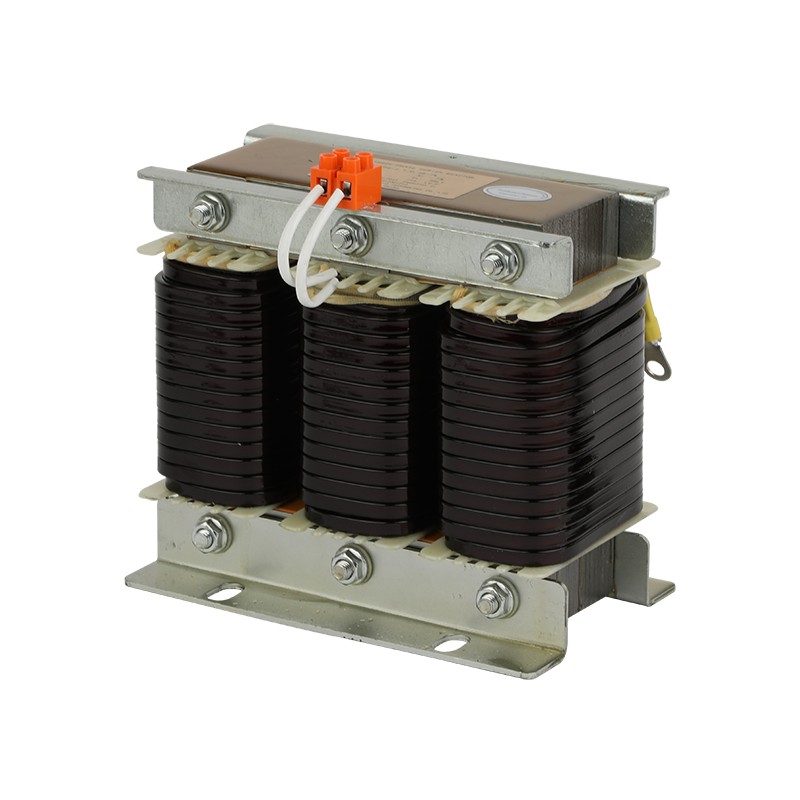
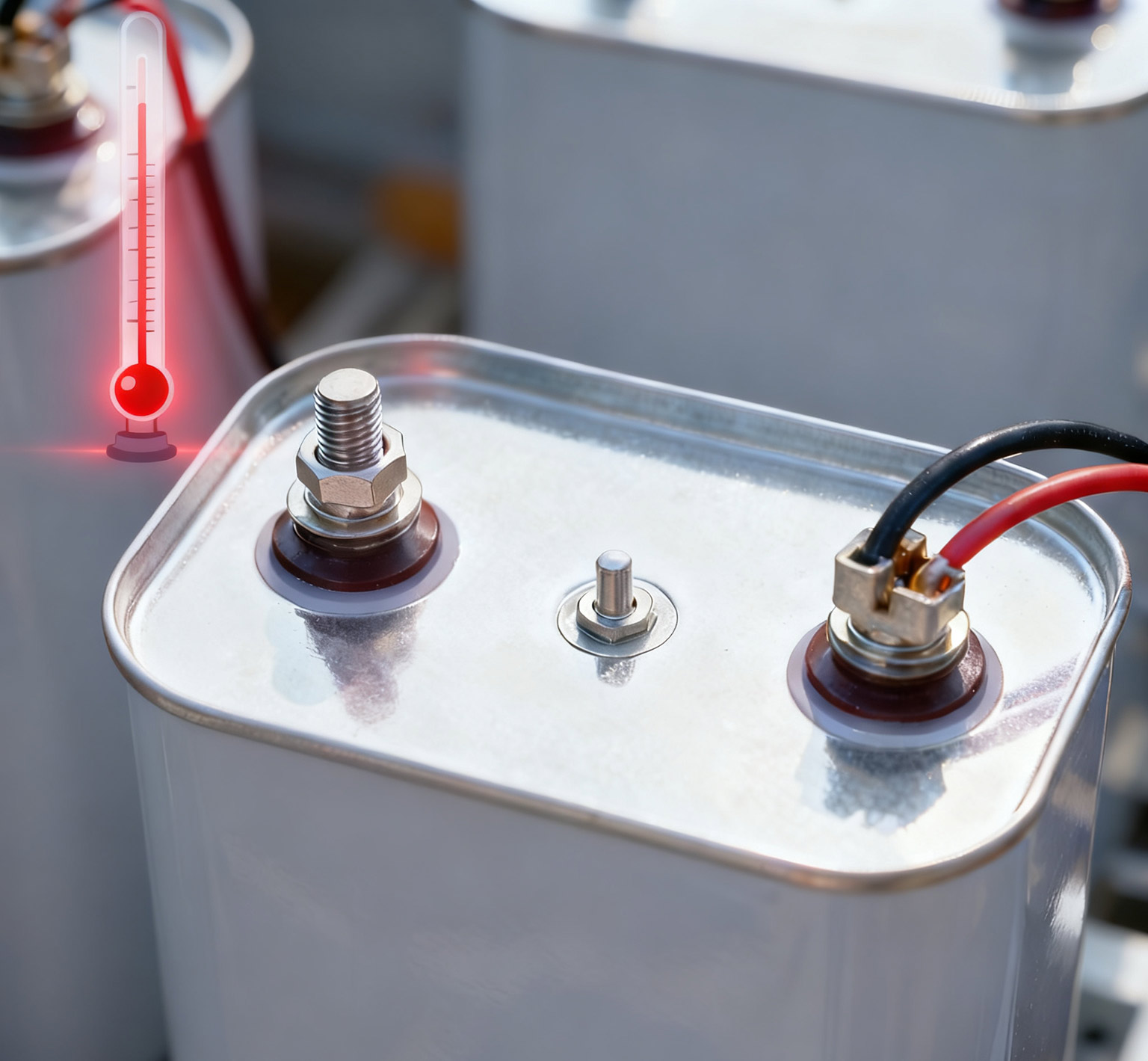
To understand the effect of operating temperature on the capacitance value of a capacitor, we first need to review the calculation formula for the tuning point, which is resonant frequency fr = 1 / (2π√(LC)). Here, L is the fixed inductance value of the inductor, and C is the capacitance value of the capacitor. This formula clearly shows that the resonant frequency is inversely proportional to the square root of the capacitance value. Any slight change in the capacitance value will directly lead to a change in the resonant frequency. The dielectric material of the capacitor, such as metallized polypropylene film, will undergo perceptible changes in its dielectric constant due to environmental temperature and its own working temperature rise. When the environmental temperature rises or the capacitor generates heat due to internal losses, the capacitance value of the capacitor usually shows a negative drift (a decrease in capacitance value). According to the formula, a decrease in the capacitance value will result in an increase in the resonant frequency, causing the tuning point of the entire out-of-tune filtering circuit to "drift" to a higher frequency.
The System Risks Brought by the Drift of Tuning Points
This seemingly insignificant drift in the tuning point can potentially trigger a series of chain reactions and pose potential risks in actual operation. The most serious situation is that, if the original design of the capacitor sets the tuning point at 189 Hz to avoid the 5th harmonic of 250 Hz, but due to the decrease in the capacitor's capacitance value caused by temperature rise, the tuning point may unexpectedly drift closer to 230 Hz or even higher. The drift of the tuning point significantly increases the impedance of the circuit near the 5th harmonic frequency, which not only weakens the filtering effect of the out-of-tune filter circuit, but more dangerously, greatly increases the risk of parallel resonance between this out-of-tune filter circuit and the grid background harmonics. Once resonance occurs, the harmonic current flowing through the capacitor and inductor will be sharply amplified, resulting in severe overcurrent and overvoltage, causing equipment overheating, protection devices to malfunction or damage, and exacerbating the distortion of the grid voltage waveform. Resonance cannot be ignored, as it may eventually force the entire reactive power compensation system to shut down, affecting the continuity of production.
Geyue Electric's Robust Solution for Temperature Drift
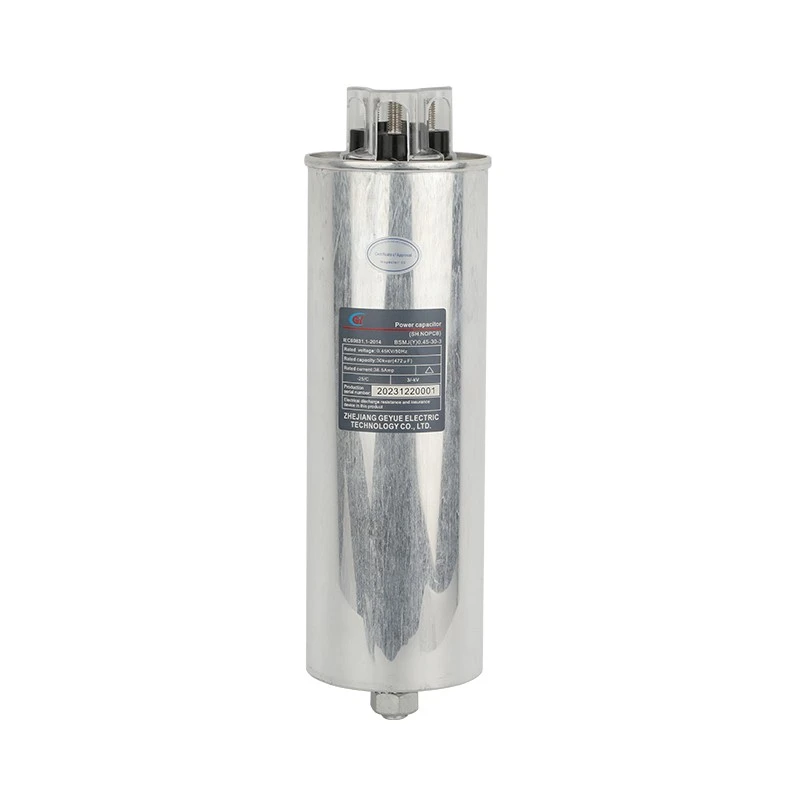
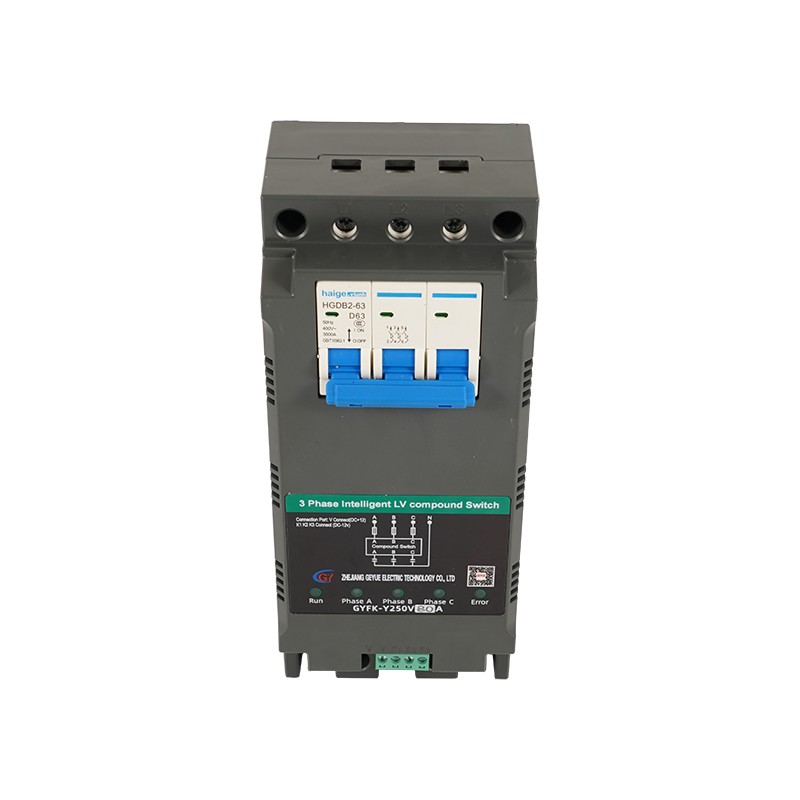
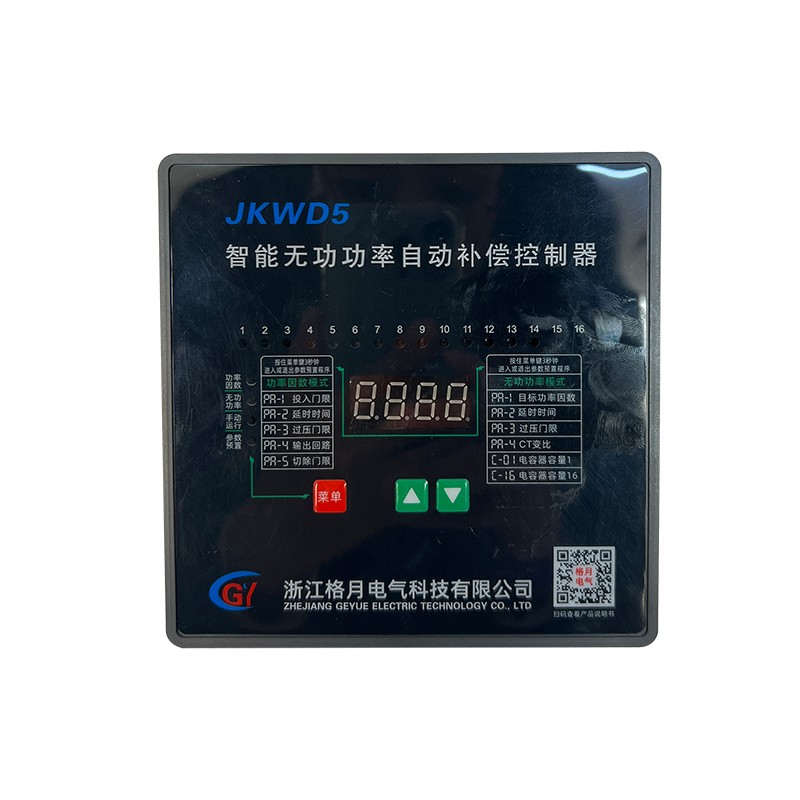
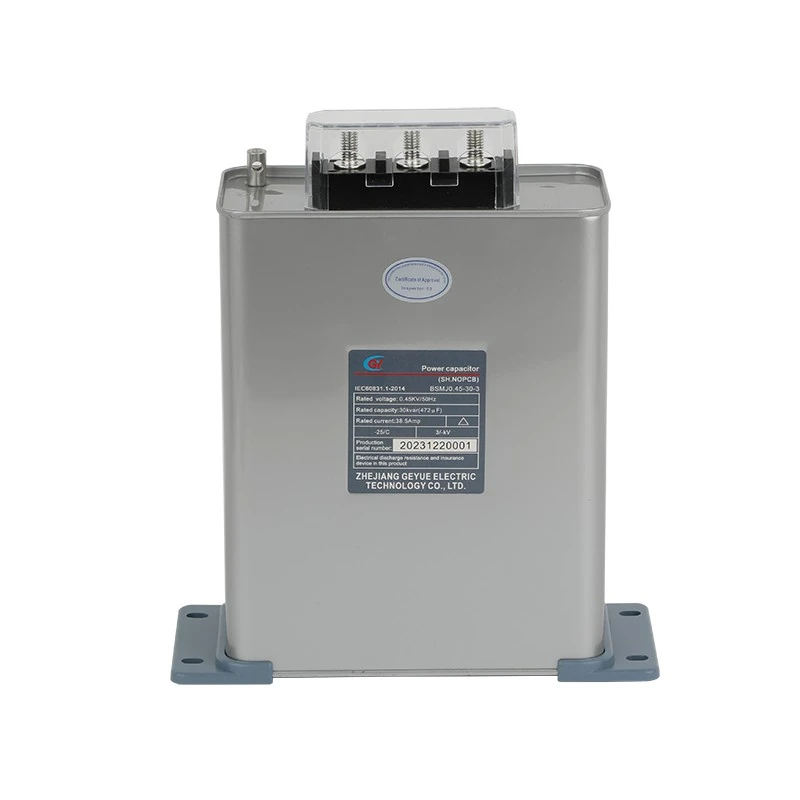
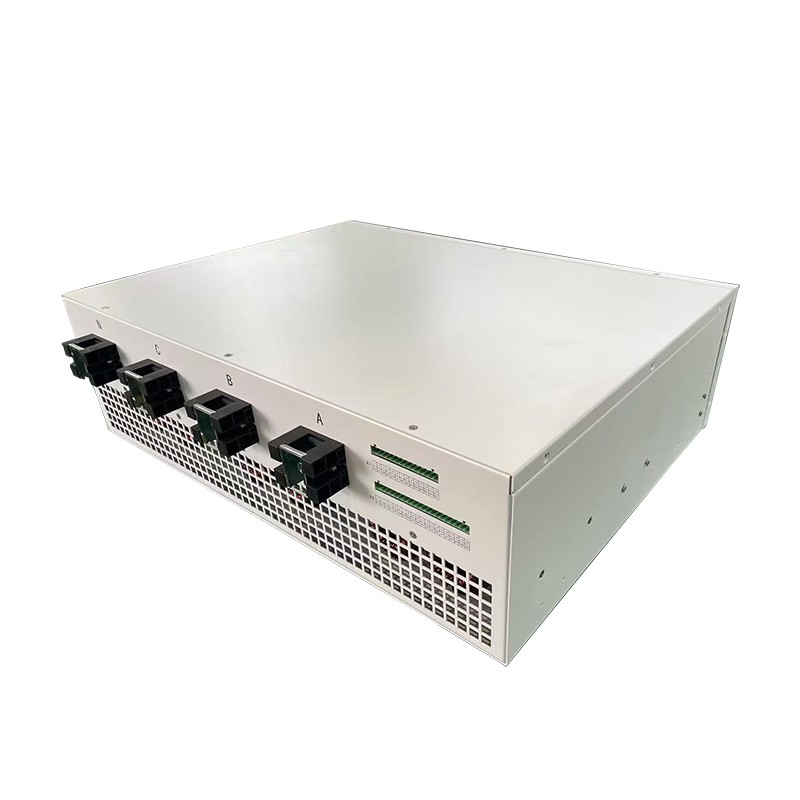
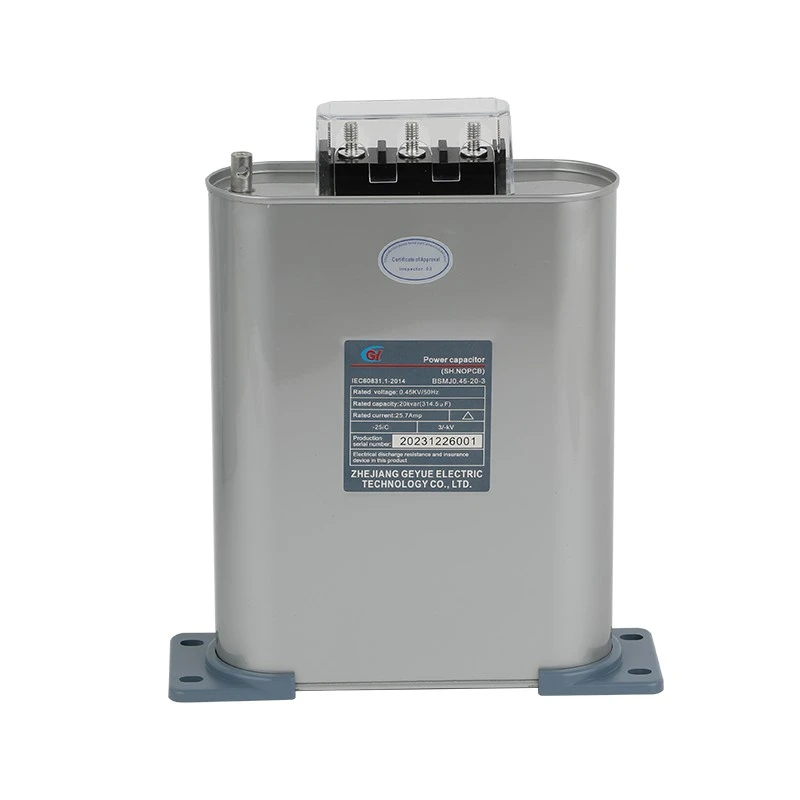
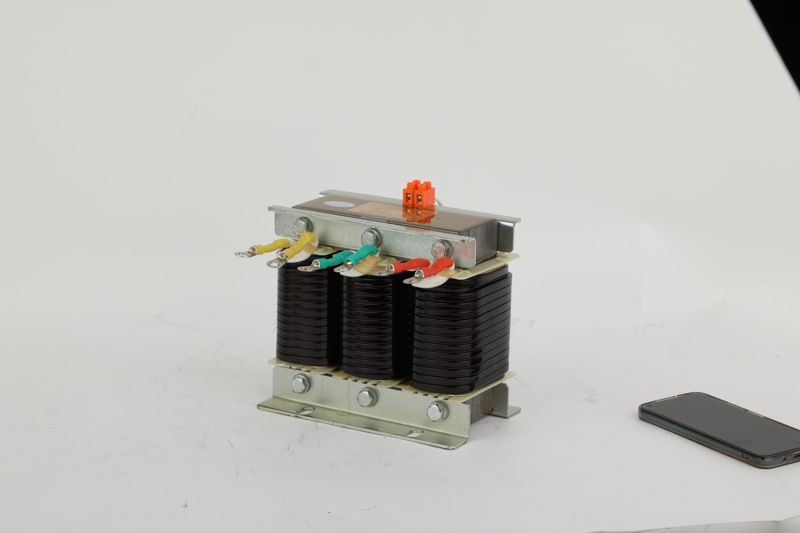
Geyue Electric has a profound understanding of the severe challenges that electrical components face in actual working conditions. Therefore, we regard the robustness in responding to environmental changes as one of the core principles in product design. Our low-voltage reactive power compensation solution places particular emphasis on resolving the risks brought about by temperature drift at the component level. The high-performance low-voltage BSMJ series and BSMJ(Y) series shunt capacitors we use feature advanced metallized film dielectrics with excellent temperature stability and meticulous manufacturing processes. The rate of change in capacitance value within the full operating temperature range is controlled at an extremely low level, minimizing the amplitude of the tuning point drift from the very source. At the same time, our out-of-phase filtering compensation module has its inductors precisely designed and matched, making a certain that the tuning frequency of the entire system can be stably locked within the safe range under the expected operating temperature rise. Choosing Geyue Electric reactive power compensation solutions means you are getting not just a set of equipment, but also a reliable guarantee that remains stable and reliable in the face of complex working conditions. We are committed to building a truly solid and reliable reactive power compensation and harmonic defense barrier for your power grid through solid device technologies and overall system design, ensuring the continuous and pure power supply for your production. If your project requires a robust reactive power compensation solution, please don’t hesitate to come to info@gyele.com.cn.
Related News
- What Is the Difference Between a Power Capacitor and an Intelligent Capacitor?
- Are Self-Healing Shunt Capacitors Suitable for Industrial Applications?
- Why Does a Factory Need an Automatic Power Factor Controller?
- Can a Power Capacitor Reduce Electricity Losses in a Factory?
- What Should Engineers Check Before Choosing a Low Voltage Power Capacitor?
- Why Are Self-Healing Shunt Capacitors Widely Used in Low-Voltage Power Systems?
Leave me a message