Self-Healing Shunt Capacitors: Advancing Grid Reliability with Next-Generation Dielectric Resilience
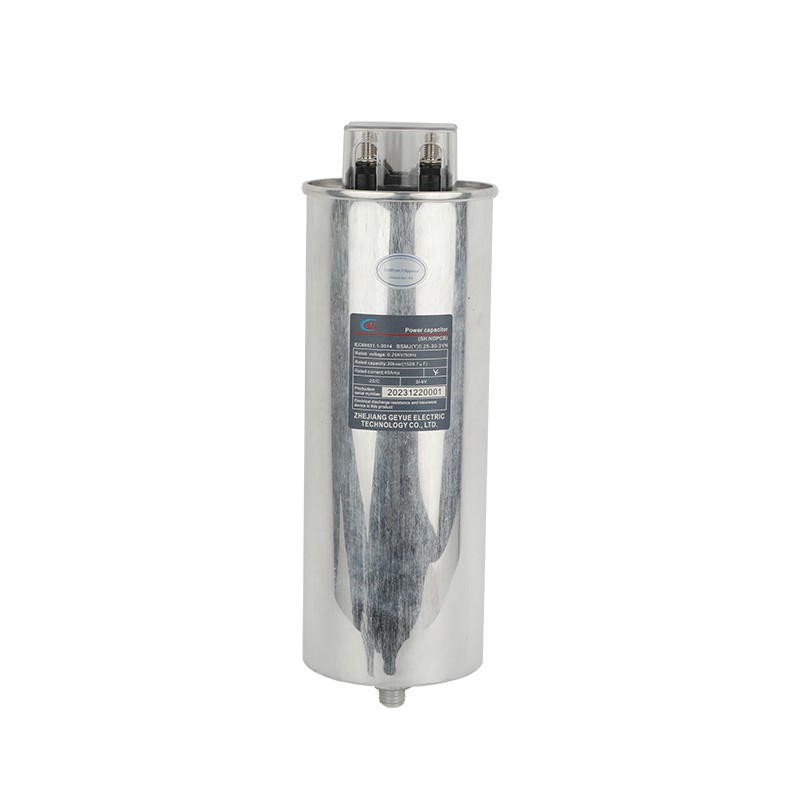
With the surging demand for industrial automation and the integration of renewable energy sources into the grid, power system stability faces unprecedented challenges. Among the solutions designed to improve power factor and mitigate harmonics, the Self-Healing Shunt Capacitor has emerged as an indispensable cornerstone of the modern power grid, thanks to its unique fault-tolerance mechanism.
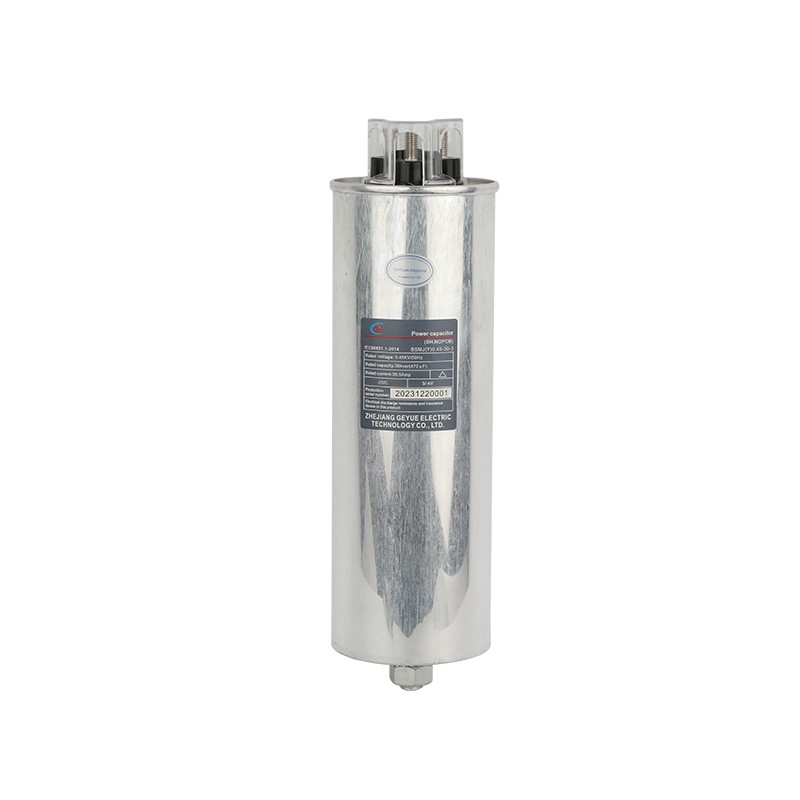
Core Technology: The Physical Logic Behind the Self-Healing Mechanism
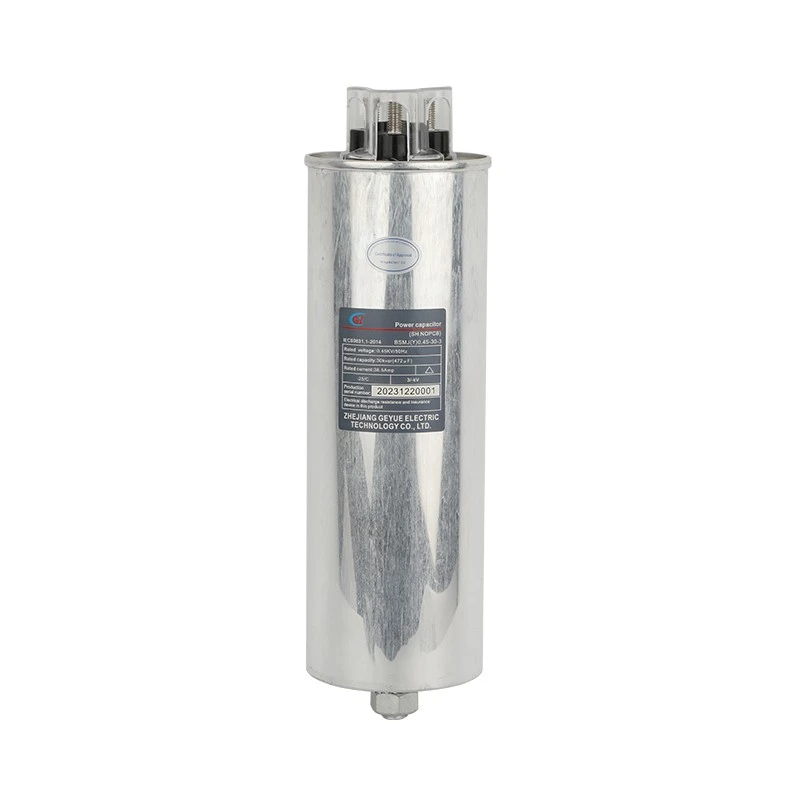
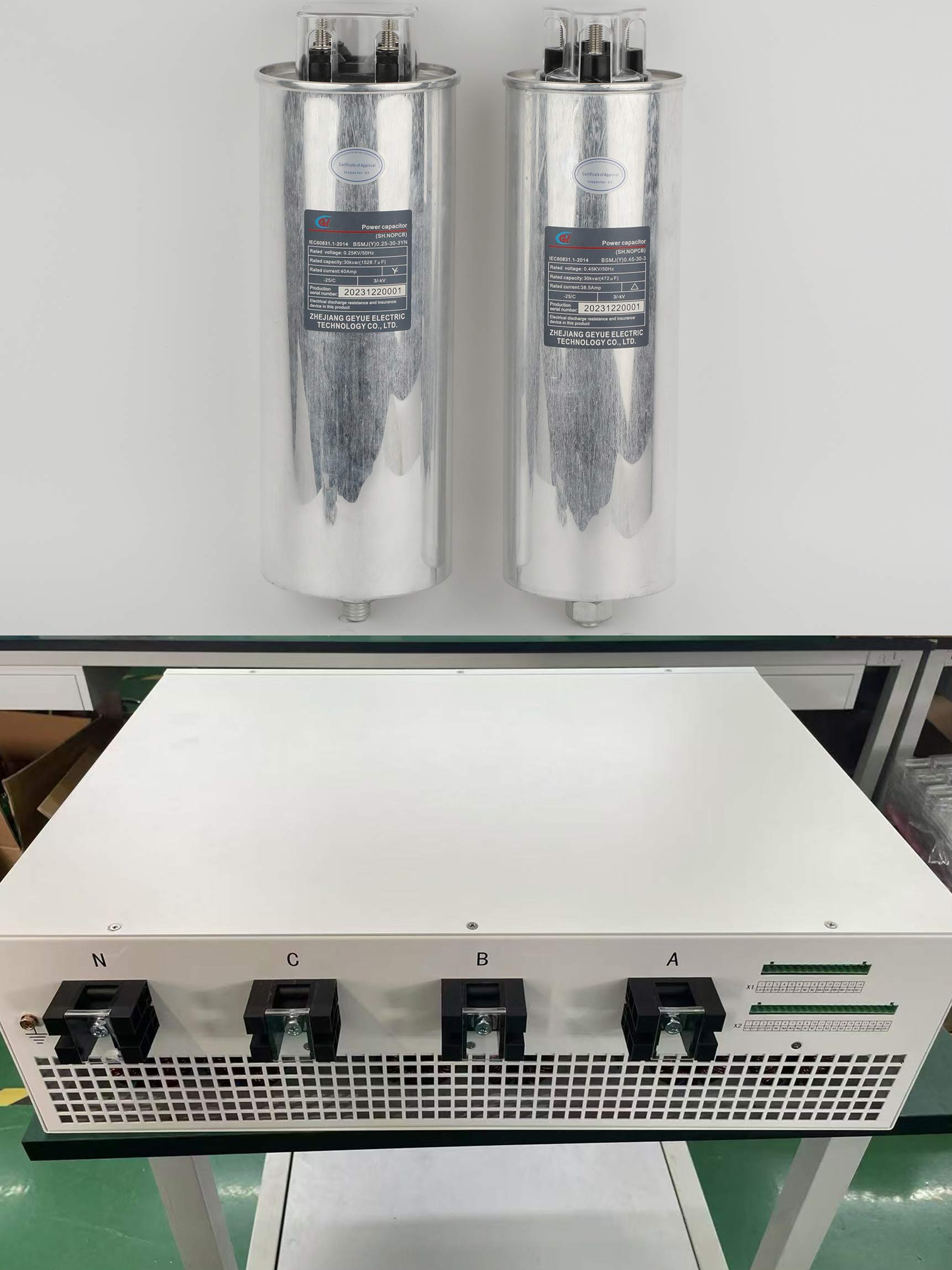
Traditional capacitors, when subjected to overvoltage breakdown, often suffer permanent short-circuit damage. Self-healing capacitors, however, utilize an ultra-thin metallized polypropylene film.
When a localized dielectric breakdown occurs, the metallized coating surrounding the breakdown point instantly vaporizes under the heat of the resulting electric arc, creating a minuscule insulating void. This process completes within microseconds, allowing the capacitor to restore its insulating properties without requiring a system shutdown. This "point-for-area" logic—sacrificing a tiny point to preserve the integrity of the larger surface area—significantly extends the equipment's service life, even in harsh electrical environments.
Why Is It the "Shock Absorber" of the Modern Grid?
Passive Reactive Power Compensation:
By actively offsetting the reactive power generated by inductive loads in real-time, self-healing shunt capacitors significantly reduce line losses and enhance the effective load-carrying capacity of transformers.
Safety and Explosion-Proof Design:
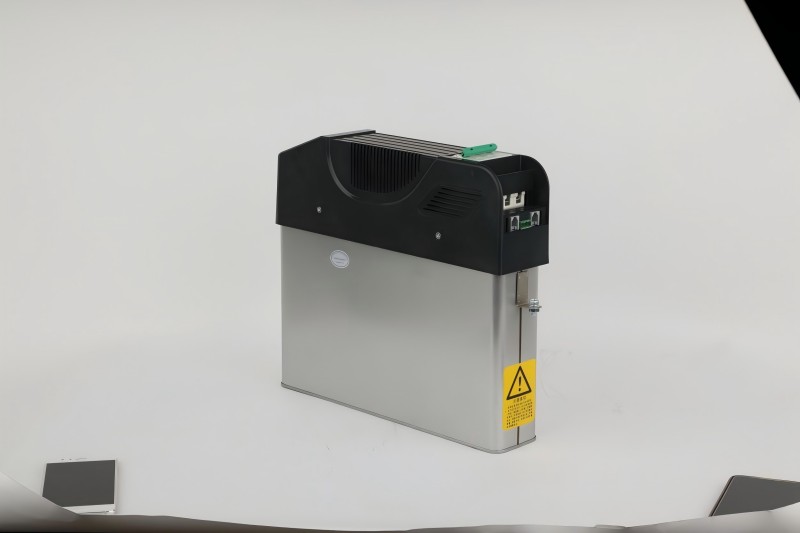
Modern self-healing units are typically equipped with an Overpressure Disconnector. Should internal pressure rise—whether due to the capacitor reaching the end of its service life or experiencing extreme overload conditions—this device automatically disconnects the power supply, thereby preventing the casing from rupturing.
Environmental Adaptability:
Newer "dry-type" designs have replaced traditional oil-immersed structures; this innovation not only eliminates the risk of oil leakage but also ensures compliance with today's stringent carbon footprint and environmental protection standards.
Industry Applications and Selection Recommendations
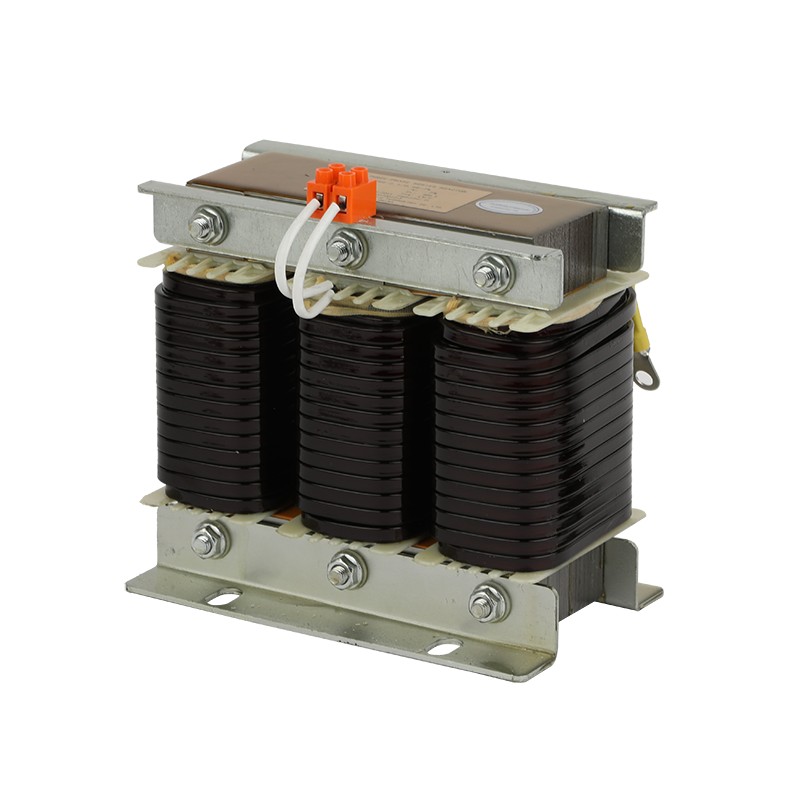
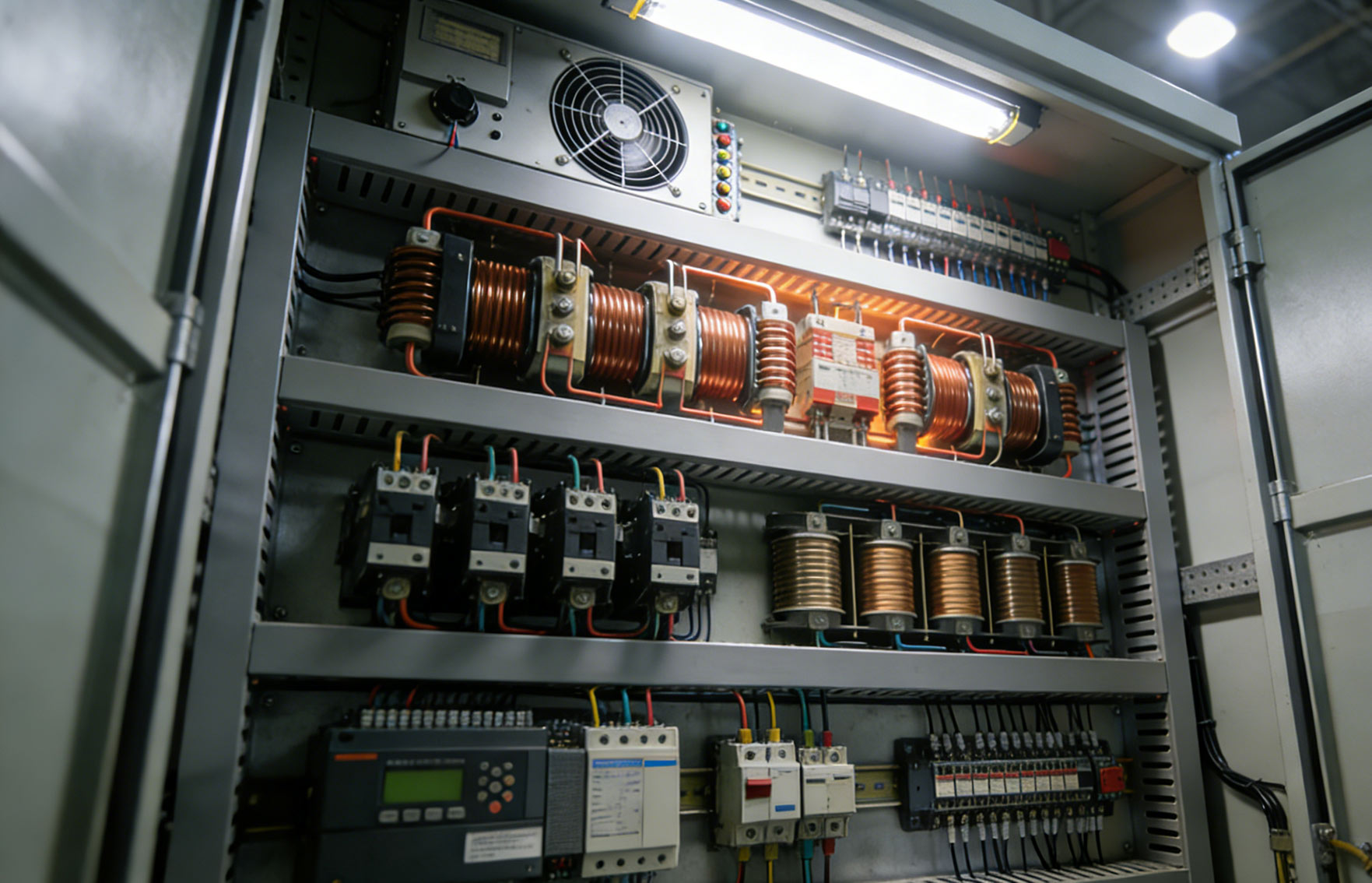
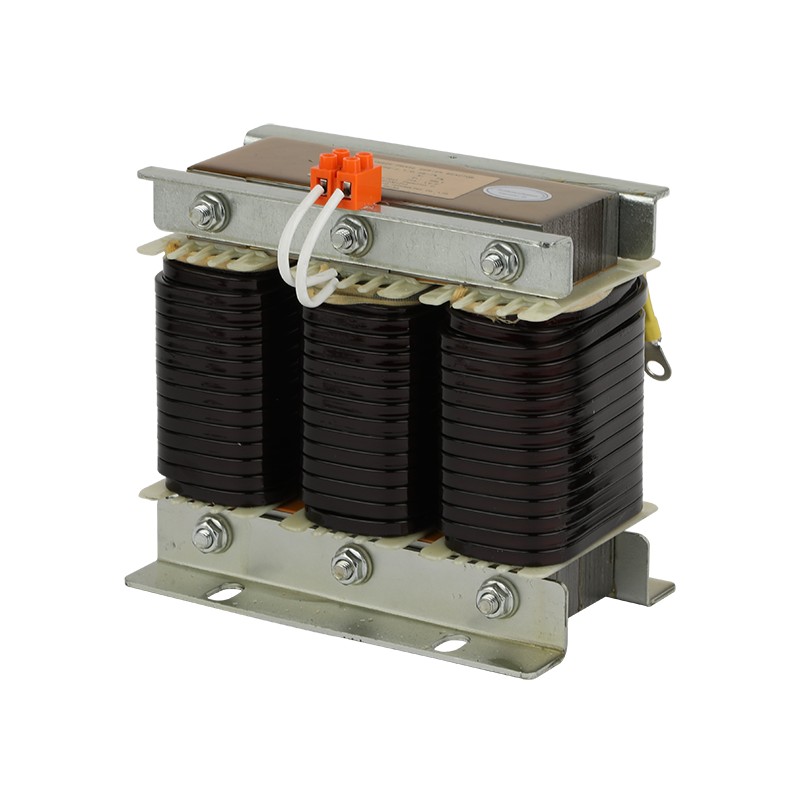
When optimizing power grid quality, selecting self-healing capacitors with high inrush current withstand capabilities is of paramount importance. Particularly in scenarios involving a significant number of nonlinear loads (such as variable frequency drives and large-scale LED lighting systems), it is recommended to utilize series reactors in conjunction with the capacitors. This practice serves to suppress harmonic amplification and protect the self-healing film from premature aging caused by high-frequency currents.
Conclusion: Transitioning Toward a Smarter Energy Architecture
The Self-Healing Shunt Capacitor is more than just a passive component; it serves as the first line of defense in safeguarding power infrastructure assets. By reducing maintenance frequency and minimizing unexpected downtime, enterprises can realize substantial operational efficiencies while providing robust foundational support for the construction of the Global Energy Interconnection.
Related News
- Why Does a Factory Need an Automatic Power Factor Controller?
- Can a Power Capacitor Reduce Electricity Losses in a Factory?
- What Should Engineers Check Before Choosing a Low Voltage Power Capacitor?
- Why Are Self-Healing Shunt Capacitors Widely Used in Low-Voltage Power Systems?
- What Makes a Good AC Contactor Supplier?
- Why do your plant's shunt capacitors fail prematurely? Can they self-heal?
Leave me a message