Can Your Facility Still Afford to Ignore Automatic Power Factor Controllers in 2026?
CHICAGO, IL — When electrical bills climb 8% to 15% year after year, most facility managers assume the problem is rising utility rates. But according to a growing body of industry data, the real culprit often sits unnoticed inside the electrical room: reactive power loss.
Automatic Power Factor Controllers (APFCs) have quietly moved from a niche technical component to a mainstream energy management necessity. Yet many commercial and industrial facilities still operate without them—and the cost of that oversight is mounting.
The Hidden Charge on Every Electrical Bill
Power factor measures how efficiently a facility uses the electricity it draws from the grid. A power factor of 1.0 means every amp is doing useful work. A power factor of 0.7 means nearly a third of the electricity pulled from the grid is wasted as heat and magnetic loss.
Utility companies don’t absorb that waste. They penalize it. Many commercial power contracts include power factor penalties that can add thousands of dollars to monthly bills for facilities operating below 0.9. These penalties are not optional surcharges; they are line items that appear on invoices whether the facility manager knows what they mean or not.
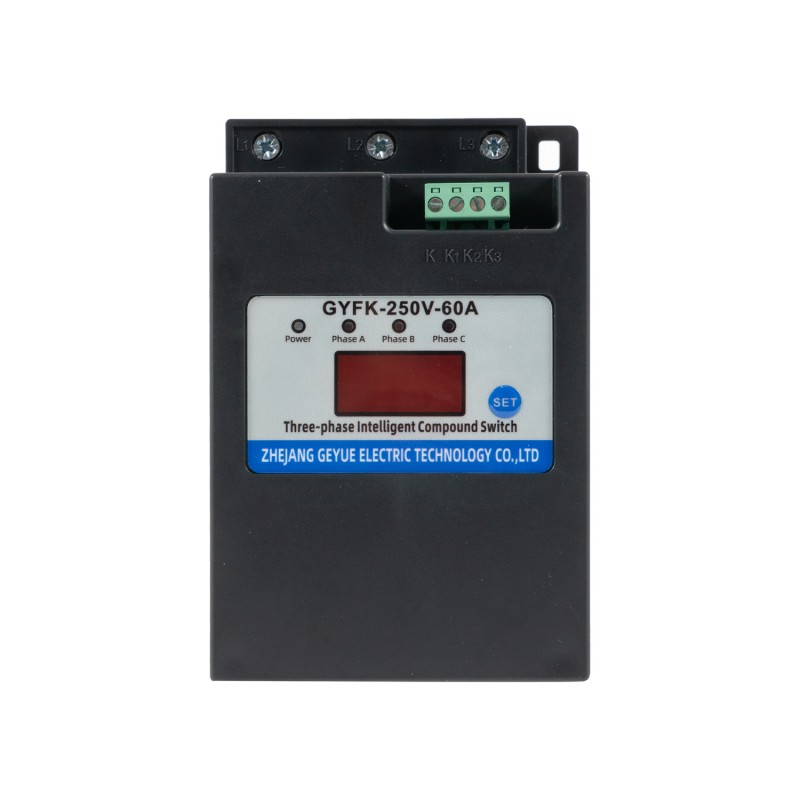
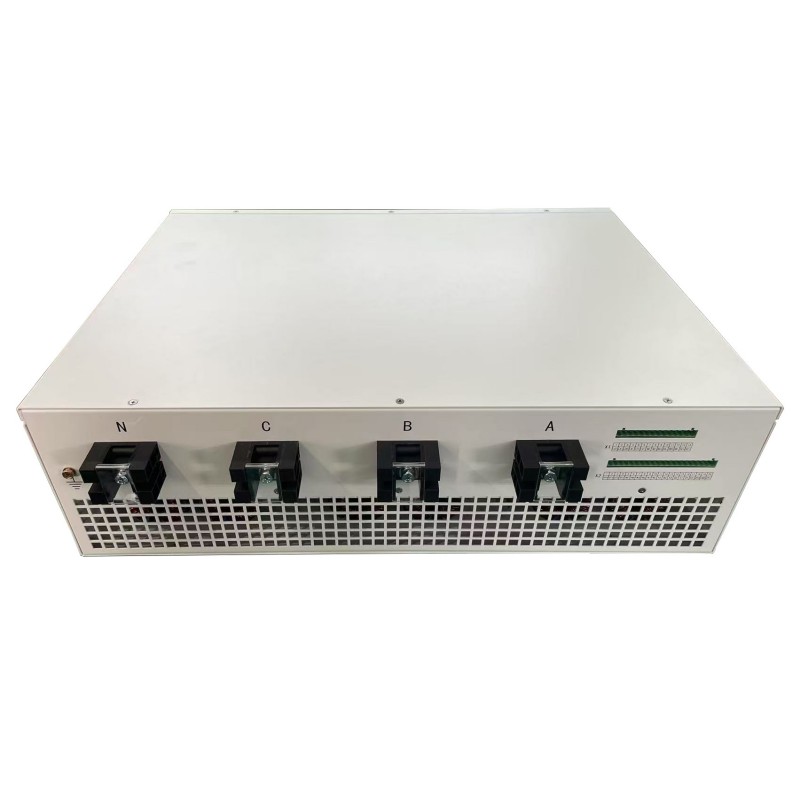
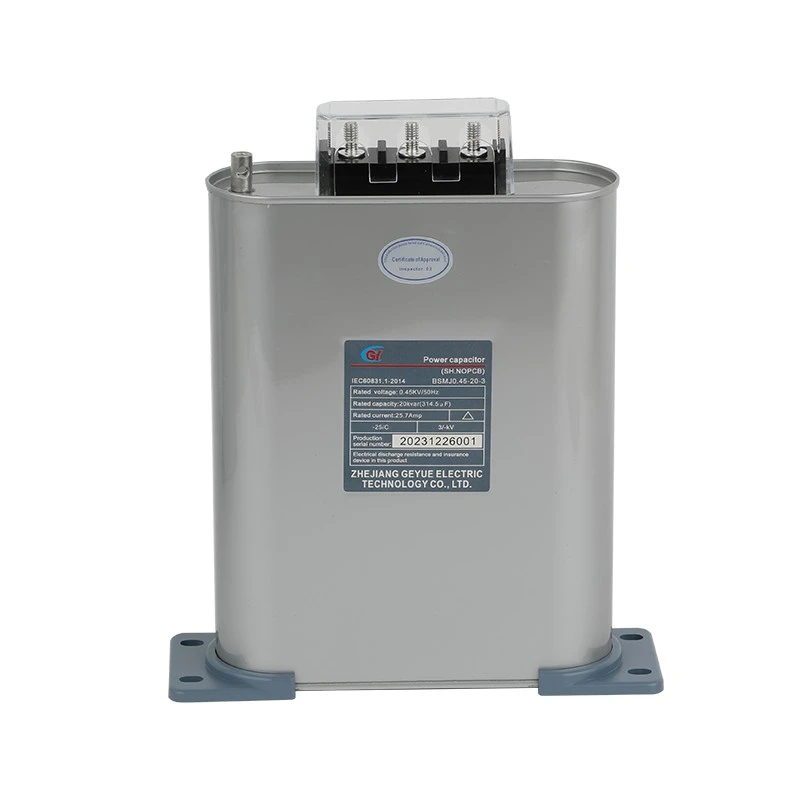
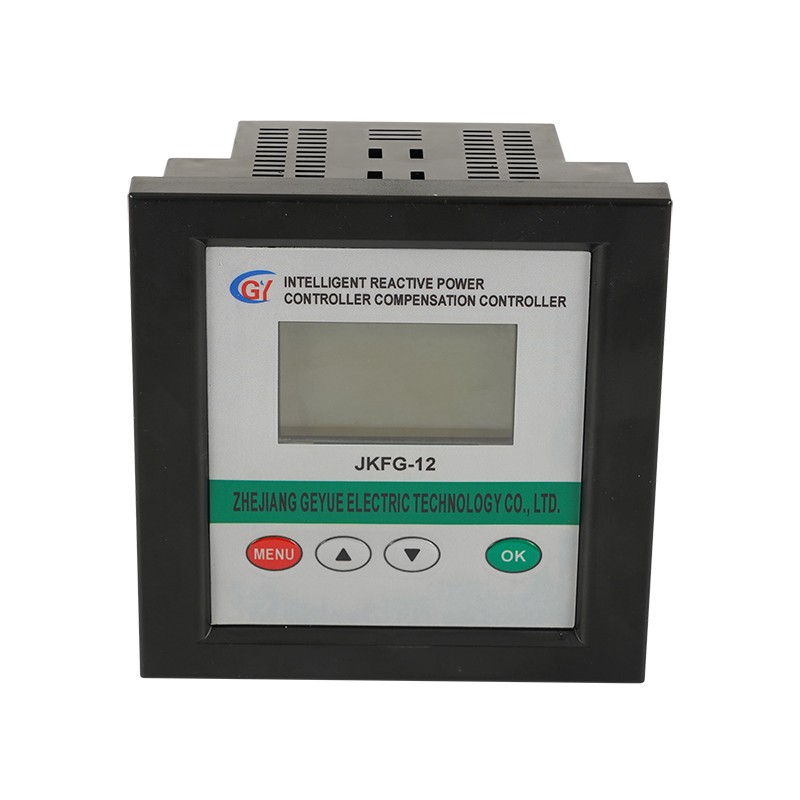
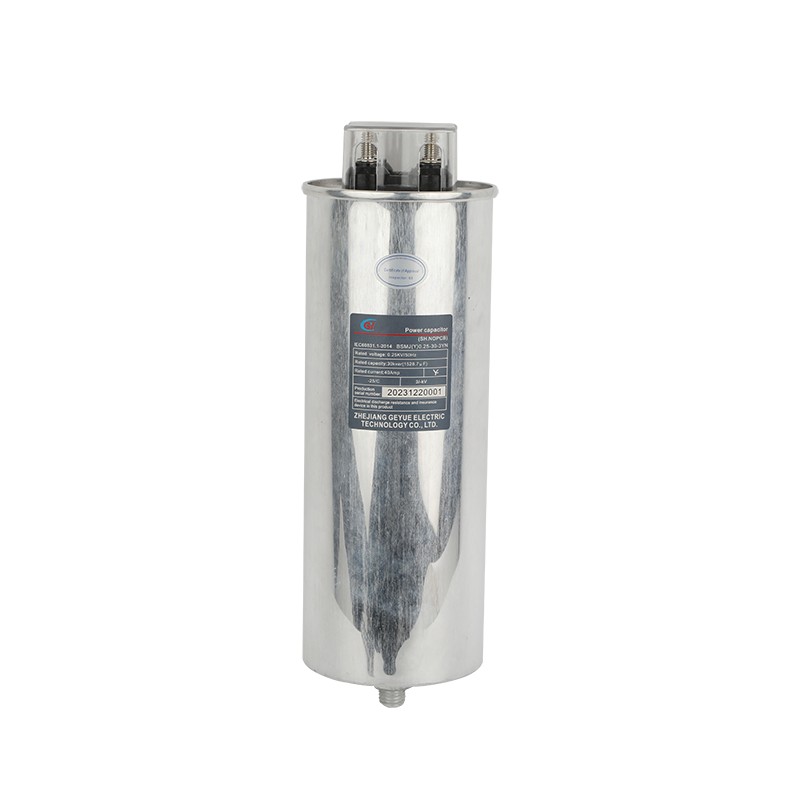
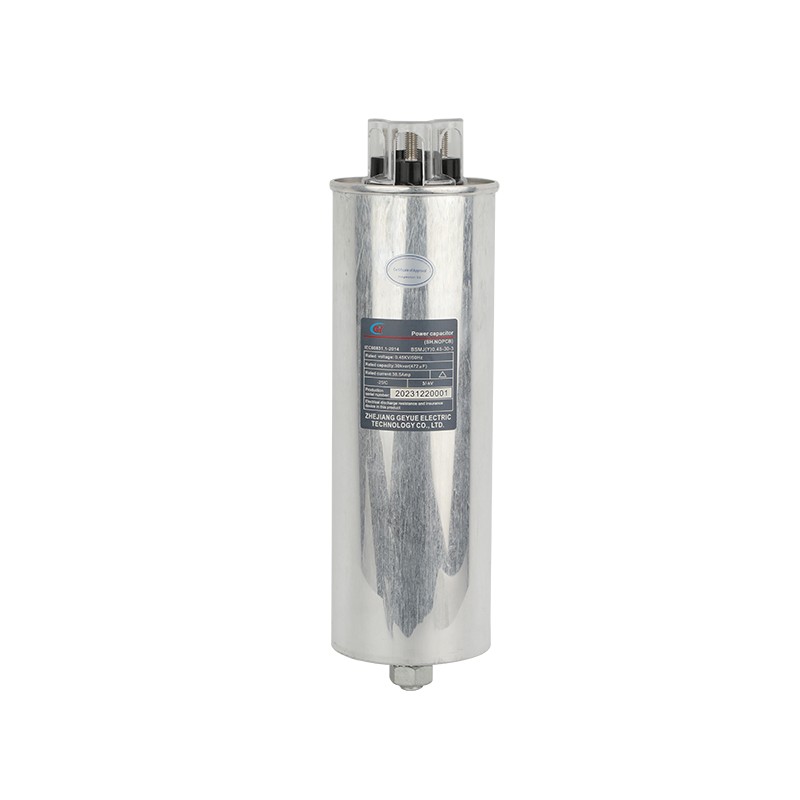
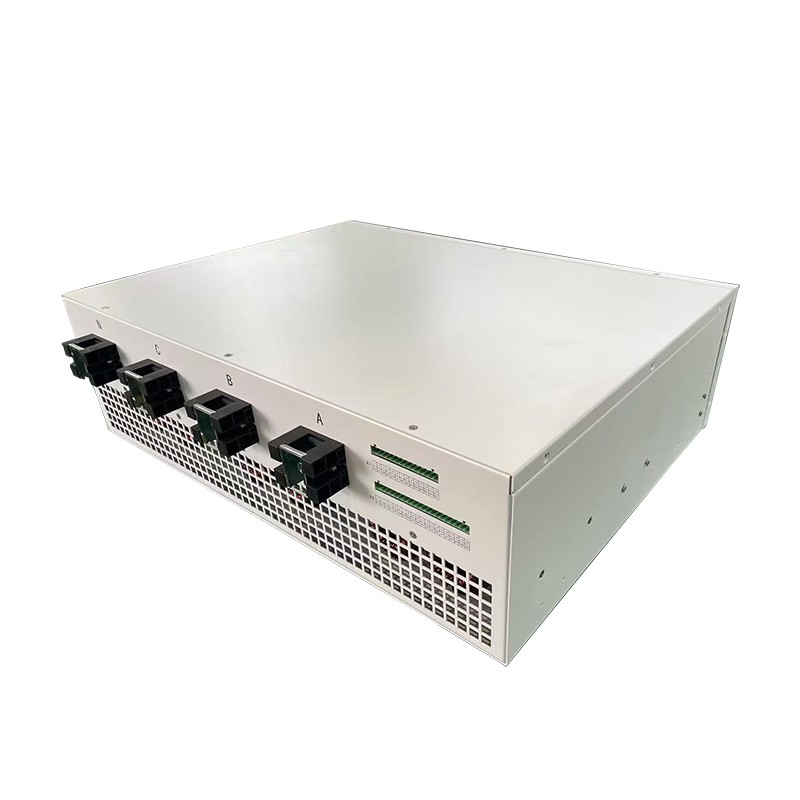
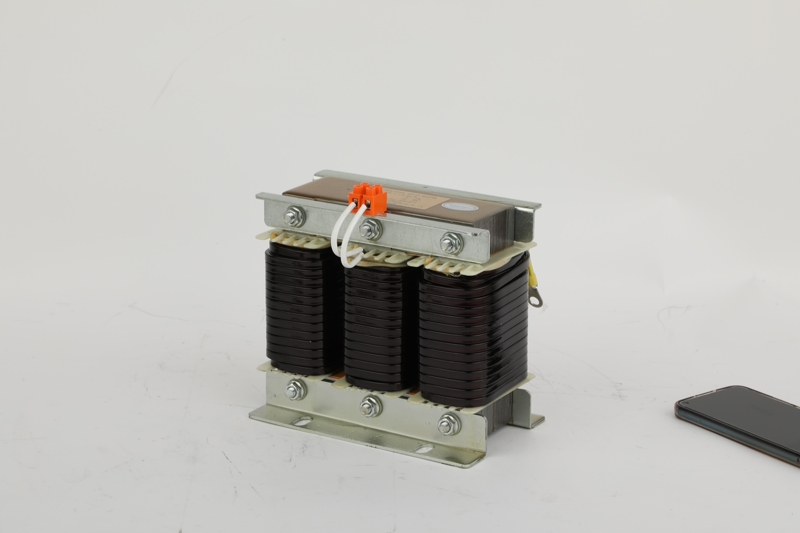
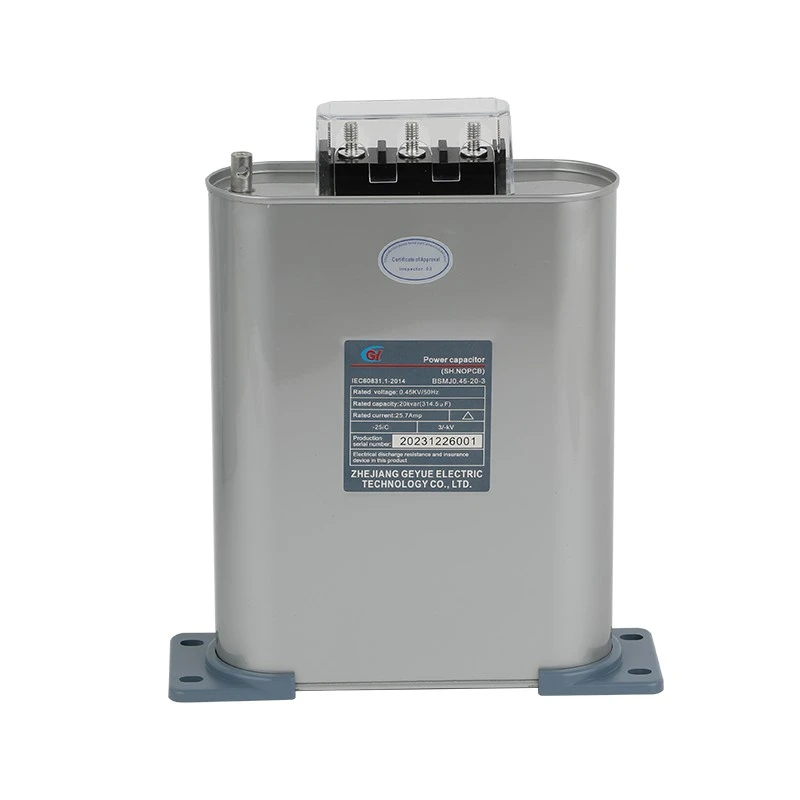
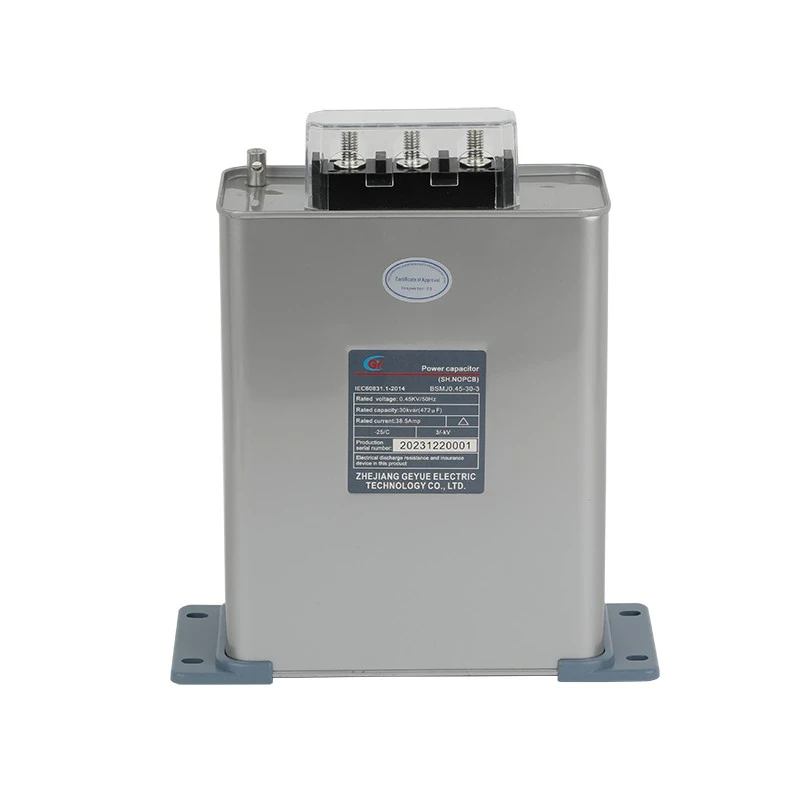
An Automatic Power Factor Controller continuously monitors incoming electrical load and automatically switches capacitor banks on and off to keep the power factor as close to 1.0 as possible. The device does the job that a human technician would have to perform manually dozens of times per day, responding to fluctuating loads from motors, compressors, lighting, and other equipment.
The global market for Automatic Power Factor Controllers was valued at approximately US
4.63billionin2025andisexpectedtoreachUS7.24 billion by 2032, growing at a CAGR of 6.58%. Other industry analyses project the market to reach as high as US$9.73 billion by 2034.
That growth is not happening by accident. Government regulations around energy efficiency have tightened worldwide, and industries are under increasing pressure to reduce operational costs while maintaining power quality. According to a 2025 study published in Smart Energy journal, upgrading power factor from 0.85 to unity can reduce annual electrical losses by 1.388% in a typical facility with 5% system loss, delivering a payback period of roughly three years.
For large-scale industrial operations, the savings multiply quickly. Independent field studies have documented total electric bill reductions of 8% to 15% following APFC installation, with ROI typically falling between 15 months and two years.
Who Makes Them
Leading global manufacturers in the Automatic Power Factor Controller space include ABB, Schneider Electric, General Electric, Eaton Corporation, Siemens, and Emerson Electric Co.. These companies have driven significant innovation in the product category over the past five years, integrating microcontrollers, digital signal processors, and IoT connectivity into devices that previously relied on simple mechanical relays.
Modern APFC units now offer real-time monitoring dashboards, remote access via cloud platforms, and predictive maintenance alerts. Some models use machine learning algorithms to anticipate load changes and correct power factor proactively, rather than reactively. The technology has effectively moved from a passive correction device to an active power management tool that integrates with building automation systems.
Who Needs It
No single industry dominates APFC adoption, but the heaviest users fall into several categories. Manufacturing plants with large induction motors benefit significantly because motors generate reactive power when starting and running. Commercial buildings with HVAC systems, elevators, and lighting loads see lower but still meaningful savings. Data centers—which operate 24/7 at high electrical density—have become a rapidly growing segment of the market as their power demands have exploded.
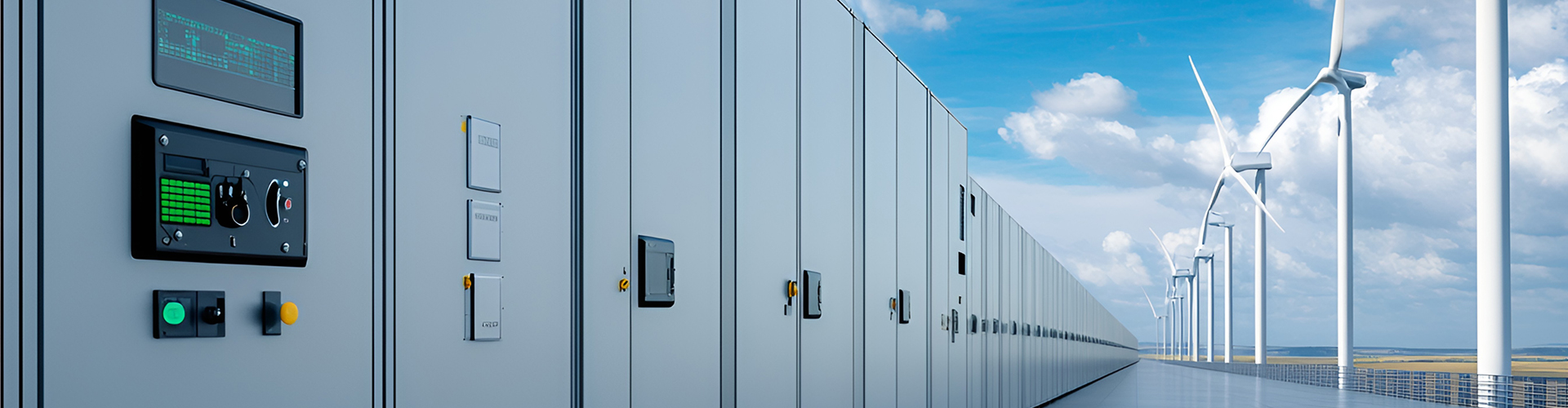
Utilities themselves have also begun deploying APFC technology at substation and feeder level to manage grid stability, particularly as intermittent renewable sources like solar and wind introduce new power quality challenges.
Installation and Setup
For facility managers evaluating APFC products, the installation process follows a predictable pattern. A qualified electrician installs current transformers on the main incoming power lines, connects the APFC controller, and wires in the capacitor bank steps. The controller then runs an auto-tuning sequence to learn the facility’s load profile and set switching thresholds.
Most modern controllers include a backlit LCD display showing real-time power factor, voltage, current, and reactive power (KVAR). Setup parameters—including target power factor, switching delay, and ala
Related News
- Are Self-Healing Shunt Capacitors Suitable for Industrial Applications?
- Why Does a Factory Need an Automatic Power Factor Controller?
- Can a Power Capacitor Reduce Electricity Losses in a Factory?
- What Should Engineers Check Before Choosing a Low Voltage Power Capacitor?
- Why Are Self-Healing Shunt Capacitors Widely Used in Low-Voltage Power Systems?
- What Makes a Good AC Contactor Supplier?
Leave me a message