How do Self-healing Shunt Capacitors Eliminate Wasted Electricity and Early Failures in Low-voltage Power Systems?
Stop Paying for "Wasted Electricity": Unveiling the Invisible "Perpetual Motion Machine" Within Low-Voltage Power Distribution Systems
Have you ever encountered a situation like this? Inside your factory's power distribution cabinets, rows of capacitors—installed less than two years ago—begin to "bulk up" (bulge at the casing) or even "go on strike" by tripping the circuit breakers. Maintenance crews scramble back and forth, yet the figures on your electricity bill remain stubbornly high, and those power factor penalty notices continue to arrive right on schedule.
At this point, a veteran technician might tell you: "The capacitors have aged; it's time to replace the whole batch."
But have you ever stopped to wonder why these capacitors "die" so quickly? Why do some pieces of equipment last five years, while yours barely make it a year and a half? Today, we won't be discussing dry, technical data sheets. Instead, as an engineer with years of hands-on experience in the field of reactive power compensation, I want to talk to you about the "microscopic war" raging inside your capacitors—a conflict that directly impacts your electricity bill—and introduce you to a solution often described as a "perpetual motion machine": the self-healing shunt capacitor.
I. What Exactly Did Your "Short-Lived" Capacitors Go Through?
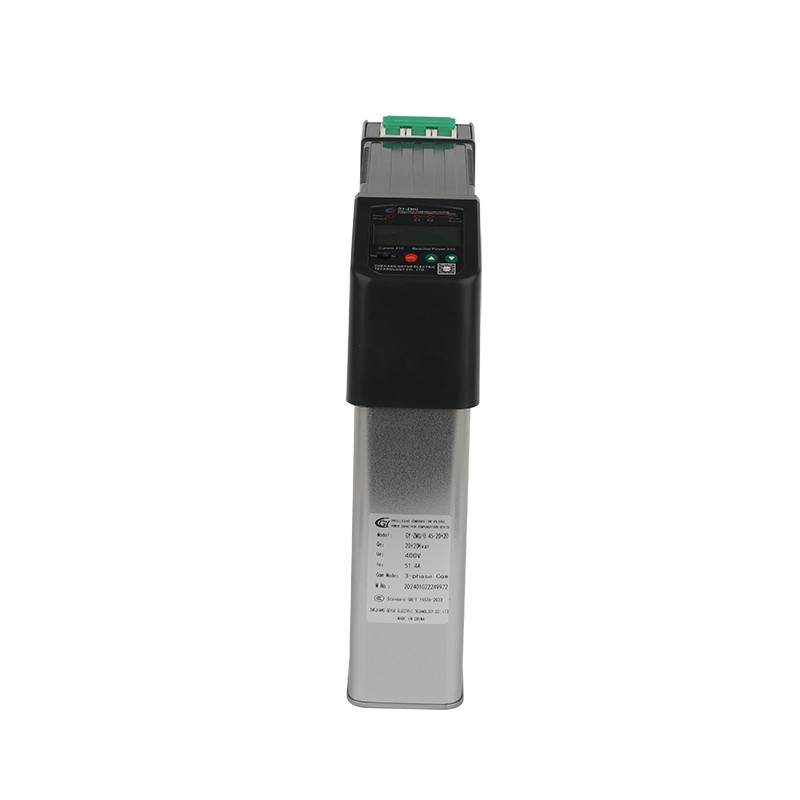
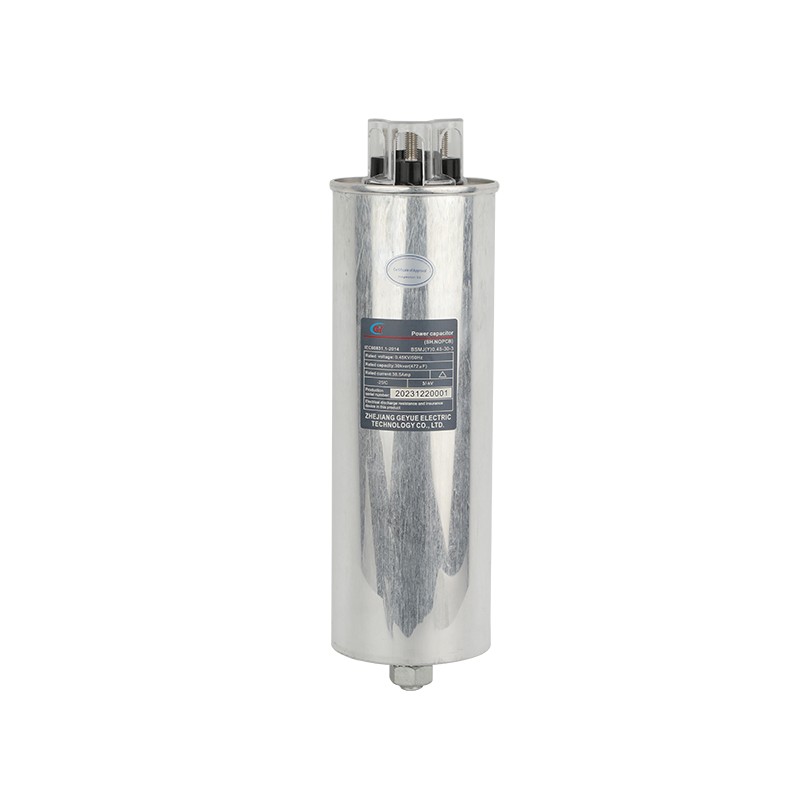
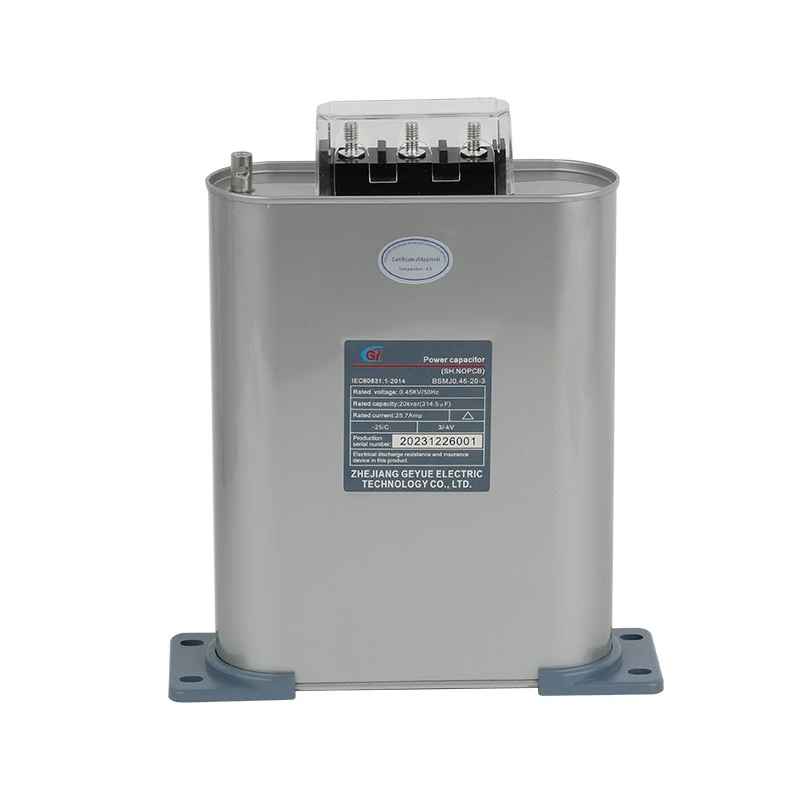
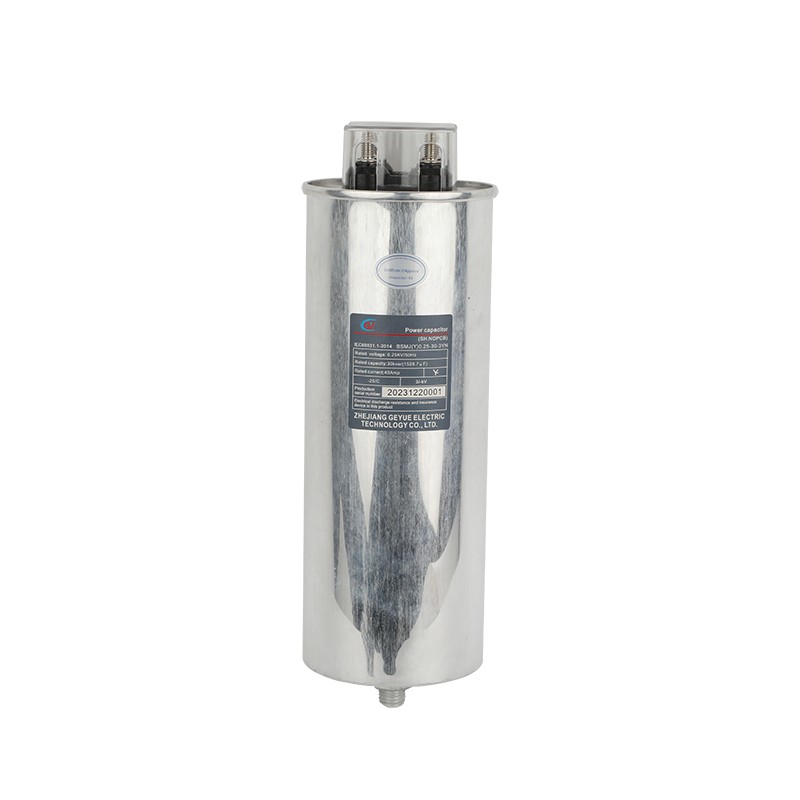
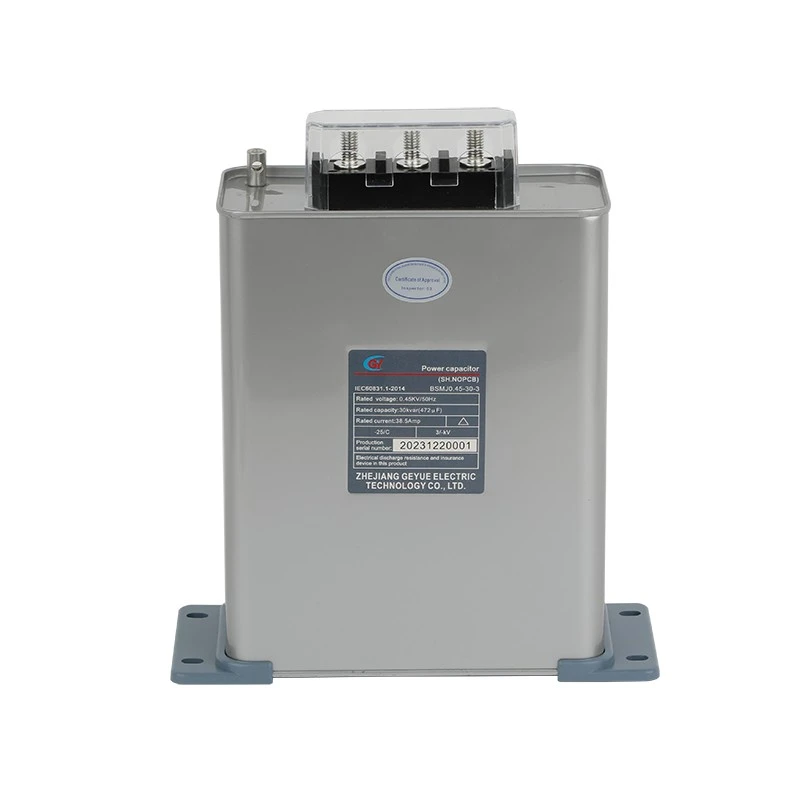
In a low-voltage power distribution system, the primary mission of shunt capacitors is to "pull back" that "slacking" reactive power, thereby improving the power factor. The internal structure of a traditional capacitor resembles a layered "sandwich": two layers of metal foil electrodes separated by a layer of insulating dielectric material (typically a polypropylene film).
The greatest hidden risk in this structure is this: if there is even a microscopic defect somewhere within the dielectric material—something that industrial manufacturing processes can never 100% eliminate—that specific spot will suffer a dielectric breakdown under the stress of voltage fluctuations. A single breakdown results in a permanent short circuit; the entire capacitor is effectively "punctured" and instantly rendered useless.
According to industry data, global production of self-healing low-voltage shunt capacitors reached 4.58 million units in 2024; however, a high early-stage failure rate has long remained a persistent pain point for the industry. Many users find that their capacitors "die in action" before the equipment has even had a chance to pay for itself through cost savings.
II. A Microsecond-Scale "Self-Surgery": How Does Self-Healing Work?
This brings us to the star of today's discussion: the self-healing shunt capacitor. Its core secret lies in the metallized polypropylene film.
This film is no longer a standalone metal foil; instead, an extremely thin layer of zinc-aluminum alloy is directly vapor-deposited onto the surface of the polypropylene film to serve as the electrode. What happens when a weak point within the film suffers a dielectric breakdown?
The process is fascinating:
At the instant of breakdown—within a mere few microseconds (millionths of a second)—the breakdown point generates intense localized heat reaching temperatures of up to several thousand degrees. At this moment, the ultra-thin metal coating surrounding the breakdown point instantly "evaporates" or is "blown away," creating a small insulating zone just a few millimeters in diameter. The electric arc is extinguished, insulation is restored, and the remaining 99.99% of the capacitor remains completely intact and continues to function normally.
III. More Than Just "Indestructible"—A "Finely Calculated" Investment
Many procurement professionals might ask: "Doesn't 'self-healing' simply mean a longer lifespan? How much money can a longer lifespan actually save?"
Let's do the engineering math:
Installation Benefits from Reduced Size and Weight: New self-healing capacitors utilizing zinc-aluminum composite metallized film technology are only one-quarter to one-sixth the size and weight of older capacitor models. This means that within the same cabinet enclosure, you can achieve a higher compensation capacity—or directly save on the expensive costs typically associated with retrofitting or upgrading complete cabinet systems.
Negligible Power Loss: Traditional capacitors suffer from significant internal power loss and generate substantial heat. In contrast, modern self-healing capacitors typically have a dielectric loss tangent (tanδ) of less than 0.15%. What does this imply? For a 50 kVAR capacitor, this means virtually no internal heat generation; every single kilowatt-hour of electricity that would otherwise be wasted as heat within the equipment is instead converted into tangible financial savings for you.
A Truly "Maintenance-Free" Safety Experience: Self-healing capacitors typically feature a built-in overpressure protection and explosion-proof mechanism. Should internal faults accumulate to a critical level and cause excessive internal pressure, the capacitor casing will expand; this expansion instantly severs an internal copper fuse link, thereby physically disconnecting the power supply. This mechanism not only protects the capacitor itself but also safeguards the entire power distribution cabinet, completely eliminating the risks—such as oil leakage or even explosion—that are commonly associated with traditional oil-immersed capacitors. IV. Data Doesn't Lie: Why Are Global Markets Shifting Toward Self-Healing Technology?
According to industry insights from QYResearch, the global market for self-healing low-voltage parallel capacitors is projected to reach a valuation of 1.935 billion RMB by 2031, maintaining a compound annual growth rate (CAGR) of over 4.7%. This trend is driven by more than just technological iteration; it is primarily a response to the increasingly stringent requirements for power quality within industrial facilities, commercial buildings, and data centers.
In particular, the application of zinc-aluminum alloy coatings has perfectly resolved the inherent trade-offs associated with traditional materials—specifically, the susceptibility of pure aluminum films to oxidation and the poor corrosion resistance of pure zinc films. This innovation ensures that, even under prolonged AC loads, the capacitance decay curve of the capacitor remains remarkably flat.
V. In Conclusion: Candid Advice for Procurement and Engineering Professionals
As a seasoned industry veteran, I would like to offer this advice: when selecting self-healing parallel capacitors, do not focus solely on the nominal kVAr rating; instead, pay close attention to the following critical factors:
Material Composition: Does it utilize a zinc-aluminum composite metallized film? Does the film feature thickened edge technology? (This directly impacts its ability to withstand inrush currents.)
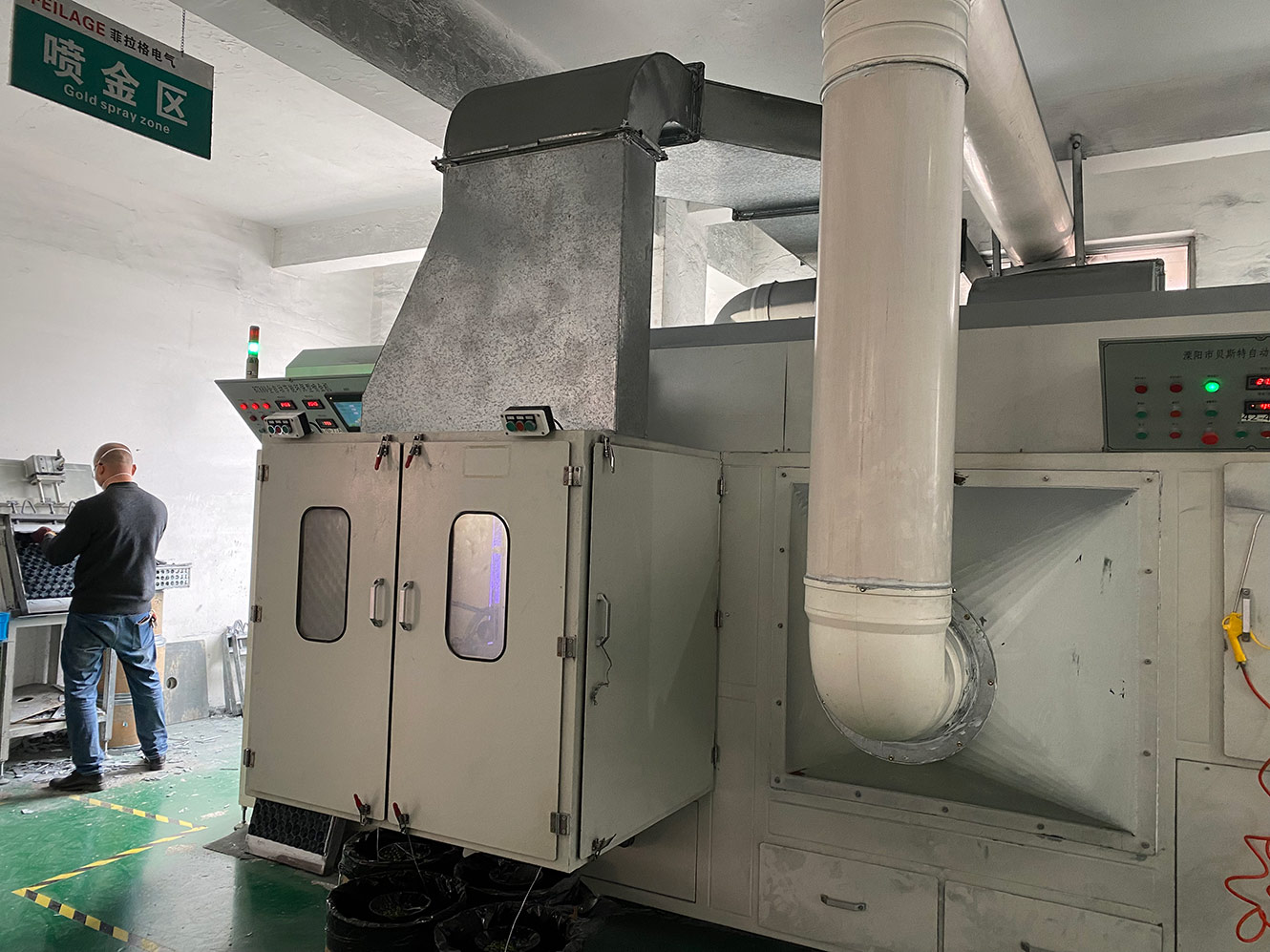
Manufacturing Process: Is the sprayed metal layer securely bonded? Is the welding reliable? (These factors determine the contact resistance and the amount of heat generated.)
Safety Protection: Is it equipped with an over-pressure explosion-proof disconnection device? Does it feature built-in discharge resistors? (These measures ensure the safety of maintenance personnel.)
Power quality serves as the "invisible bloodstream" of industrial production, and the self-healing parallel capacitor acts as the "super-organ" capable of both "generating blood" and "healing itself."
If you are still burdened by the hassle of replacing capacitors every two years—and if you aspire to truly realize a "minimally manned" or automated distribution substation environment—then it is high time to leverage technology to permanently eliminate this hidden operational expense from your ledger.
Related News
- What Is the Difference Between a Power Capacitor and an Intelligent Capacitor?
- Are Self-Healing Shunt Capacitors Suitable for Industrial Applications?
- Why Does a Factory Need an Automatic Power Factor Controller?
- Can a Power Capacitor Reduce Electricity Losses in a Factory?
- What Should Engineers Check Before Choosing a Low Voltage Power Capacitor?
- Why Are Self-Healing Shunt Capacitors Widely Used in Low-Voltage Power Systems?
Leave me a message