What is the Significance of Torque Values when Connecting Capacitor Power Terminals, and What Are the Risks of Improper Tightening?
During the installation and maintenance of a low-voltage reactive power compensation system, the connection operation of the capacitor power terminal seems simple, but it conceals crucial details that can affect the stable operation of the entire system. The torque applied to the connecting bolts of the capacitor is not an insignificant process parameter; rather, it is the core element ensuring the long-term reliability of the electrical connection. Precise application of torque achieves the optimal coupling between mechanical strength and electrical performance.
The Scientific Logic behind the Torque Value
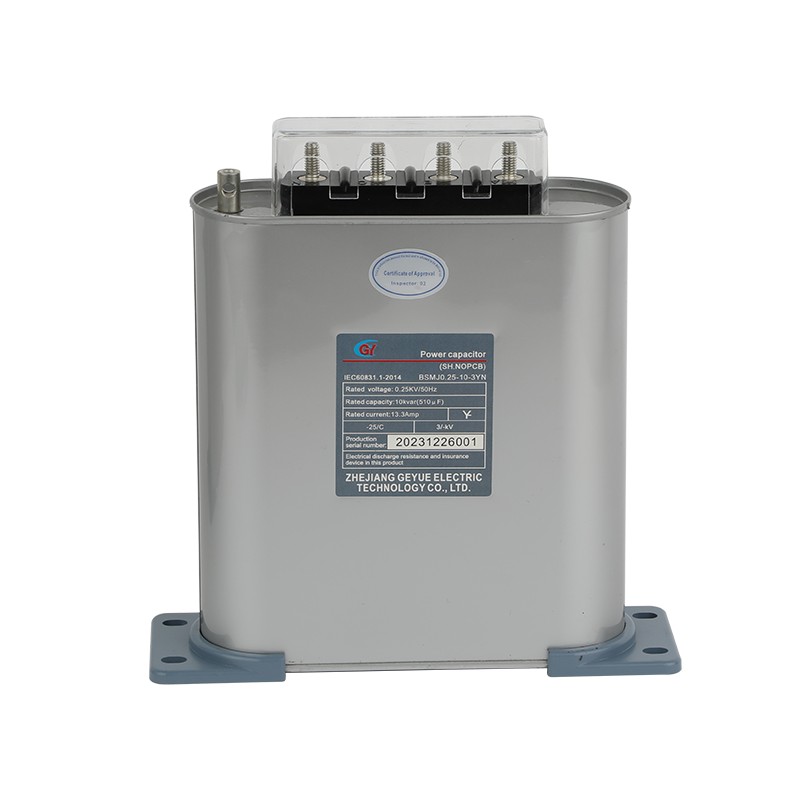
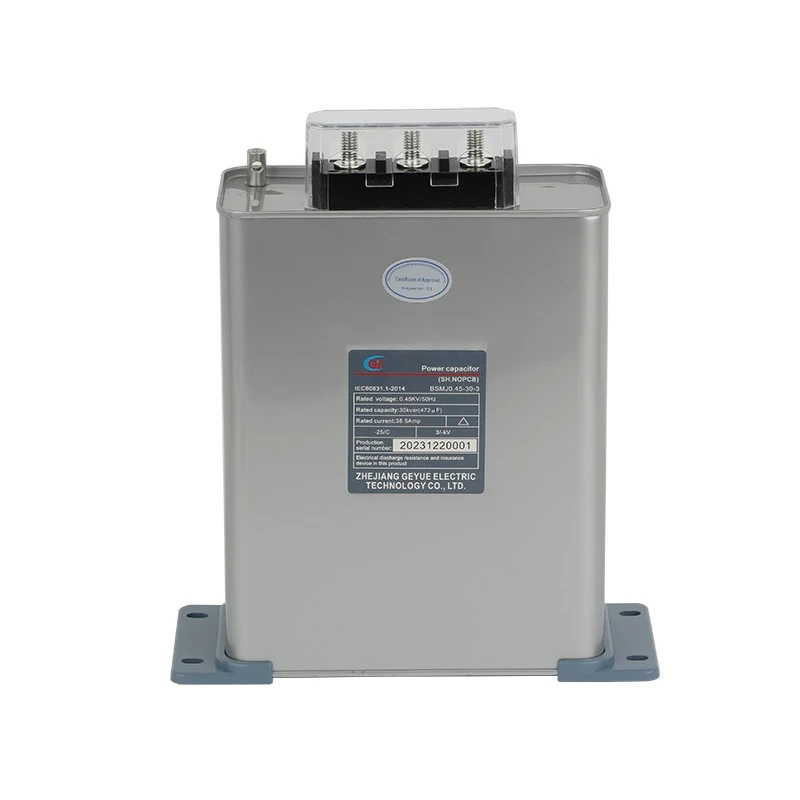
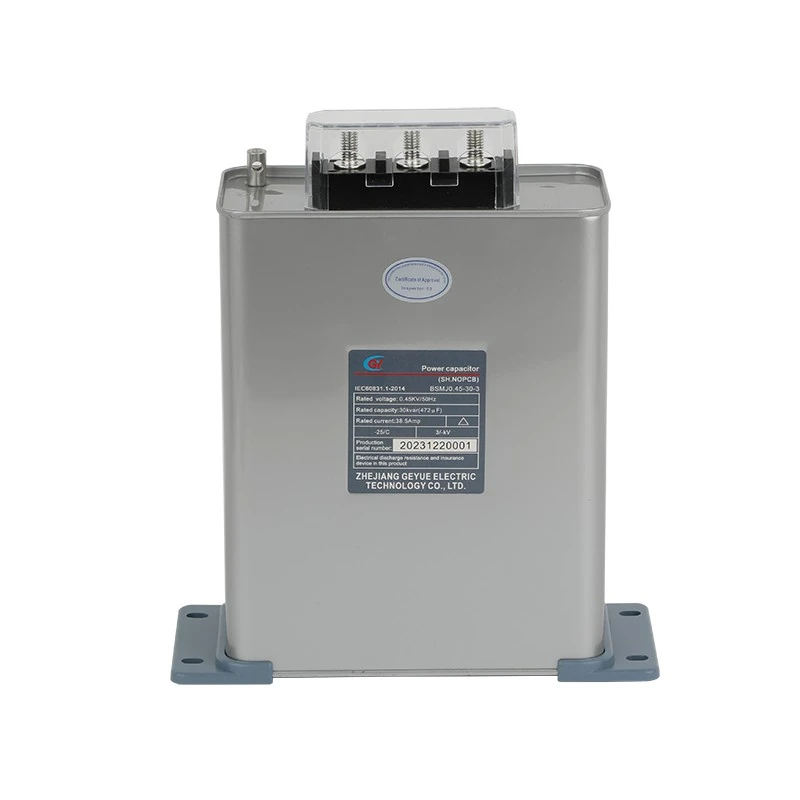
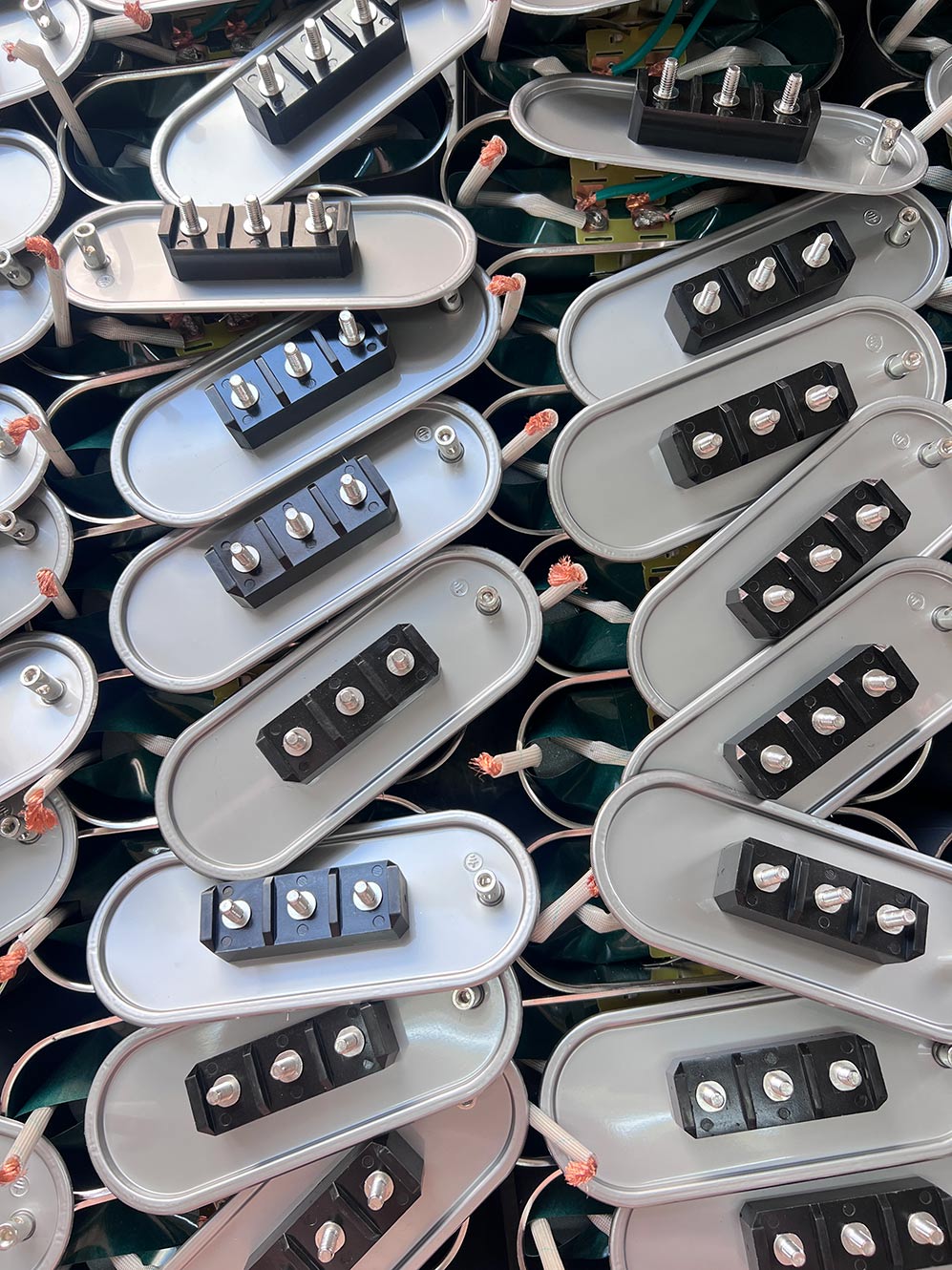
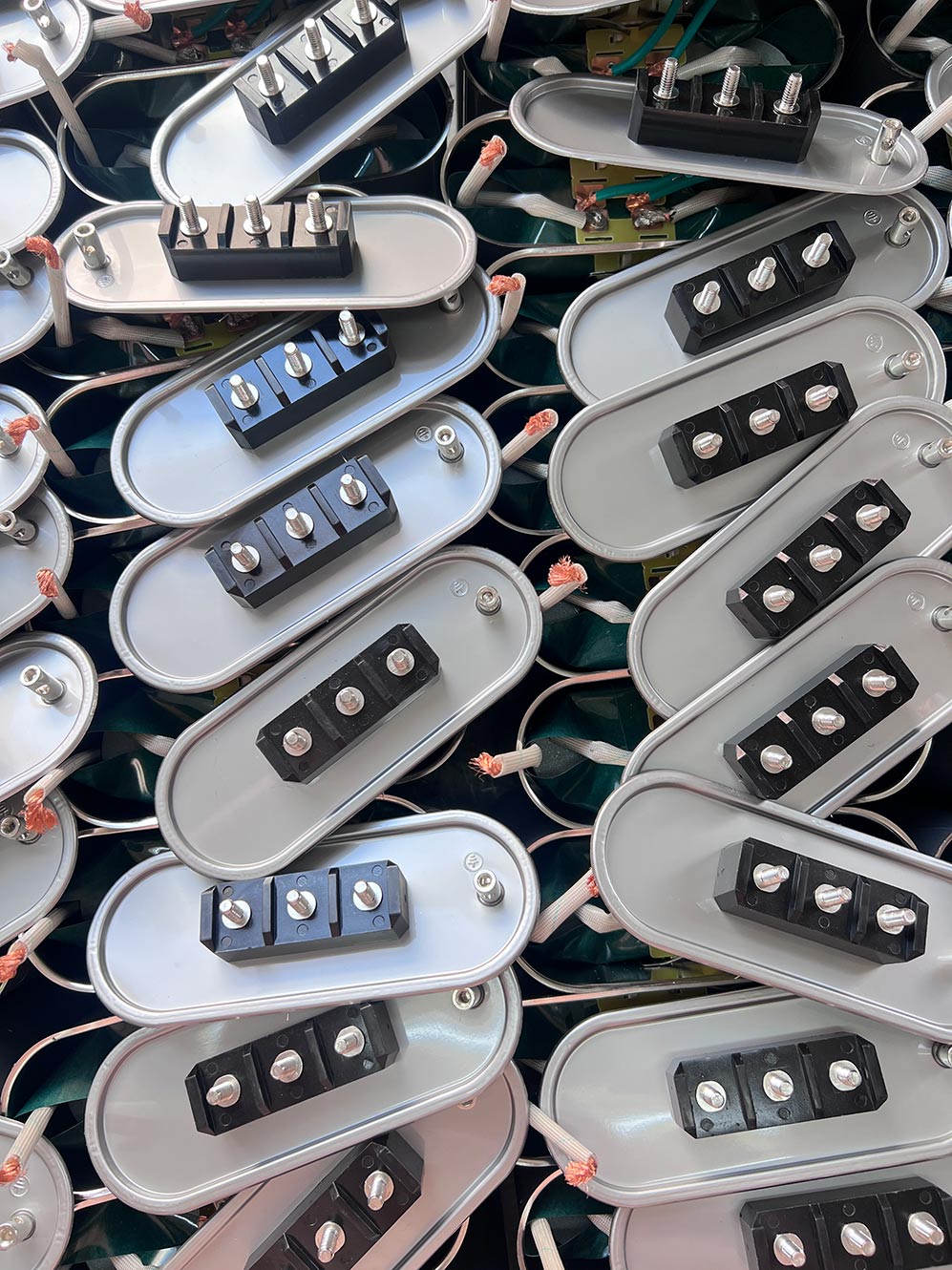
Each terminal of an electrical capacitor has a recommended torque value strictly specified by the manufacturer. This value is a precisely calculated engineering parameter, designed to ensure that the connection point achieves an ideal contact state. When the torque is just right, sufficient contact pressure can be generated between the wire and the terminal, and the conductive cross-section of the wire (such as the copper core) can be fully matched with the conductive contact surface on the capacitor terminal. This tight contact not only minimizes the connection resistance but also forms a stable mechanical structure that can withstand the electromagnetic force shocks and thermal expansion and contraction effects caused by temperature changes during the operation of the equipment. On the contrary, if the power terminals of the capacitors are either overly loose connections or overly tight connections , any operation that causes the actual torque value to deviate from the optimal torque value will lay deep hazards for the system.
The Chain Reactions Caused by Overly Loose Connections
When the connection torque of the power terminals of the capacitor is insufficient, the most direct negative effect is an increase in contact resistance. During high current flow, according to Joule's law, these excess resistances will be converted into abnormal heat, making the connection point a local overheating center. This overheating will accelerate the oxidation process of the terminal metal, and the formation of the oxide layer will further increase the contact resistance, thus entering a vicious cycle of continuous temperature rise. Long-term development will not only lead to the carbonization failure of the insulating material but also cause the plastic casing to deform, ultimately resulting in a short circuit accident. The more concealed risk lies in that the loose connection points may generate arc discharge under the action of current, continuously eroding the metal surface, dramatically shortening the equipment's lifespan.
The Hidden Dangers of Overly Tight Connections
Another common misconception in low-voltage reactive power compensation practice is the belief that "the tighter the connection of the capacitor's power terminal, the safer the compensation system will be". However, the truth is that over-tightening the bolts and under-tightening the bolts both bring a series of problems to the system. In the case of overly tight bolts, the extremely high pressure beyond the design range may directly cause cracks in the metal base of the terminal, or crush the insulation support of the internal conductive components. Such structural damage is often irreversible and will immediately cause serious faults in the capacitor. At the same time, the overly compressed cable core will deform, and the actual conductive cross-section will actually decrease, which will also cause abnormal overheating. In extreme cases, the slotted bolts will completely lose their tightening ability, making subsequent maintenance extremely difficult.
The Solutions and Professional Commitment of Geyue Electric
At Geyue Electric, our self-healing shunt capacitors come with detailed installation instructions at the factory, clearly indicating the recommended torque range for connecting the power terminals. This meticulous attention to detail reflects our company's comprehensive control over product quality. We firmly believe that excellent power equipment should start from every connection terminal, achieving perfection from point to line and line to surface. We sincerely recommend that all customers install and maintain reactive power compensation equipment in a way that uses calibrated torque tools and strictly follows the technical specifications to adjust the torque. If you have any questions about the optimal torque for the power terminals of the capacitors, please feel free to contact us at info@gyele.com.cn for discussion.
Related News
- What Is the Difference Between a Power Capacitor and an Intelligent Capacitor?
- Are Self-Healing Shunt Capacitors Suitable for Industrial Applications?
- Why Does a Factory Need an Automatic Power Factor Controller?
- Can a Power Capacitor Reduce Electricity Losses in a Factory?
- What Should Engineers Check Before Choosing a Low Voltage Power Capacitor?
- Why Are Self-Healing Shunt Capacitors Widely Used in Low-Voltage Power Systems?
Leave me a message