Can Cylinder Self-healing Shunt Capacitor Become the Ideal Choice for Reactive Power Compensation in Power Systems?
Introduction
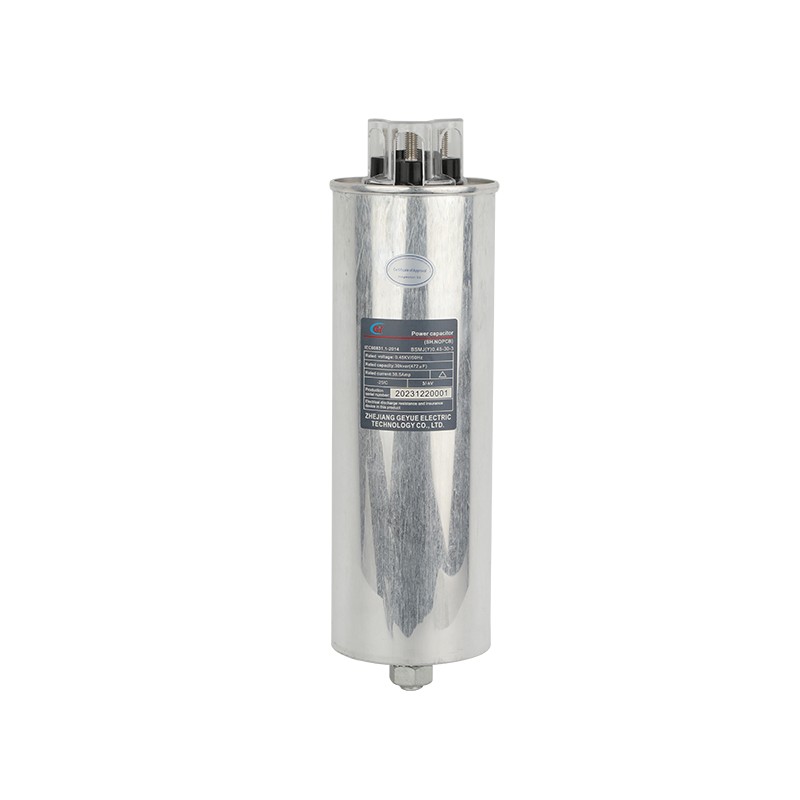
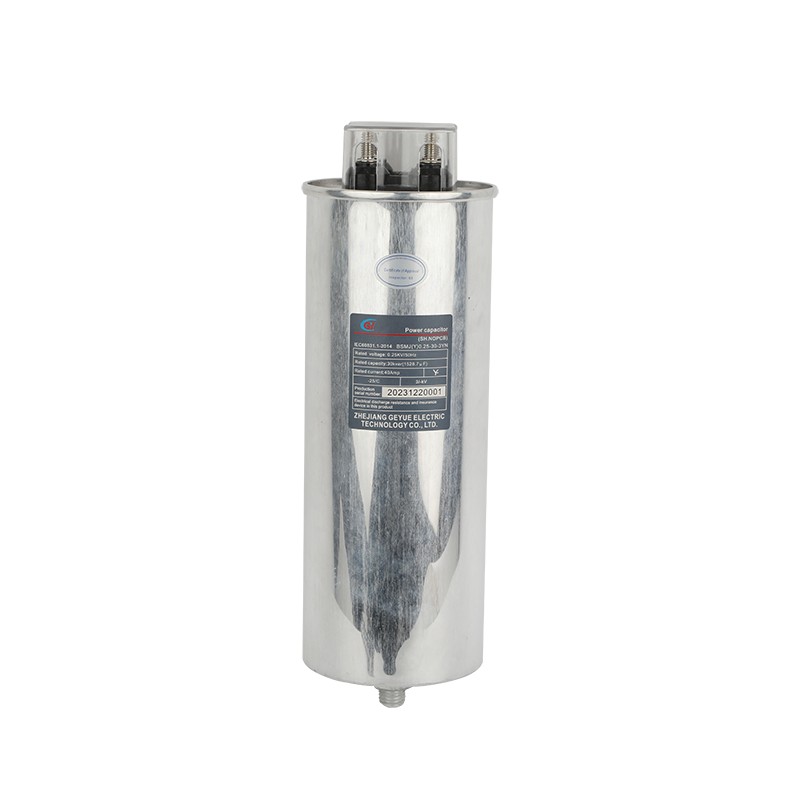
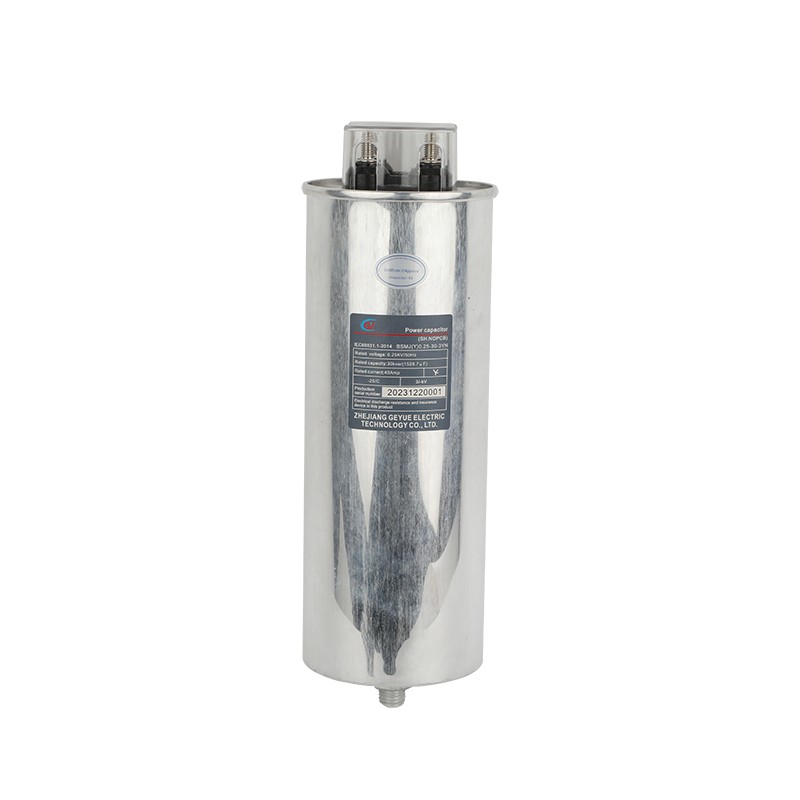
With the continuous development of power systems, reactive power compensation technology, as an important means to ensure the stable operation of the power grid, is receiving increasing attention. Cylinder self-healing shunt capacitor, as the core component of reactive power compensation devices, play an increasingly important role in power systems due to their unique structural design and excellent performance. With the large-scale integration of new energy sources and the widespread application of power electronic equipment, the power grid is placing higher demands on reactive power compensation equipment. Cylindrical capacitors, with their unique advantages, are becoming an important choice for improving power quality.
The technological development of Cylinder self-healing shunt capacitor has undergone a long and stable evolution. From the initial oil-immersed capacitors to the current dry-type self-healing capacitors, technological innovation has continued to advance. Modern cylindrical capacitors use metallized polypropylene film as the dielectric, which has excellent self-healing properties. When a local breakdown occurs in the dielectric, the metal layer around the breakdown point evaporates instantly to form an insulating zone, achieving self-repair and greatly improving the reliability of the equipment.
Currently, the cylindrical capacitor market is showing a stable growth trend. According to industry data, the global cylindrical capacitor market reached $4 billion in 2023 and is projected to grow to $6 billion by 2028, with a compound annual growth rate of approximately 8%. Market demand primarily comes from power systems, industrial automation, and new energy sectors, with the Asia-Pacific region being the fastest-growing market.
Technical Principles and Structural Characteristics
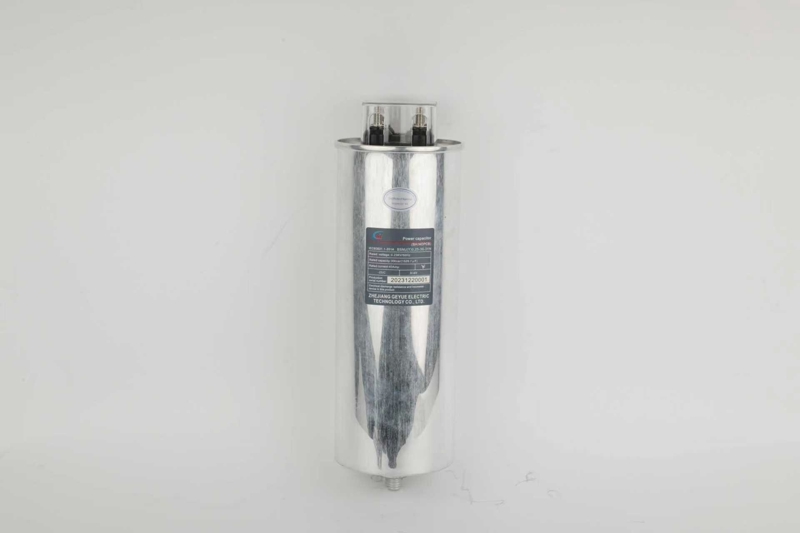
The dielectric thickness is typically controlled between 3-6 micrometers, ensuring both insulation strength and a small volume. The electrodes use high-purity aluminum-zinc composite materials, which have good conductivity and corrosion resistance.
The internal structure of cylindrical capacitors is meticulously designed. The dielectric film employs precision winding technology to ensure uniform interlayer consistency. An internal segmented structure design effectively prevents partial discharge. Terminal connections utilize a special welding process to guarantee reliable connections.
Application Areas and Case Studies
In the power system sector, Cylinder self-healing shunt capacitor have shown significant effectiveness. In a regional power grid upgrade project, the use of cylindrical capacitors for reactive power compensation reduced line losses by 15% and increased voltage qualification rate to 99.9%. Project operation data shows that the capacitors have maintained a failure rate of less than 0.1% for one year since commissioning, demonstrating excellent reliability.
The industrial sector is a significant market for cylindrical capacitors. A large chemical plant used cylindrical capacitors for power factor compensation, improving the power factor from 0.7 to 0.95, resulting in annual electricity cost savings of approximately 2 million yuan.
The new energy sector presents new development opportunities for cylinder self-healing shunt capacitor. A 200MW photovoltaic power station used cylindrical capacitors for reactive power compensation, improving the station's operating efficiency by 5%. Especially under rapidly changing light intensity, the capacitors exhibit excellent response characteristics, effectively smoothing voltage fluctuations.
Technological Advantages and Innovative Breakthroughs
In terms of materials innovation, the application of a new generation of nanocomposite dielectrics further enhances capacitor performance. This material has a higher dielectric constant and better temperature stability, allowing for a 30% reduction in capacitor volume while improving capacitance stability by 15%. The development of new metallized electrode materials makes the capacitor's self-healing performance more reliable.
The application of intelligent monitoring technology is another important innovation. By integrating temperature sensors and status monitoring units inside the capacitor, the capacitor's operating status can be monitored in real time.
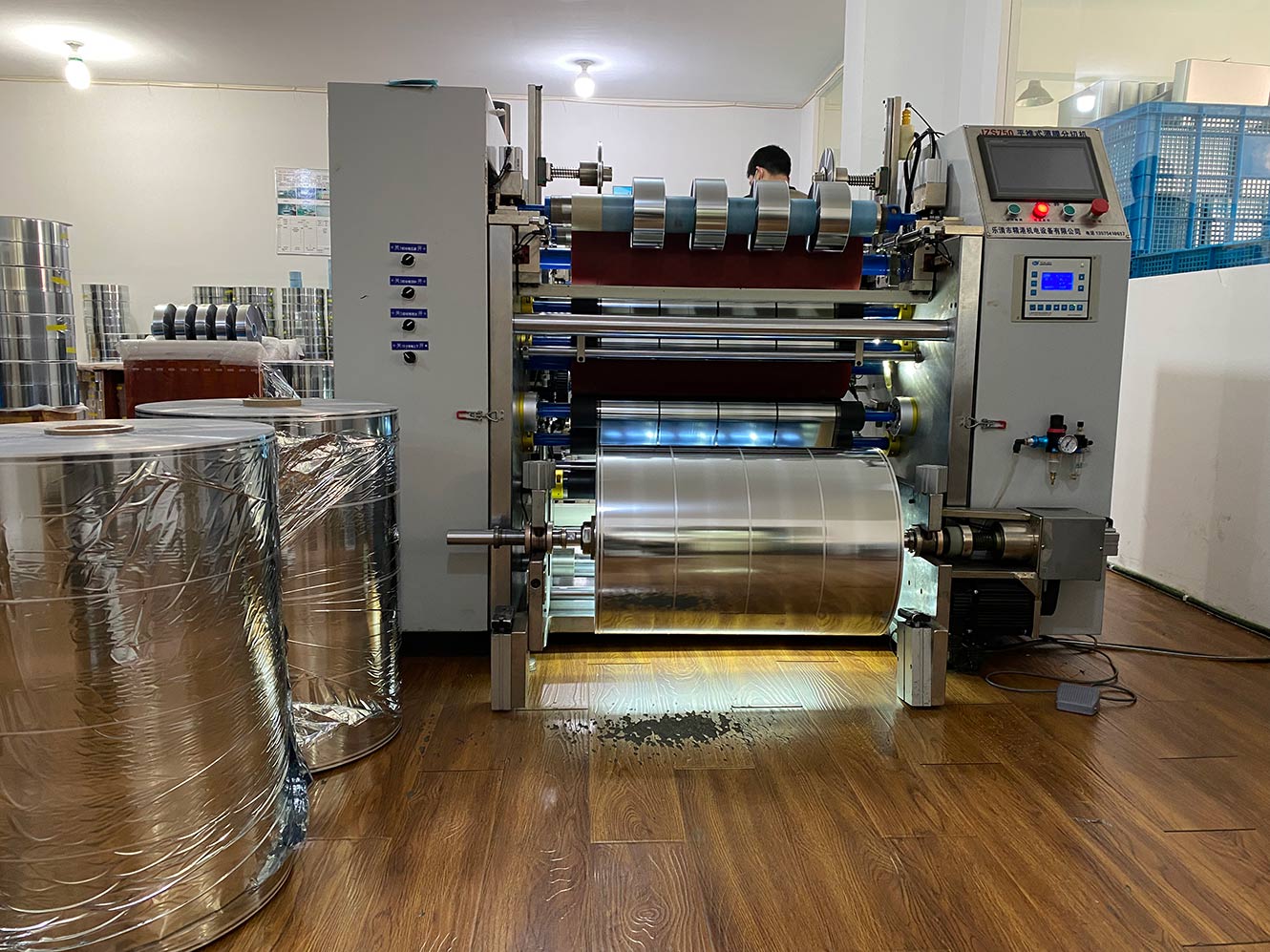
Innovations in manufacturing processes have also driven technological progress. The application of fully automated production lines has significantly improved product consistency.
In terms of environmental protection, significant breakthroughs have also been achieved in cylindrical capacitors. Using environmentally friendly insulation materials, the products comply with RoHS directive requirements. The application of recyclable materials ensures a recycling rate of over 90% after product disposal. These innovations make cylindrical capacitors truly green products.
Installation, Use, and Maintenance Guidelines
The installation of cylindrical capacitors must follow standardized procedures. Before installation, check that the product model meets design requirements and that there is no external damage. Choose a well-ventilated location to ensure effective heat dissipation.
Related News
- What Is the Difference Between a Power Capacitor and an Intelligent Capacitor?
- Are Self-Healing Shunt Capacitors Suitable for Industrial Applications?
- Why Does a Factory Need an Automatic Power Factor Controller?
- Can a Power Capacitor Reduce Electricity Losses in a Factory?
- What Should Engineers Check Before Choosing a Low Voltage Power Capacitor?
- Why Are Self-Healing Shunt Capacitors Widely Used in Low-Voltage Power Systems?
Leave me a message