How Does a Split-Phase Compensation Compound Switch Work with a Static Var Generator (SVG) in a Hybrid Compensation System?
With the increasing complexity of modern industrial power systems, single reactive power compensation devices are no longer sufficient to cope with the ever-changing power quality challenges. Faced with the coexistence of dynamic load impacts and steady-state imbalances, hybrid compensation systems constructed from split-phase compensation compound switches and static var generators (SVG) are becoming the mainstream technology. As a professional manufacturer deeply rooted in the field of power quality, Geyue Electric will provide an in-depth analysis of how these two key types of equipment in this highly efficient collaborative system perform their respective functions and form a perfect complement.

Split-Phase Compensation Compound Switch: A Stable Cornerstone for Foundation Support
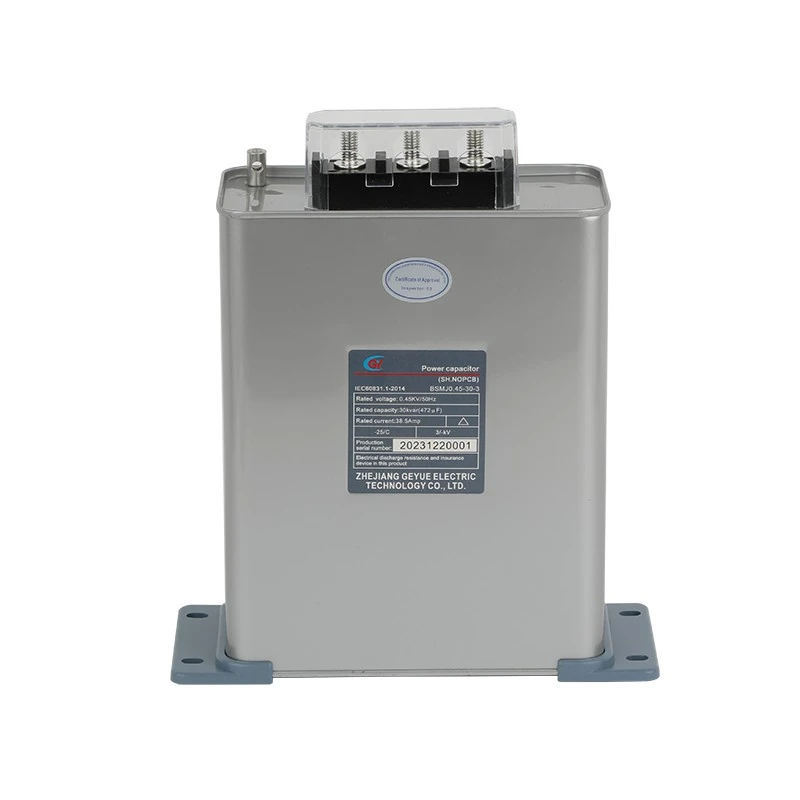
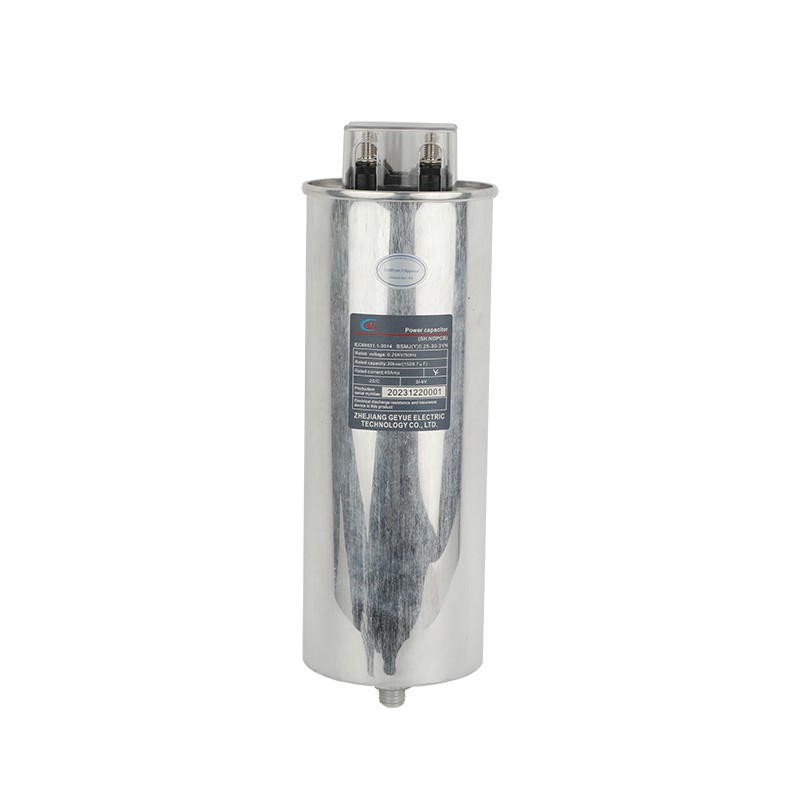
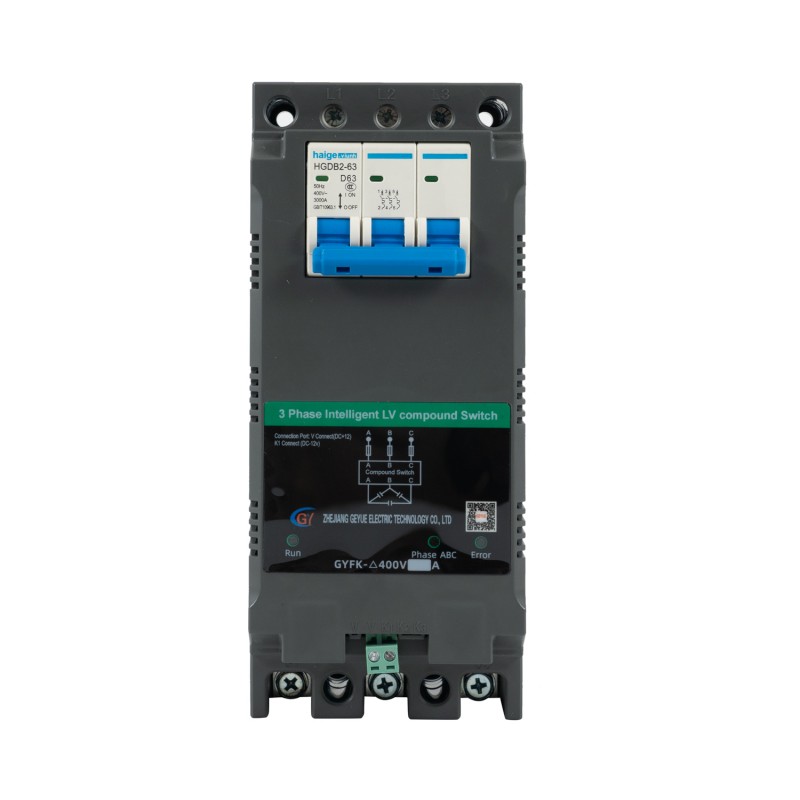
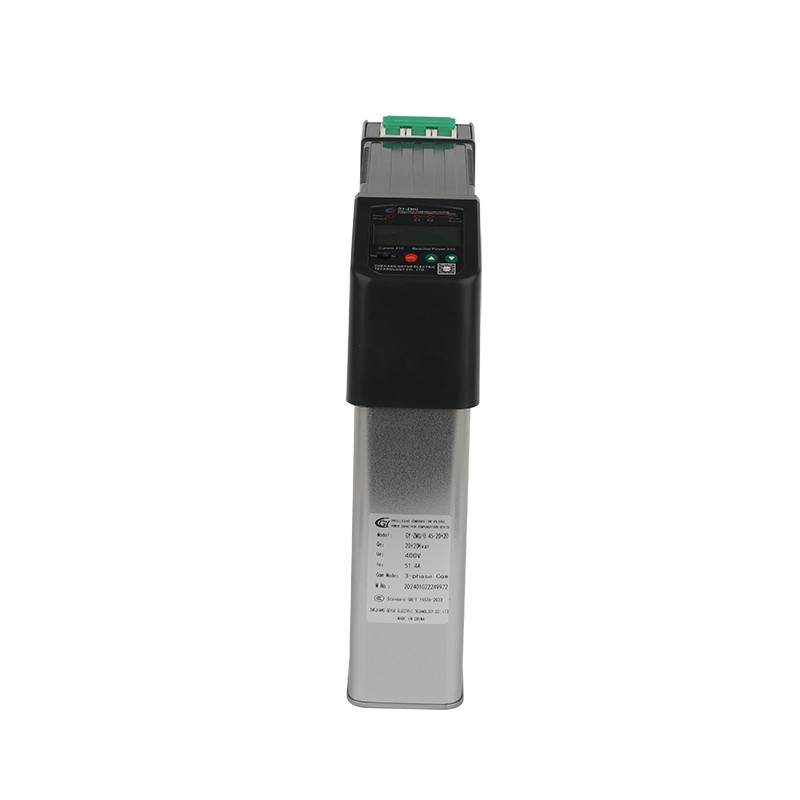
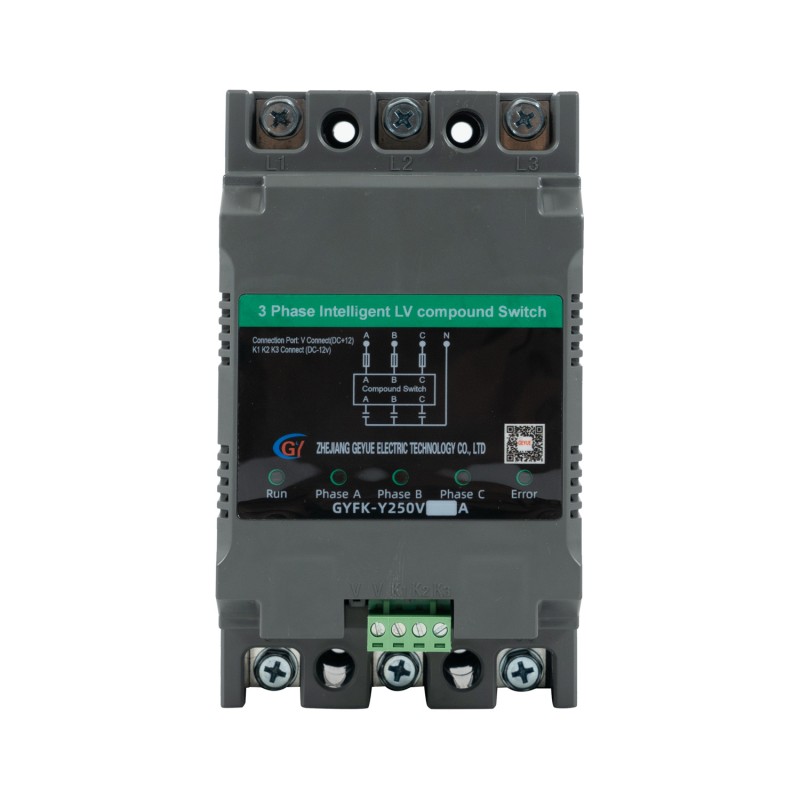
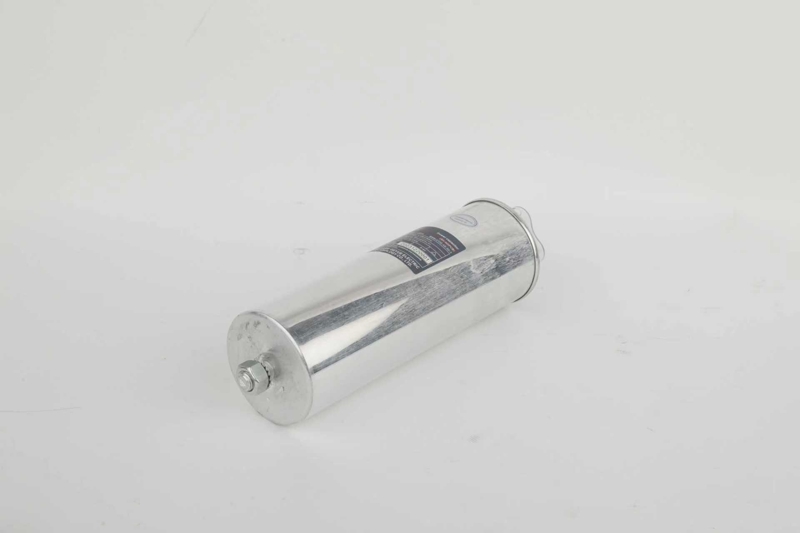
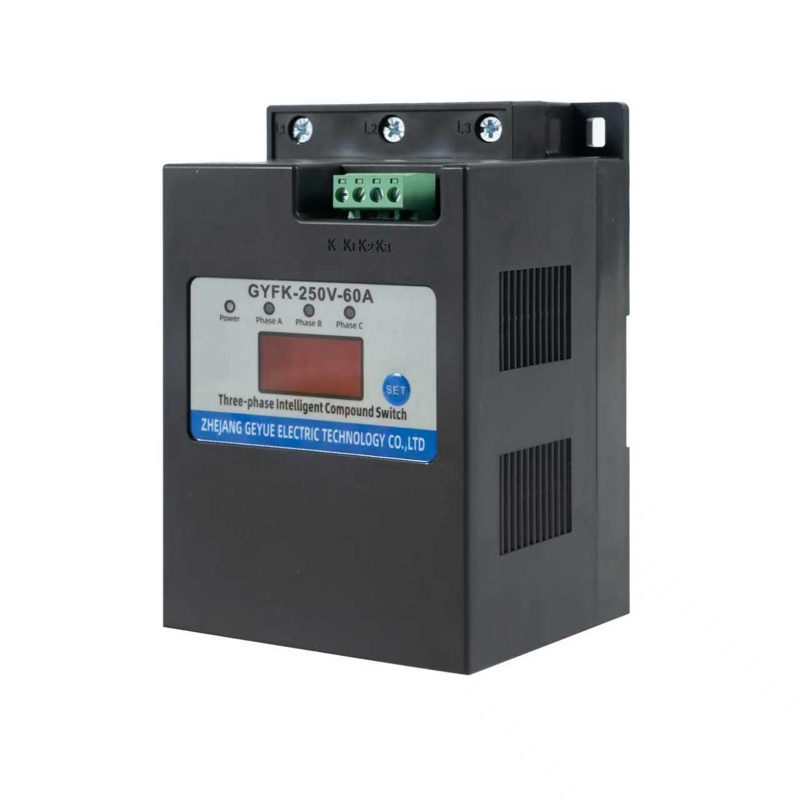
The primary task of a hybrid compensation system is to establish a reliable and efficient reactive power base, which is precisely the core mission of the split-phase compensation compound switch. The split-phase compensation compound switch is specifically designed to address the common three-phase load imbalance problems found in complex scenarios such as commercial complexes, photovoltaic power plants, and intelligent manufacturing production lines. Internally, the split-phase compensation compound switch employs a built-in star connection, enabling it to independently and in real-time detect and accurately compensate for the loads of each of the A, B, and C phases of the power grid. By independently switching power factor capacitors on each phase, the split-phase compensation compound switch can effectively eliminate the fundamental reactive power deficit caused by intermittent operation of single-phase high-power equipment (such as welding machines and elevators) or uneven output of distributed photovoltaic power sources, thereby improving the three-phase imbalance at its source and providing a stable and economical capacitive reactive power foundation for the entire power system.
Static Var Generator: An Agile Tentacle with Dynamic Adjustment
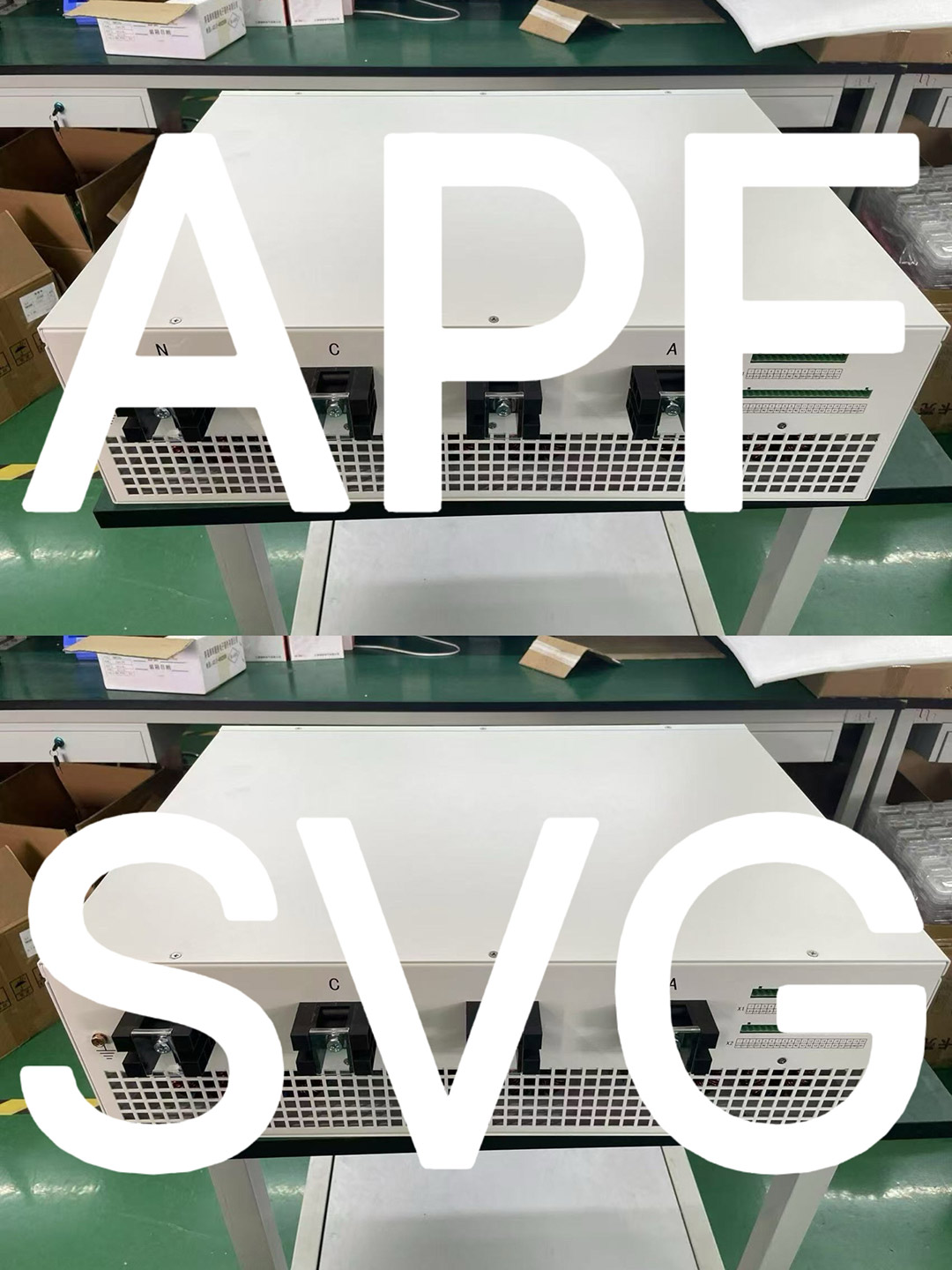
Even after establishing a stable reactive power foundation, the power distribution system still faces numerous rapidly changing dynamic disturbances. These instantaneous reactive power fluctuations, generated by impulsive loads (such as the starting of large motors or rolling mill operations), and harmonic currents generated by frequency converters and rectifiers, change extremely rapidly, with significant numerical jumps occurring within seconds or even milliseconds. This rapid change exceeds the tracking and response capabilities of traditional mechanical switching devices (with response times on the order of hundreds of milliseconds). This is where an SVG (Static Var Generator) can demonstrate its irreplaceable technological value. Based on fully controlled power electronic devices, the SVG can generate the necessary compensation current and inject it into the grid within five milliseconds by real-time detection of load current changes. Its core functions encompass three aspects: instantaneous compensation for rapidly fluctuating reactive power, effective filtering of specific harmonic currents, and suppression of voltage flicker caused by sudden load changes. The SVG acts like a highly sensitive system regulation expert, specifically addressing dynamic power quality issues in the power system.
Split-Phase Compensation Compound Switch + SVG: A Collaborative Logic of Scientific Division of Labor
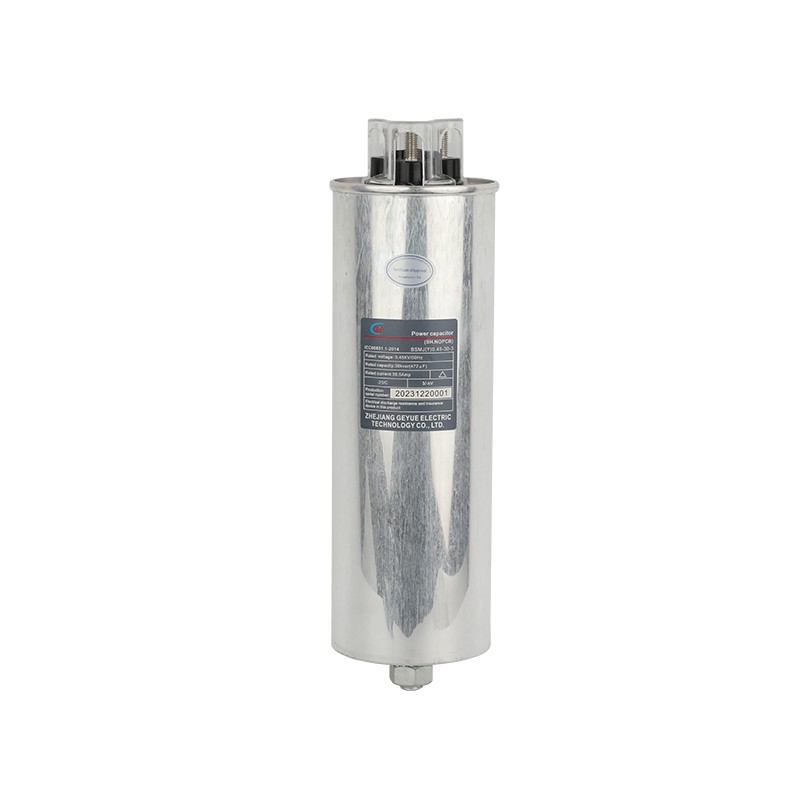
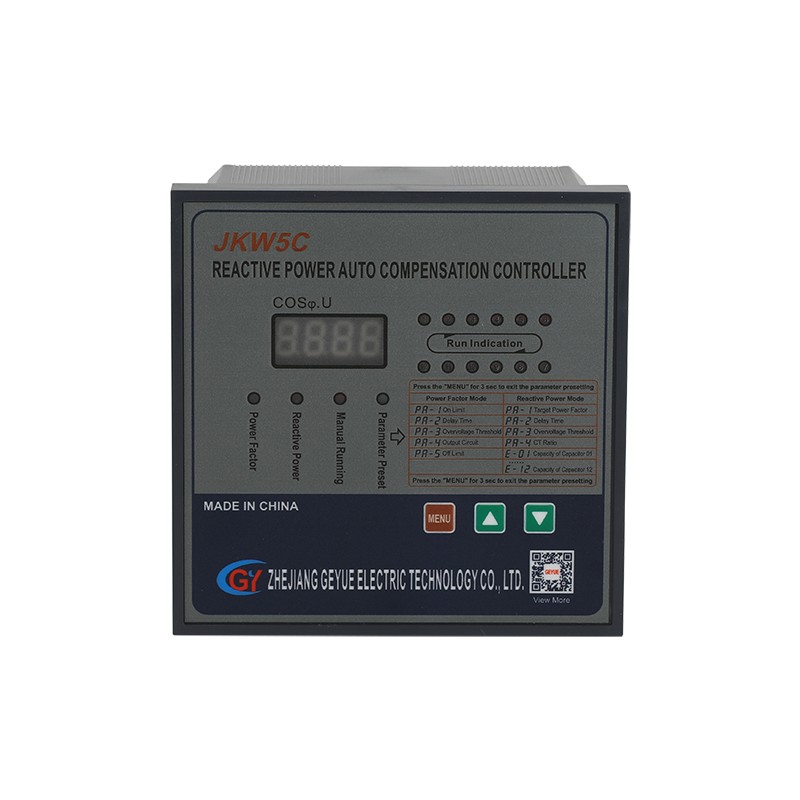
The collaboration between the split-phase compensation compound switch and the SVG relies heavily on a scientific division of labor based on time scale and economic efficiency. In terms of time, the split-phase compensation compound switch is responsible for handling steady-state compensation requirements that change on a minute-level scale, while the SVG is specialized in dynamic compensation tasks at the sub-second level. In terms of economics, the capacitor banks switched by the split-phase compensation compound switch provides the lowest cost per unit of reactive power, making it suitable for handling the vast majority of basic compensation needs in the system. The SVG, with its rapid and flexible adjustment characteristics, addresses the remaining dynamic issues. This combination of the split-phase compensation compound switch and the SVG optimizes the overall system cost and performance. Under an advanced control strategy, the intelligent power factor controller can allocate slowly changing capacitive compensation commands to the split-phase compensation compound switch branches based on real-time monitored data, while simultaneously allocating rapidly changing compensation needs to the SVG branches, thus forming a hierarchical collaborative working mechanism.
Geyue Electric: A Reliable and Implementable Manufacturing Guaranty
Geyue Electric is well aware that the outstanding performance of the hybrid power compensation system must be based on the reliability of each component. The GYFK-250V split-phase compensation compound switch, with its star connection and zero-crossing switch technology, effectively handles the basic reactive power demand of three-phase unbalance, thus laying a foundation of efficient, reliable and economical compensation for the system. Meanwhile, our static var generator (SVG), with its high-speed DSP processors and IGBT converter technology, dynamically responds to harmonic and reactive power effects within milliseconds, thereby achieving precise dynamic management.
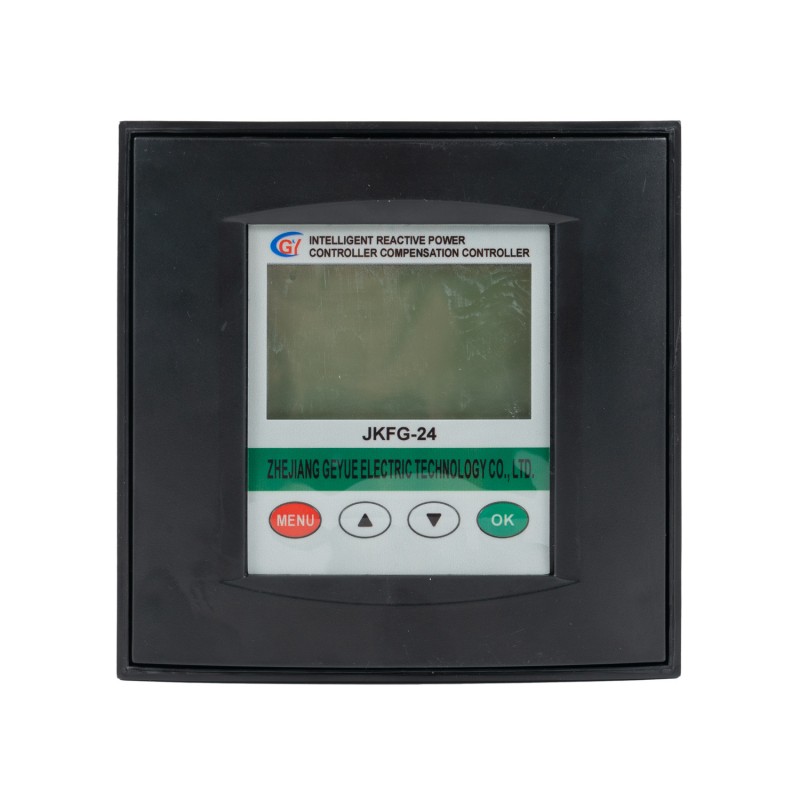
The dynamic duo of a 250V split-phase compensation compound switch and an SVG is uniformly scheduled by the Geyue intelligent control system, forming a collaborative architecture of "compound switch as the foundation, SVG for fine-tuning." This architecture leverages the economic advantages of capacitor compensation while integrating the speed and accuracy of SVG response, providing users with comprehensive power quality assurance from steady state to transient state, and from reactive power to harmonics. Please email info@gyele.com.cn for free low-voltage reactive power compensation advice. Geyue Electric possesses a complete chain of technical capabilities ranging from core components to system integration. We guarantee that every solution we provide will have eminenrt operational reliability and governance efficiency.
Related News
- What Is the Difference Between a Power Capacitor and an Intelligent Capacitor?
- Are Self-Healing Shunt Capacitors Suitable for Industrial Applications?
- Why Does a Factory Need an Automatic Power Factor Controller?
- Can a Power Capacitor Reduce Electricity Losses in a Factory?
- What Should Engineers Check Before Choosing a Low Voltage Power Capacitor?
- Why Are Self-Healing Shunt Capacitors Widely Used in Low-Voltage Power Systems?
Leave me a message