Why Are Self-healing Shunt Capacitors Becoming the Preferred Choice for Modern Power Systems?
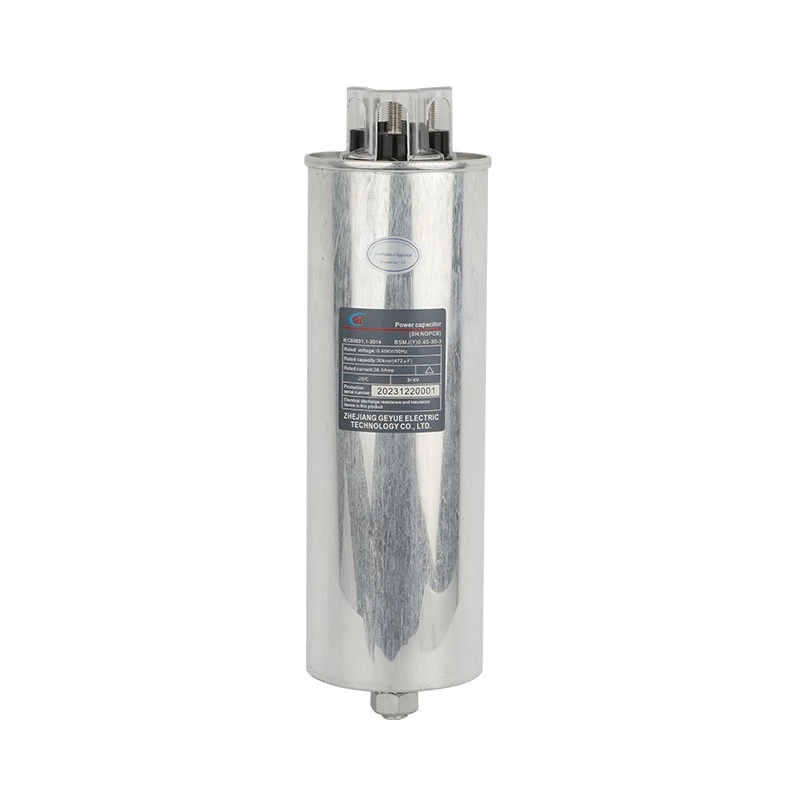
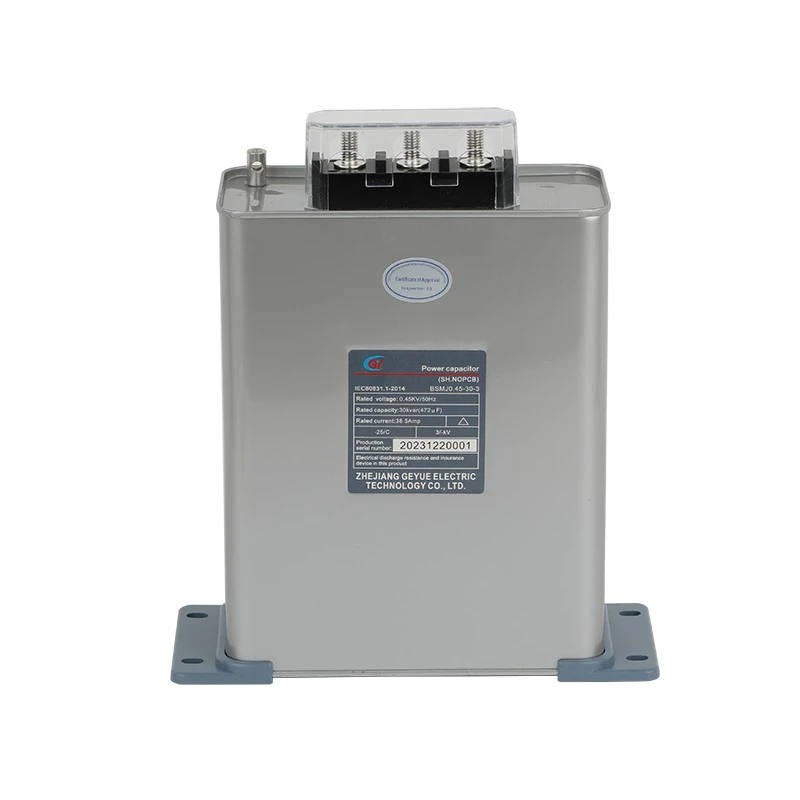
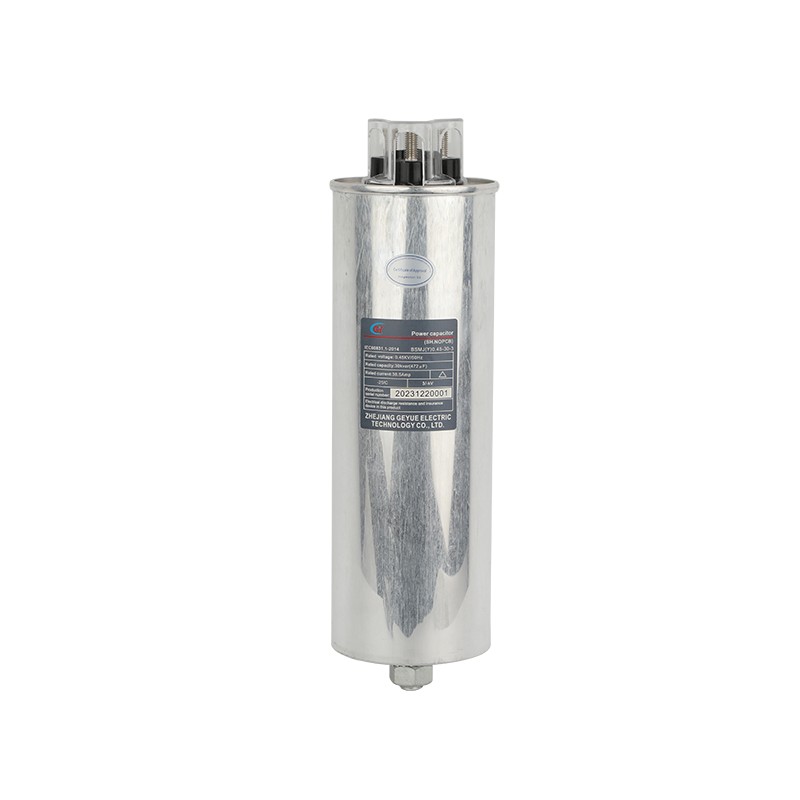
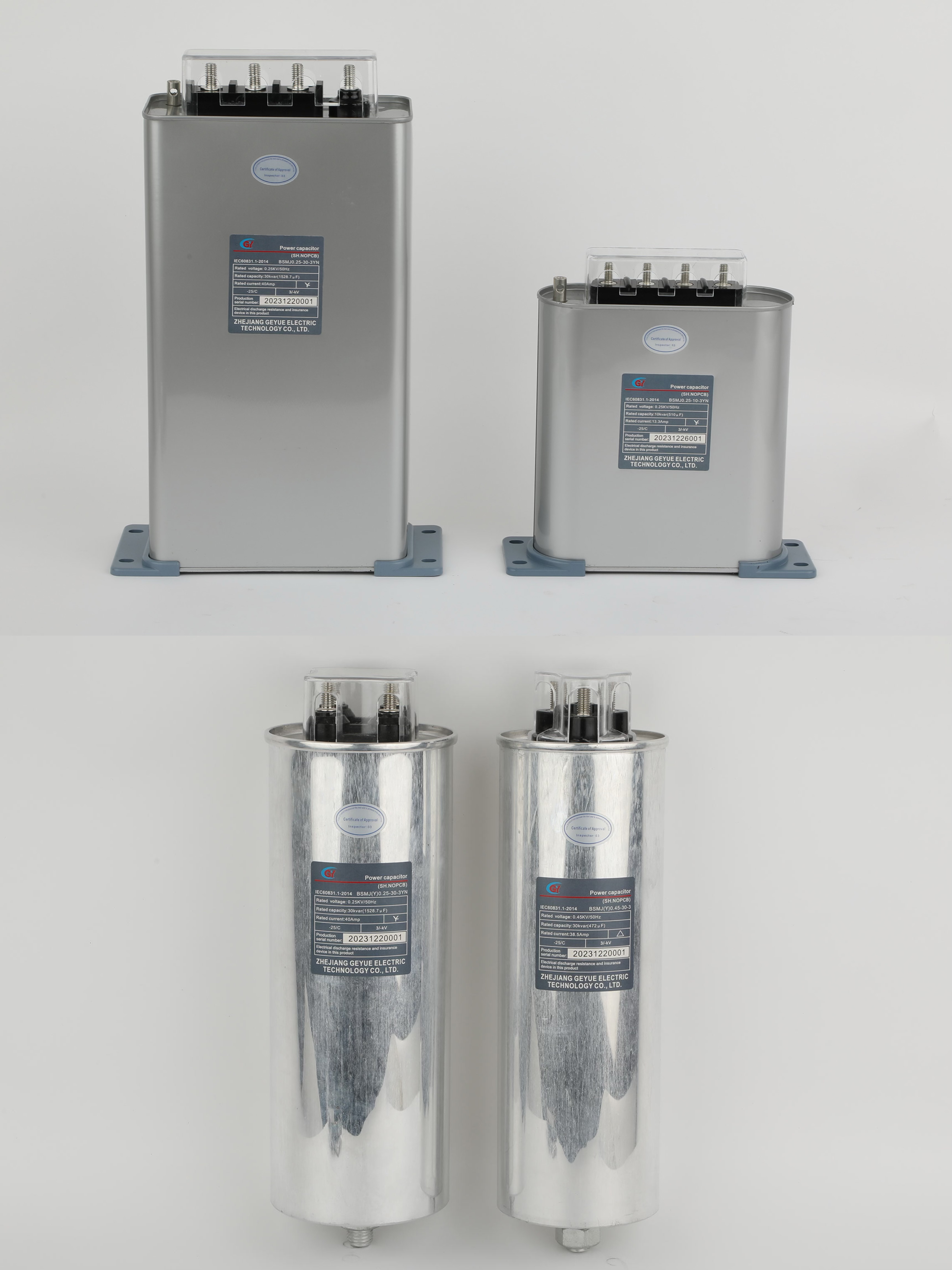
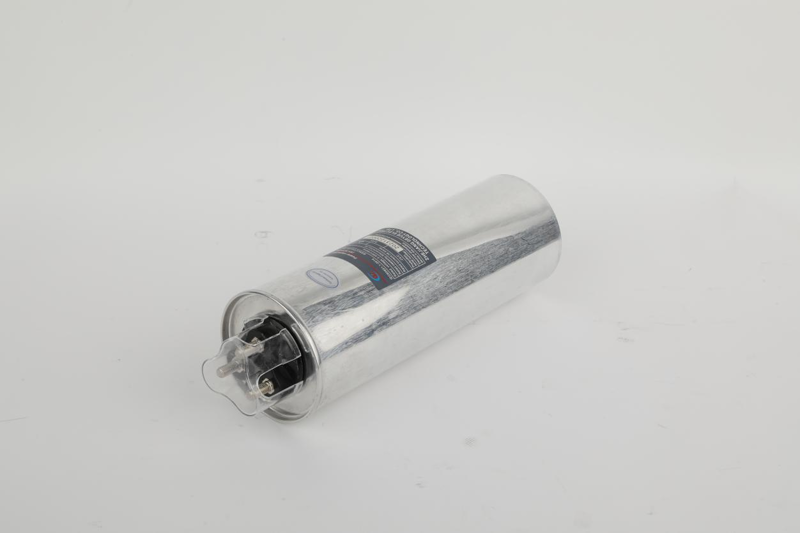
As industrial automation, renewable energy, and smart grid projects continue to expand worldwide, power quality has become a major concern for utilities, equipment manufacturers, and industrial facilities. Among the many components used for reactive power compensation, Self-healing Shunt Capacitors are receiving increasing attention due to their reliability, long service life, and reduced maintenance requirements.
Unlike traditional capacitors, self-healing technology allows the capacitor to automatically isolate a localized dielectric breakdown without interrupting normal operation. This feature helps maintain stable electrical performance while extending the overall operating life of the capacitor bank.

Growing Demand Driven by Energy Efficiency
Industrial plants are under constant pressure to reduce energy consumption and improve operational efficiency. Motors, transformers, welding equipment, and large production lines generate significant reactive power, resulting in lower power factors and higher electricity costs.
Installing Self-healing Shunt Capacitors enables facilities to:
● Improve power factor● Reduce reactive power losses
● Increase transformer utilization
● Lower line current
● Enhance voltage stability
● Minimize electricity penalties
These benefits make self-healing capacitors an important component in modern power factor correction systems.
What Makes Self-healing Technology Different?
The key advantage lies in the metallized polypropylene film used inside the capacitor.
When a localized dielectric fault occurs, the metallized layer surrounding the fault evaporates almost instantly, electrically isolating the damaged area. The remaining capacitor continues operating normally with only a negligible reduction in capacitance.
Compared with conventional capacitor structures, this design offers several practical advantages:
● Longer service life● Higher operational reliability
● Lower failure rate
● Reduced maintenance costs
● Improved safety during continuous operation
These characteristics are especially valuable in industrial environments where uninterrupted production is critical.
Applications Continue to Expand
Today, Self-healing Shunt Capacitors are widely installed in various industries, including:
● Industrial manufacturing plants● Commercial buildings
● Utility substations
● Renewable energy projects
● Wind power systems
● Solar photovoltaic installations
● Mining operations
● Data centers
● Water treatment facilities
As more countries adopt stricter energy efficiency standards, demand for high-performance reactive power compensation equipment continues to grow.
Manufacturing Quality Plays an Important Role
While capacitor technology continues to evolve, manufacturing quality remains one of the biggest factors affecting long-term performance.
Professional Shunt Capacitor Manufacturers focus on:
● Premium metallized polypropylene film● Stable winding technology
● Low-loss dielectric materials
● Strict production quality control
● High-voltage testing
● Thermal stability verification
● International quality standards
Reliable manufacturing helps ensure stable capacitance, low dielectric loss, and consistent operation under varying load conditions.
Supporting Renewable Energy Infrastructure
The rapid expansion of solar and wind power has created new challenges for electrical networks. Fluctuating loads and distributed generation require more effective reactive power management than ever before.
Self-healing shunt capacitors are increasingly integrated into renewable energy systems to support:
● Grid voltage regulation● Reactive power compensation
● Improved inverter performance
● Reduced transmission losses
● Enhanced grid stability
As renewable installations continue to increase worldwide, advanced capacitor technologies are expected to play an even greater role in maintaining efficient and reliable power distribution.
Looking Ahead
The transition toward energy-efficient infrastructure is reshaping the global capacitor market. End users are no longer focused solely on initial purchase cost---they increasingly evaluate product reliability, operating life, maintenance requirements, and long-term return on investment.
With their combination of safety, durability, and stable electrical performance, Self-healing Shunt Capacitors are expected to remain an important solution for industrial power factor correction and reactive power compensation projects in the years ahead.
For engineering companies, electrical contractors, and system integrators, selecting high-quality capacitors from experienced manufacturers can contribute to more reliable power systems and lower operating costs over the lifetime of the installation.
Related News
- What Is the Difference Between a Power Capacitor and an Intelligent Capacitor?
- Are Self-Healing Shunt Capacitors Suitable for Industrial Applications?
- Why Does a Factory Need an Automatic Power Factor Controller?
- Can a Power Capacitor Reduce Electricity Losses in a Factory?
- What Should Engineers Check Before Choosing a Low Voltage Power Capacitor?
- Why Are Self-Healing Shunt Capacitors Widely Used in Low-Voltage Power Systems?
Leave me a message