How modern metallized film technology and automatic dielectric restoration prevent catastrophic plant downtime.
Ask any plant electrical engineer about their biggest operational headaches, and power factor correction capacitors will likely be high on the list.
In heavy industrial facilities---ranging from textile mills operating large variable frequency drives (VFDs) to mining operations facing extreme voltage spikes---capacitors endure immense stress. Micro-overvoltages, transient harmonics, and high thermal stress constantly threaten to break down traditional dielectric insulation, leading to premature capacitor bank failure, unnecessary utility penalties, and unplanned downtime.
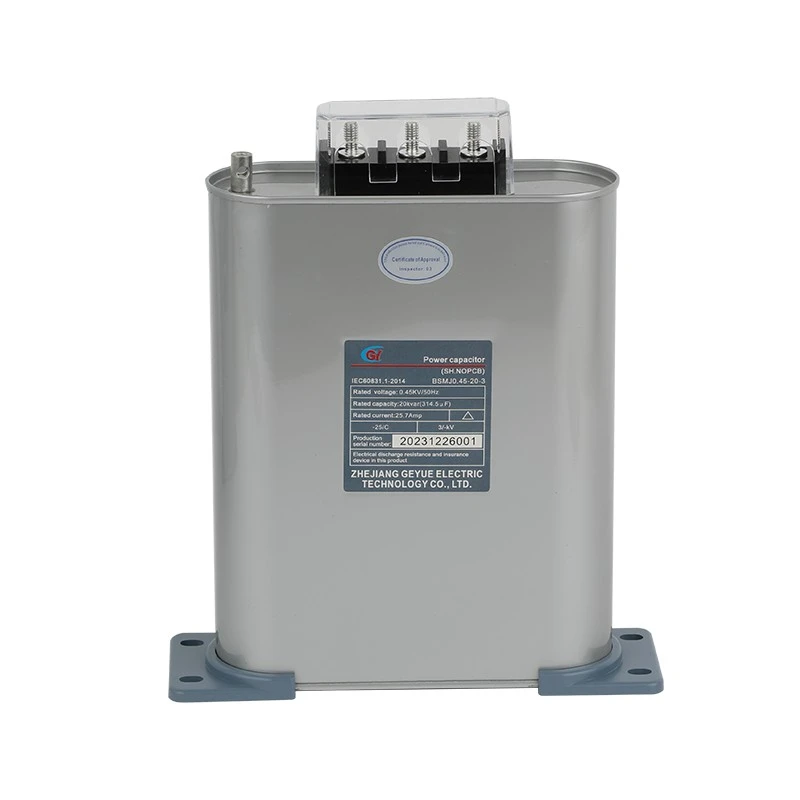
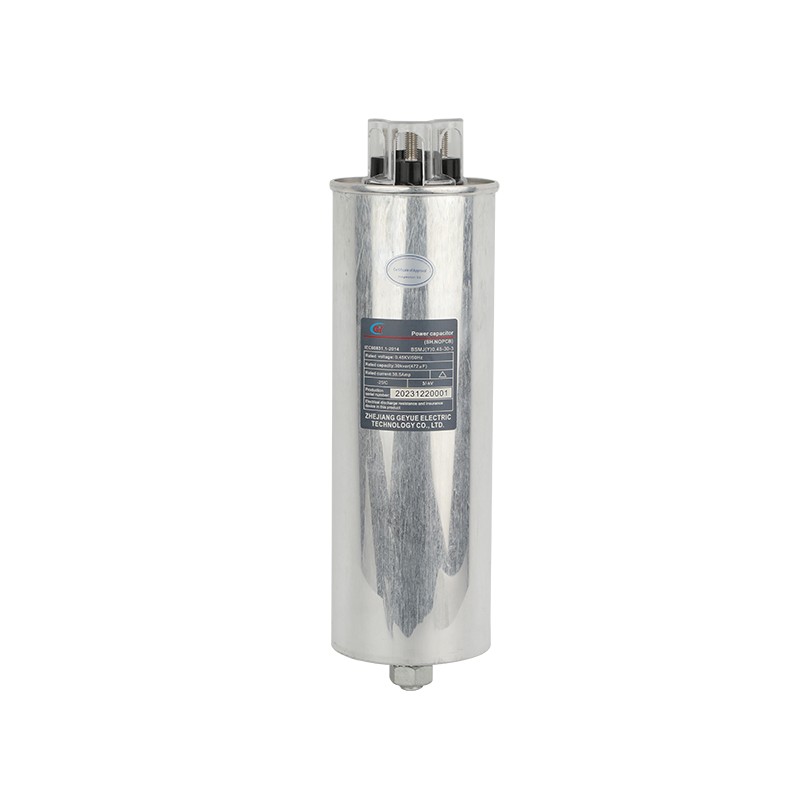
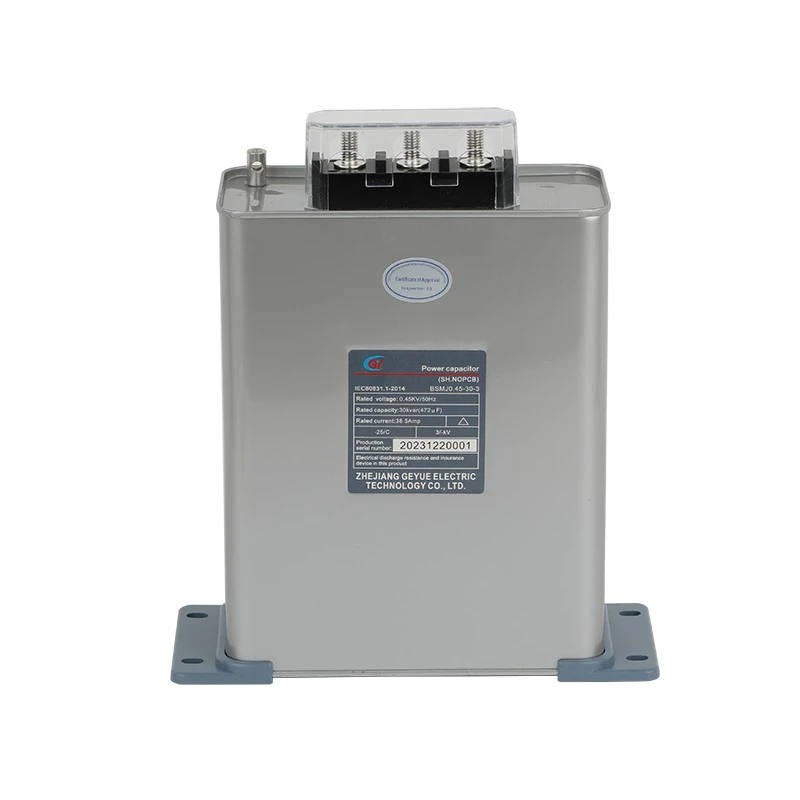
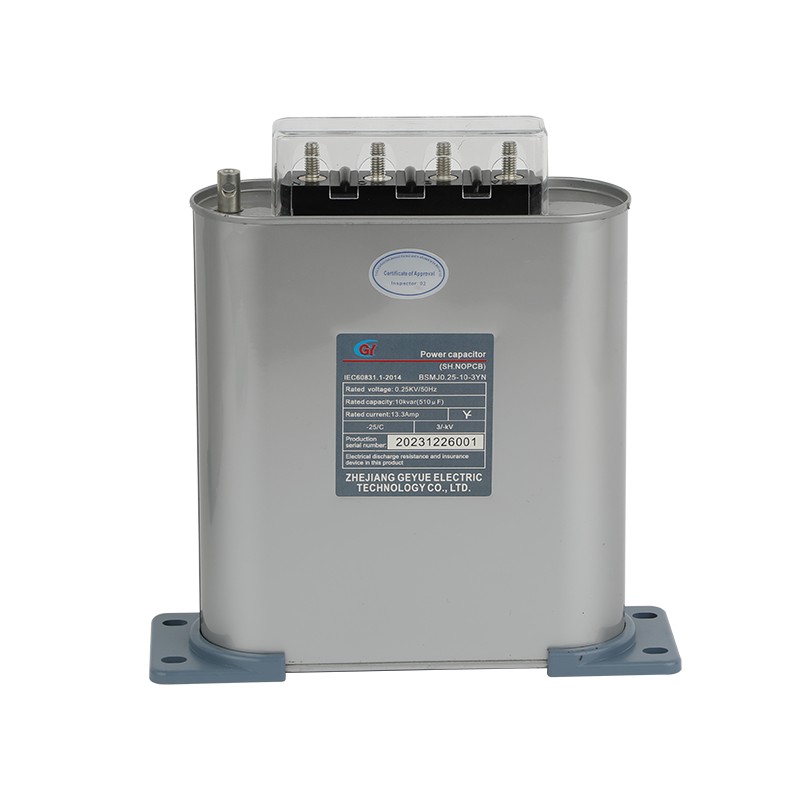
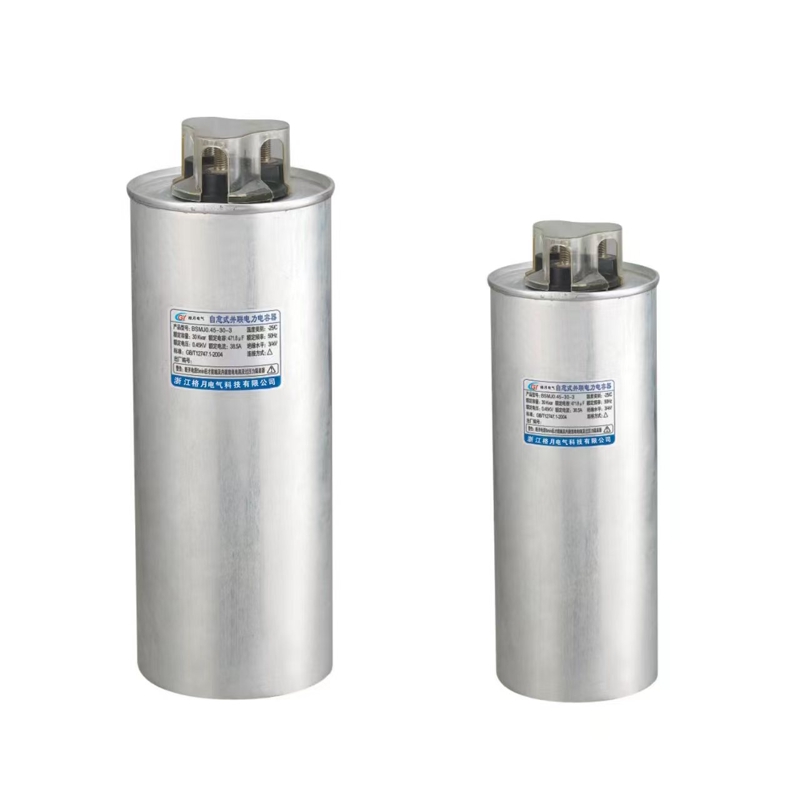
So, how can modern power systems address this issue without inflating maintenance budgets? The answer lies in self-healing shunt capacitor technology.
The Principle: How Self-Healing Technology Works in Practice
"When people hear the term 'self-healing,' they often dismiss it as marketing jargon," explains [Name/Title, e.g., Senior Power Quality Expert at Company Name]. "In reality, it relies on simple physics, though it demands extreme precision during the manufacturing process."
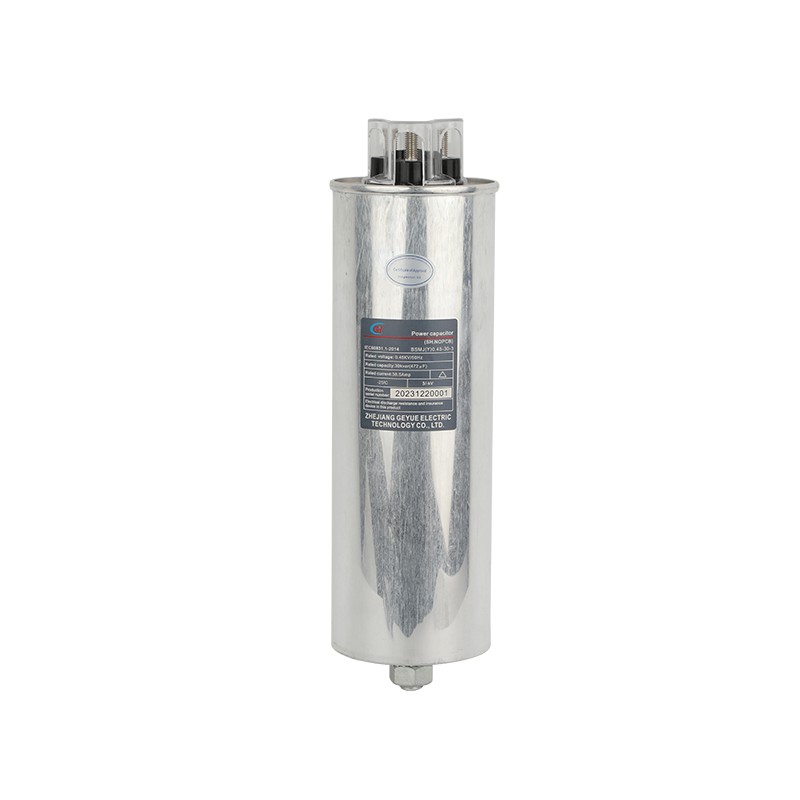
Here is what happens inside a modern self-healing shunt capacitor when dielectric breakdown occurs:
1. Micro-breakdown: When a localized high-voltage surge punctures the polypropylene film dielectric, a tiny micro-arc forms at the weak point. 2. Instantaneous Vaporization: Within microseconds, the intense heat from the arc vaporizes the ultra-thin metal layer (usually zinc or aluminum) surrounding the puncture site. 3. Millisecond-scale Isolation: The vaporized metal recedes from the arc site, creating an insulating margin. The short circuit is instantly cleared before the main circuit breaker can trip.
During this event, the capacitor loses less than 0.001% of its total capacitance and remains fully operational without human intervention.
Beyond "Self-Healing"
While self-healing film can handle routine micro-faults, true system reliability requires multiple layers of protection. Field data shows that self-healing alone cannot solve problems if equipment is subjected to prolonged overheating or severe harmonic resonance. To meet industrial-grade requirements, modern shunt capacitors employ a three-layer safety architecture:
● Dry-type/Eco-friendly resin encapsulation: Eliminates toxic oil leaks and reduces fire risks in high-temperature environments. ● Overpressure disconnector: If internal gas pressure rises excessively due to accumulated self-healing events, the top diaphragm expands and safely disconnects all three phases before a rupture occurs. ● Segmented film grid: An advanced metallized film pattern confines vaporization to microscopic areas, extending service life to over 100,000 hours in compliance with IEC 60831 standards.
Field ROI: Key metrics for engineering teams
Upgrading to premium self-healing shunt capacitors is not merely an electrical engineering decision; it is a financial one. Plant managers tracking long-term operating expenses (OPEX) typically observe three significant changes:
● Zero utility surcharges: With capacitor availability reaching 99.9%, persistent low power factor penalties are eliminated. ● Reduced transformer losses: Lower reactive current reduces total kVA demand, freeing up transformer capacity to accommodate additional facility loads. ● Reduced maintenance man-hours: Engineering staff spend significantly less time replacing swollen or aged capacitor housings during scheduled shutdowns.
About geyue
geyue is a globally renowned developer of power quality solutions, specializing in high-performance power factor correction capacitors, harmonic filters, and power monitoring hardware. Backed by rigorous laboratory testing and decades of field engineering experience, our self-healing shunt capacitors help industrial facilities worldwide stabilize their power grids and minimize operational risks.
To download our white paper on "Optimizing Capacitor Bank Lifespan in High-Harmonic Environments" or to request a power quality audit, please visit https://www.geyuecapacitor.com/
We use cookies to offer you a better browsing experience, analyze site traffic and personalize content. By using this site, you agree to our use of cookies. Privacy Policy