Can Split-Phase Compensation Solve Three-Phase Load Imbalance?
Three-phase systems are designed for balanced operation, but real electrical loads are often uneven.
A factory may have single-phase welding machines, lighting loads, office equipment or other equipment distributed unevenly across phases.
What Happens With an Unbalanced Load?
When the phase loads are different, the reactive power requirement can also differ between phases.
If the compensation system treats all three phases as one balanced load, the compensation may not be accurate.
How Does Split-Phase Compensation Work?
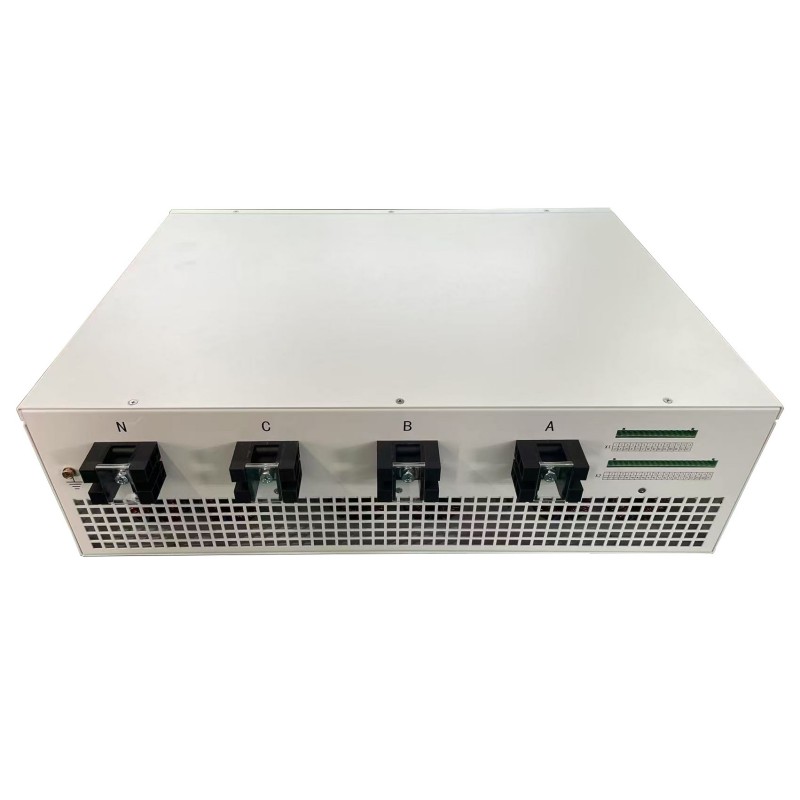
Split-phase compensation allows capacitor switching to be controlled separately according to the reactive power demand of individual phases.
This provides more precise compensation for unbalanced systems.
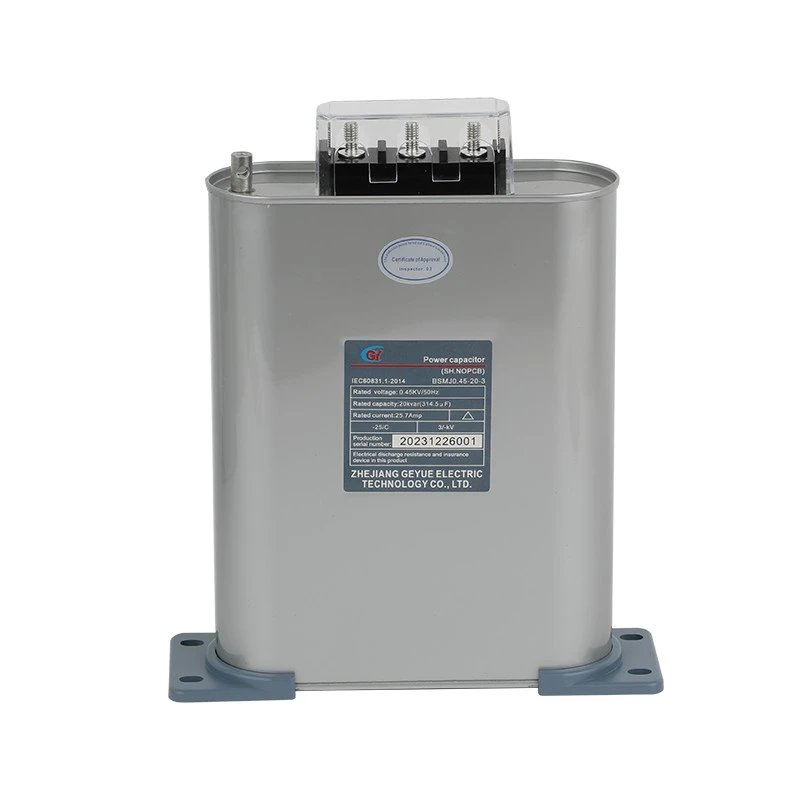
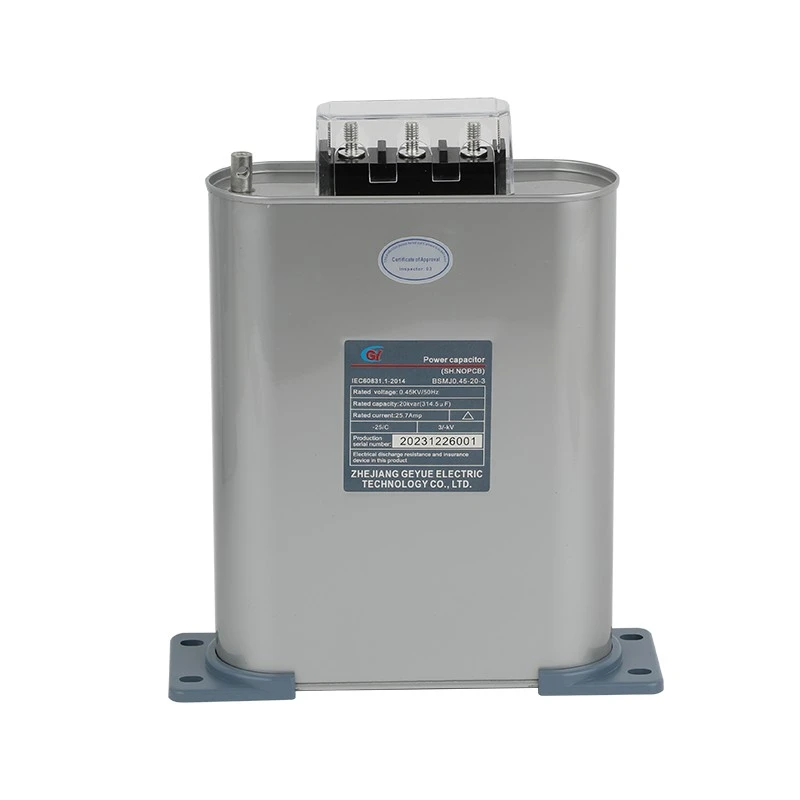
Geyue BSMJ(Y)
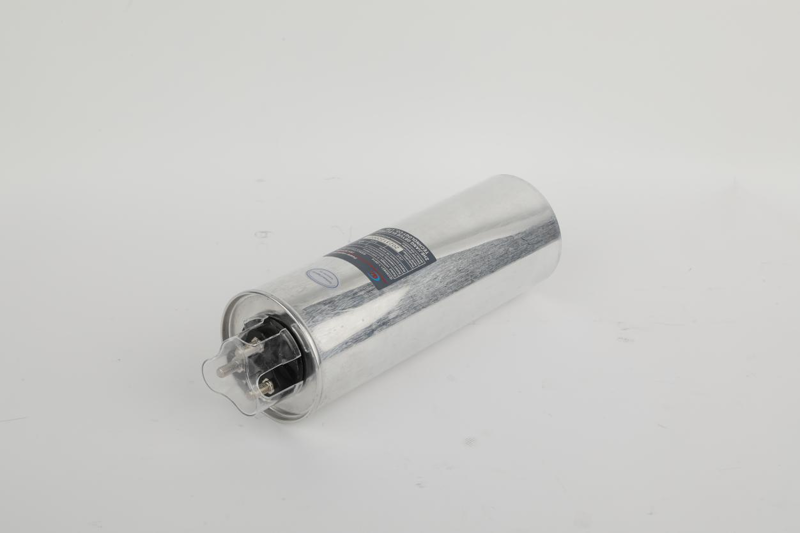
Geyue Electric's BSMJ(Y) split-phase compensation three-phase cylindrical self-healing shunt capacitor includes a neutral point leading terminal designed to facilitate split-phase switching.
The company specifically positions this configuration for three-phase systems with unbalanced loads.
When Should Engineers Consider It?
Split-phase compensation may be worth evaluating for:
· Welding workshops
· Commercial buildings
· Mixed single-phase and three-phase loads
· Manufacturing facilities
· Construction sites
· Uneven distribution systems
The final choice should be based on actual phase measurements rather than assumptions.
Next :
-
Related News
- Why Do Capacitor Banks Need Capacitor Duty Contactors?
- How Do Series Reactors Protect Capacitor Compensation Systems?
- What Is the Difference Between a Power Capacitor and an Intelligent Capacitor?
- Are Self-Healing Shunt Capacitors Suitable for Industrial Applications?
- Why Does a Factory Need an Automatic Power Factor Controller?
- Can a Power Capacitor Reduce Electricity Losses in a Factory?
Leave me a message