Can a Power Capacitor Reduce Electricity Losses in a Factory?
Factories often operate large numbers of motors, pumps, compressors and other inductive equipment. These loads can create significant reactive power demand.
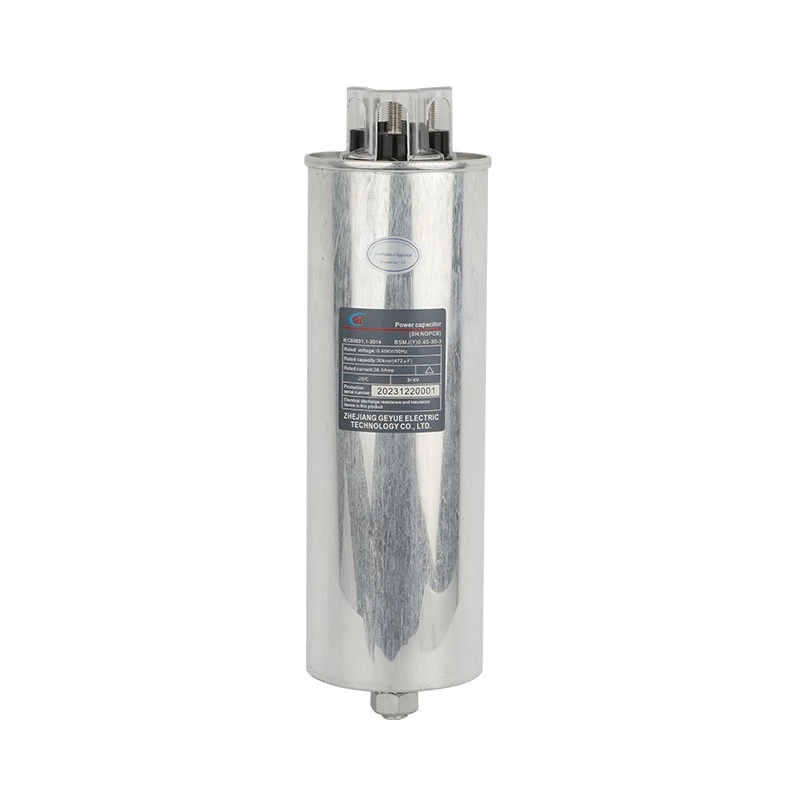
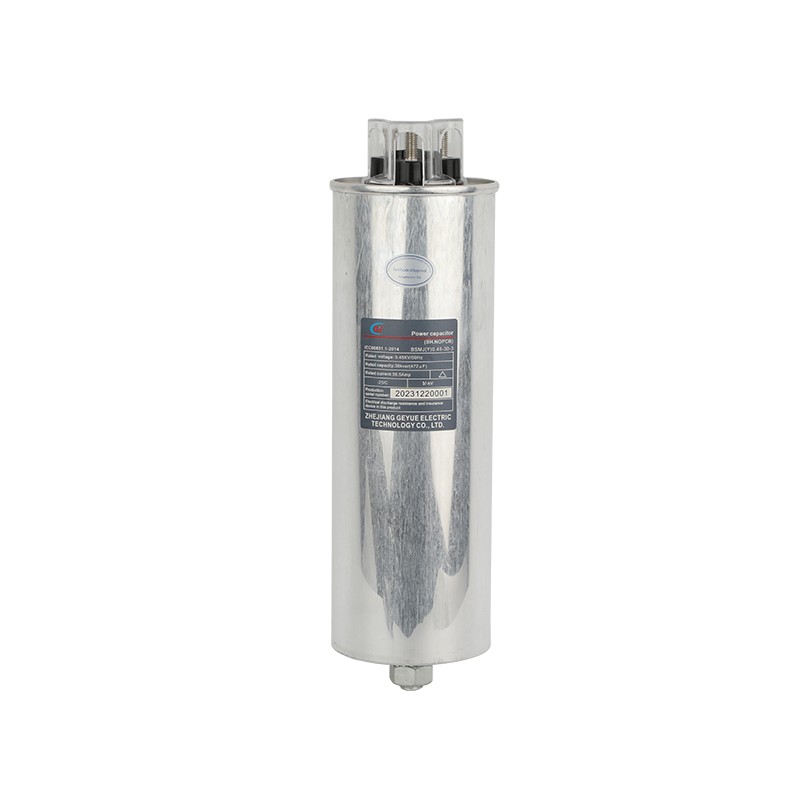
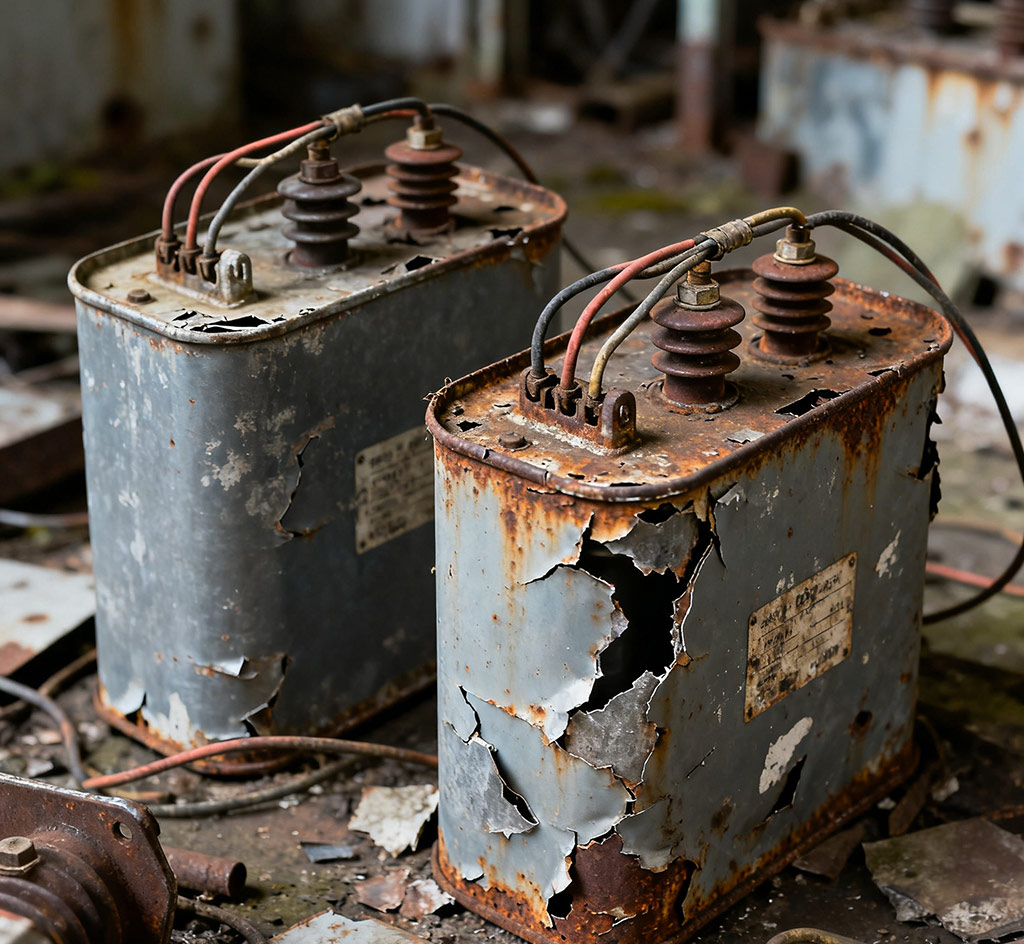
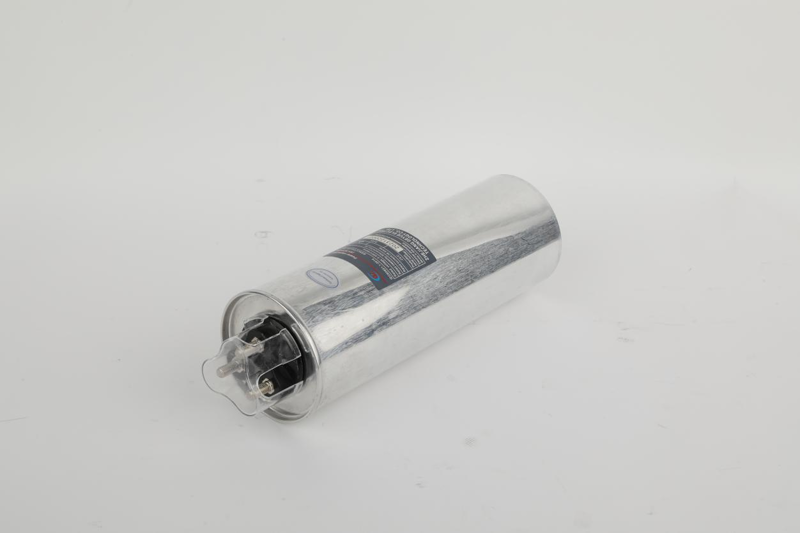
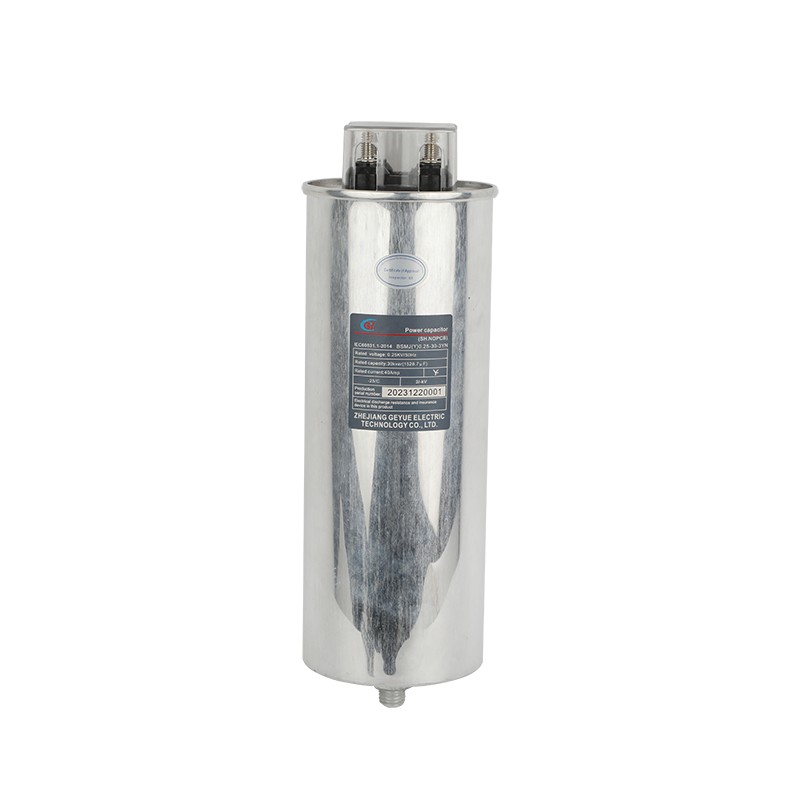
A power capacitor can compensate part of this reactive power locally.
Where Do the Losses Come From?
When reactive current travels through cables and transformers, it contributes to copper losses.
The higher the current, the greater the I²R loss in conductors.
By supplying reactive power closer to the load, a capacitor can reduce the reactive component of current flowing through upstream equipment.
Does a Capacitor Reduce the Factory's Total Electricity Consumption?
This question requires a careful answer.
A capacitor does not make motors mechanically consume less active power simply because a capacitor has been installed.
Its main role is reactive power compensation and power factor improvement.
However, reducing unnecessary reactive current can improve the utilization of the distribution system and reduce associated electrical losses.
Where Does It Make the Most Sense?
Power factor correction is particularly useful in:
- Manufacturing plants
- Metal processing facilities
- Pumping stations
- Compressor rooms
- Large commercial buildings
- Data and infrastructure facilities
- Industrial distribution networks
The Importance of Correct Sizing
An oversized capacitor bank can lead to overcompensation and undesirable operating conditions.
For variable loads, automatic capacitor switching is usually more appropriate than permanently connecting the entire capacitor bank.
Geyue's PFC Components
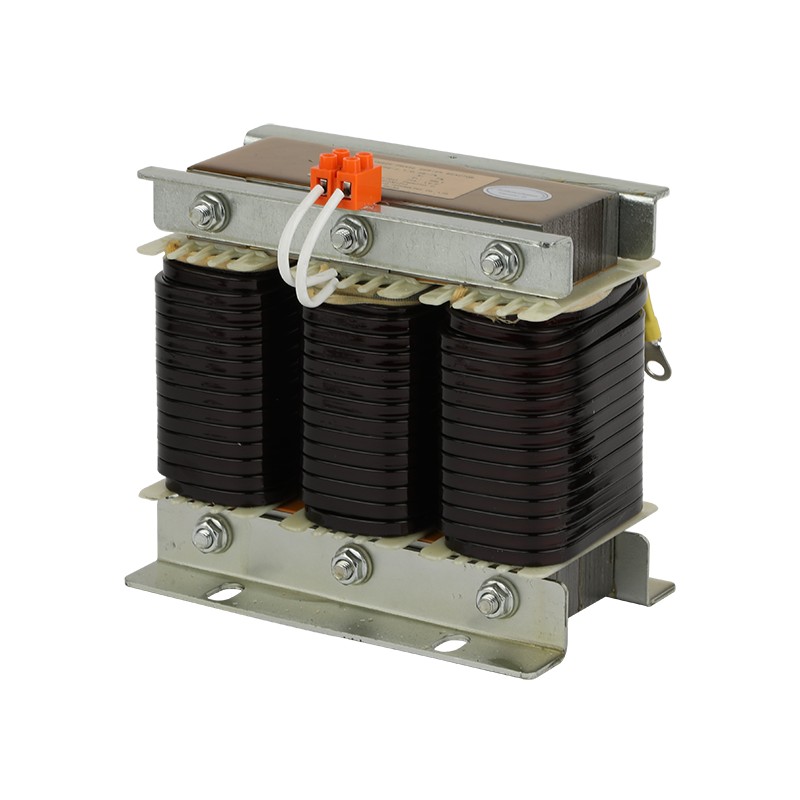
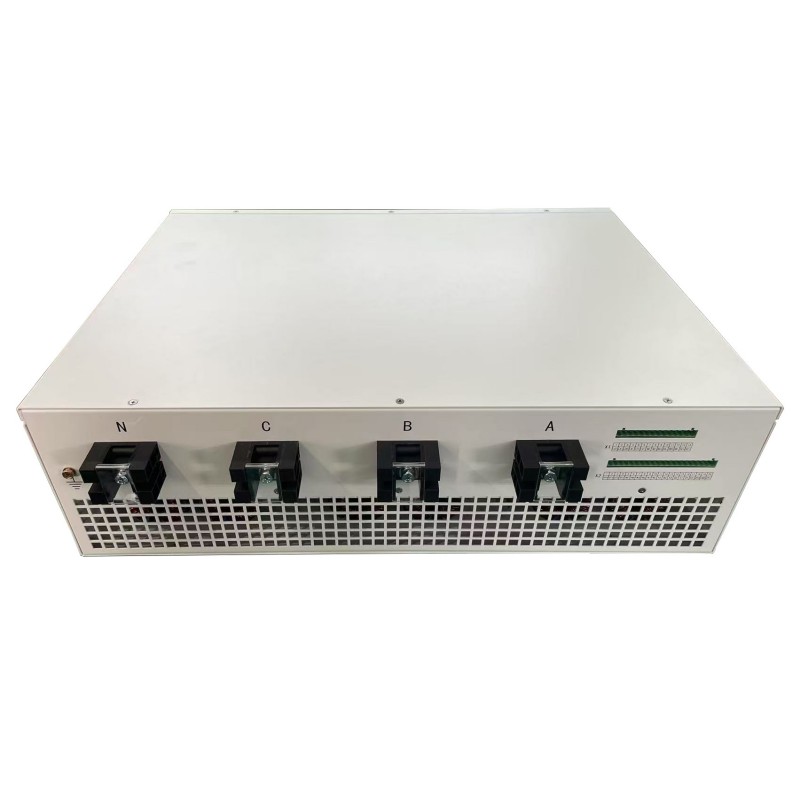
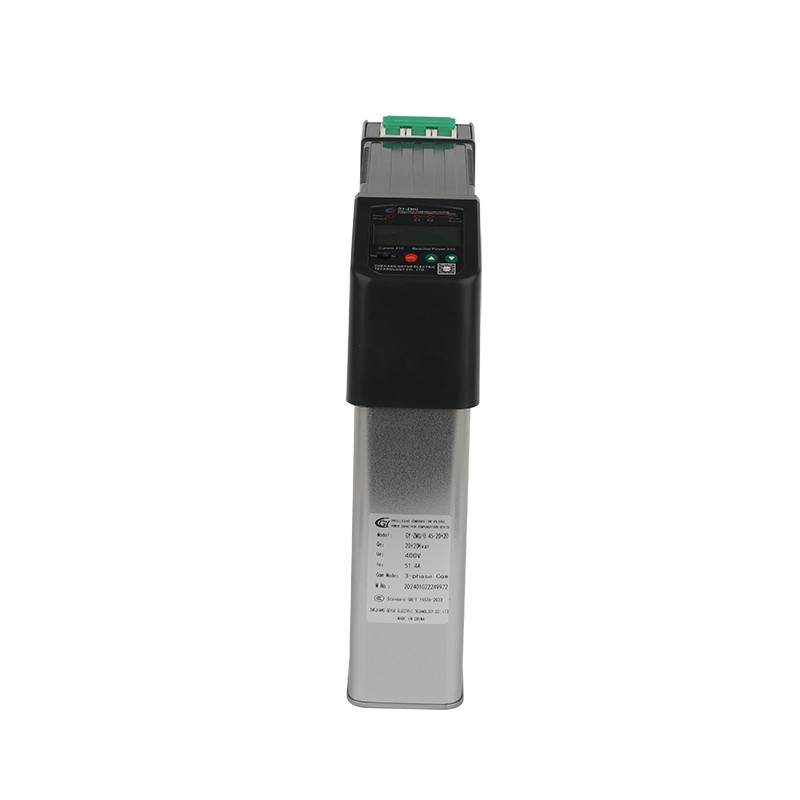
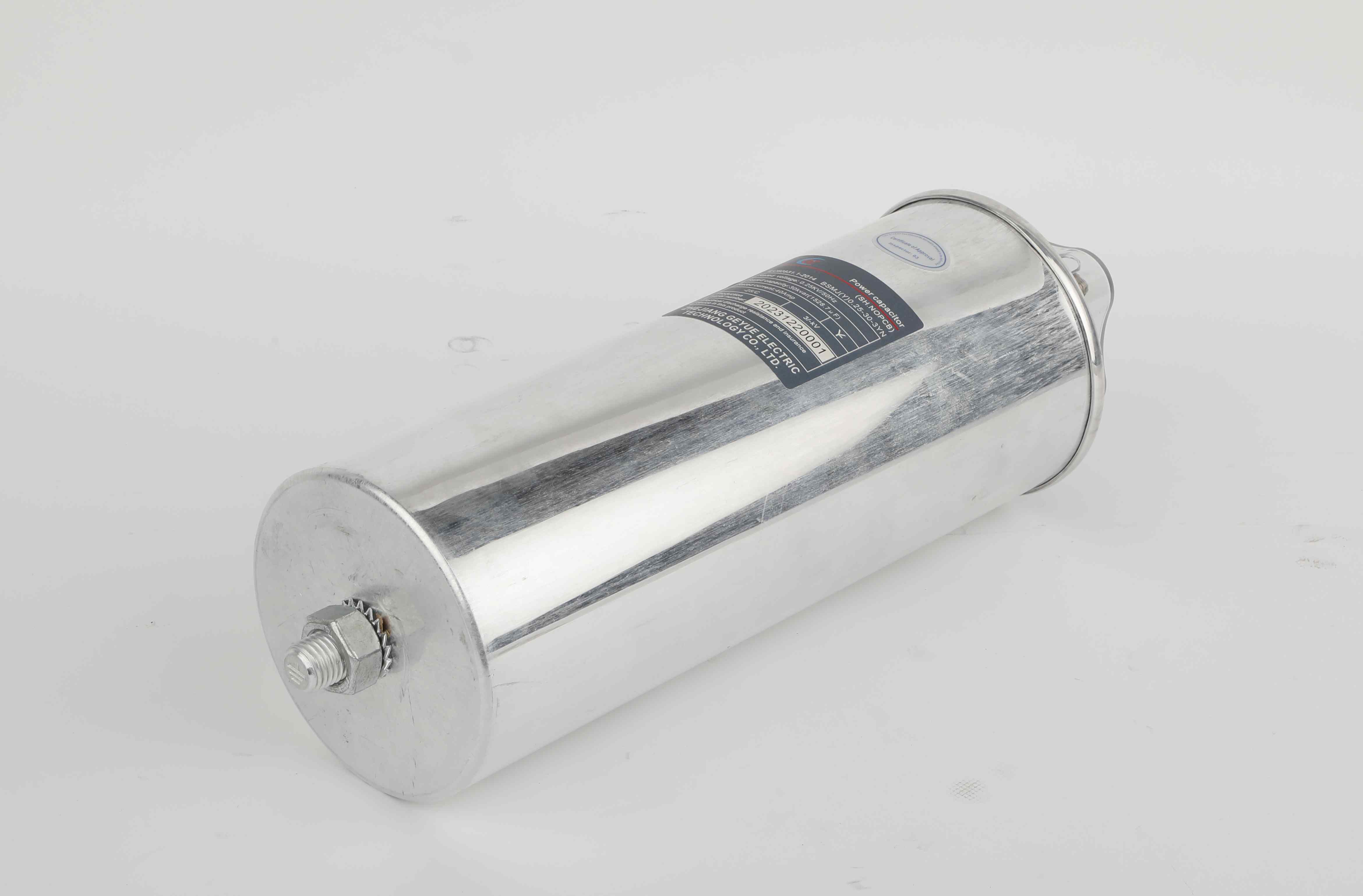
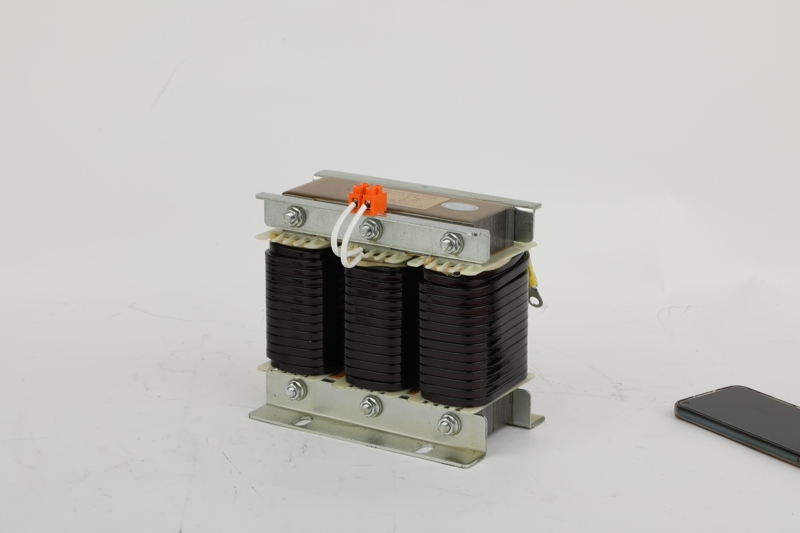
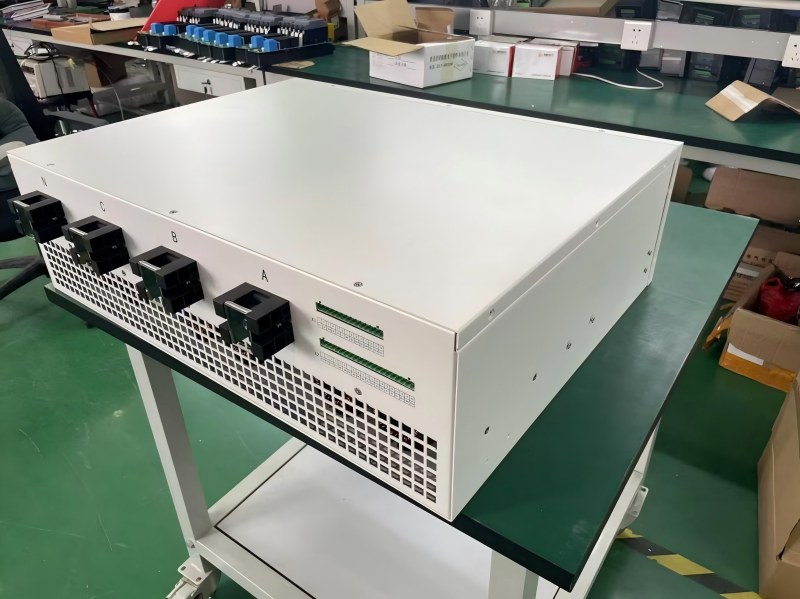
Geyue Electric provides self-healing shunt capacitors, intelligent capacitors, APFC controllers, compound switches and series reactors for low-voltage reactive power compensation applications.
Conclusion
Power capacitors should be viewed as part of an electrical efficiency strategy. Proper sizing and control are more important than simply installing a large amount of capacitance.
Related News
- What Is the Difference Between a Power Capacitor and an Intelligent Capacitor?
- Are Self-Healing Shunt Capacitors Suitable for Industrial Applications?
- Why Does a Factory Need an Automatic Power Factor Controller?
- What Should Engineers Check Before Choosing a Low Voltage Power Capacitor?
- Why Are Self-Healing Shunt Capacitors Widely Used in Low-Voltage Power Systems?
- What Makes a Good AC Contactor Supplier?
Leave me a message