What Should Engineers Check Before Choosing a Low Voltage Power Capacitor?
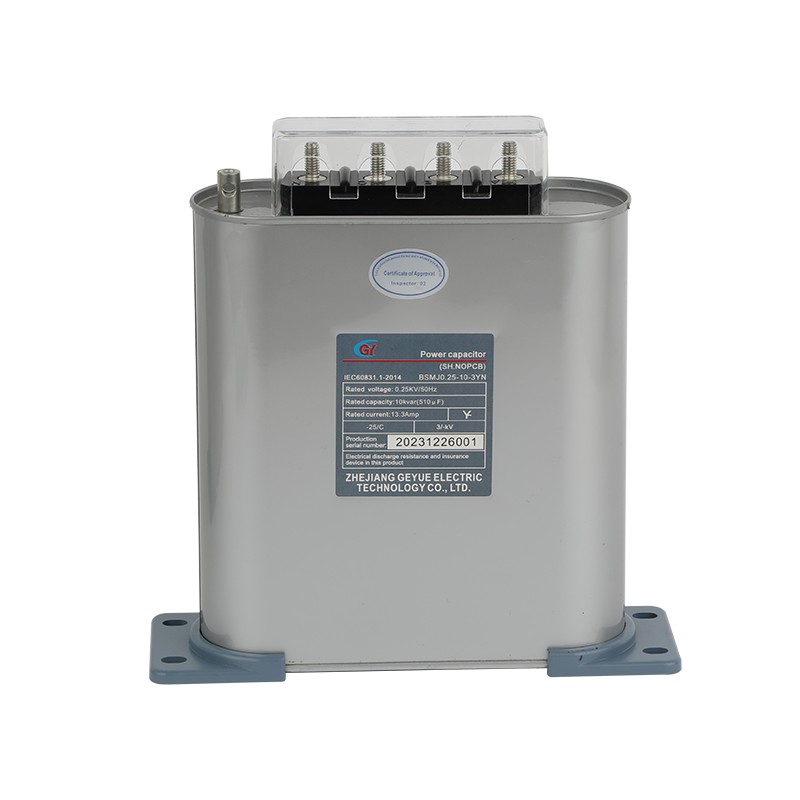
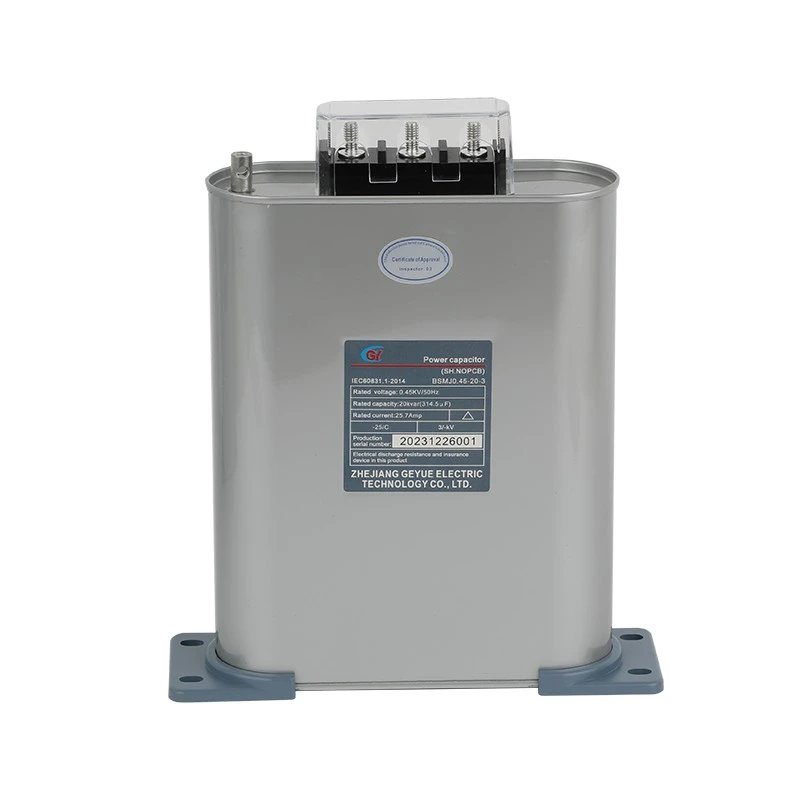
Choosing a low-voltage power capacitor based only on kvar rating is risky. Several electrical and environmental parameters should be checked before an order is placed.
1. Rated Voltage
The capacitor's rated voltage must match the actual electrical system.
A capacitor intended for one voltage level should not simply be substituted into another system because the physical dimensions appear similar.
2. Reactive Power
The required kvar determines how much reactive power the capacitor needs to provide.
A system with a large number of motors may require several capacitor steps instead of one large fixed capacitor.
3. Frequency
Frequency is another basic parameter. Industrial power systems commonly operate at 50 Hz or 60 Hz, depending on the market.
4. Harmonic Conditions
This point is often overlooked.
If the installation contains variable-frequency drives, rectifiers, UPS systems, welding machines or other nonlinear loads, harmonics may affect capacitor operation.
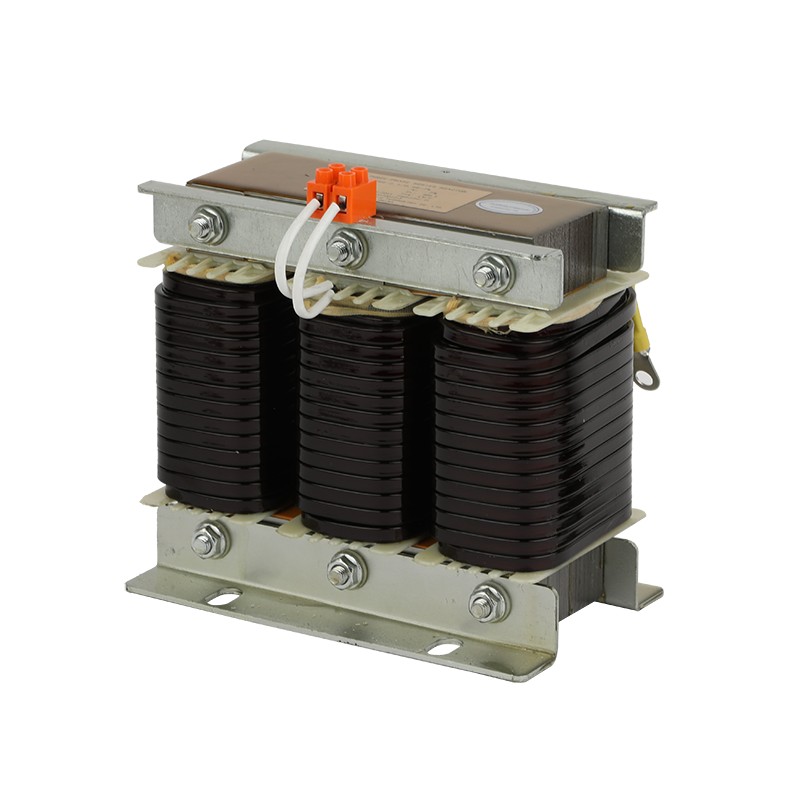
In such cases, a detuned reactor may be required.
5. Ambient Temperature
Capacitors installed in hot electrical cabinets experience additional thermal stress. Cabinet ventilation and capacitor temperature characteristics should therefore be considered during system design.
6. Switching Frequency
Automatic compensation systems may switch capacitor stages many times during operation.
The switching device should therefore be suitable for capacitor switching rather than selected only according to ordinary motor-load requirements.
Geyue Electric
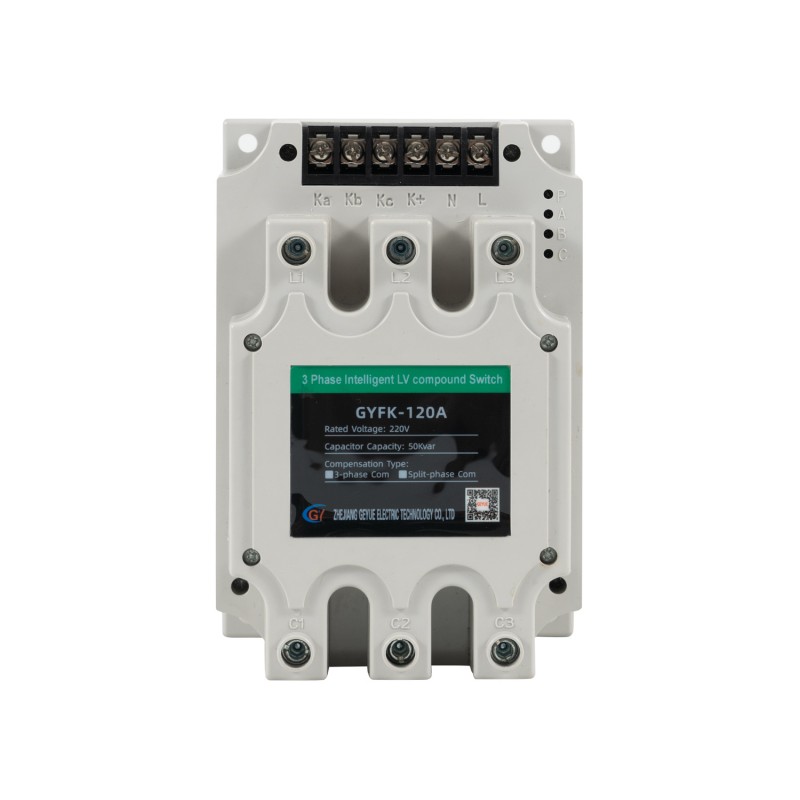
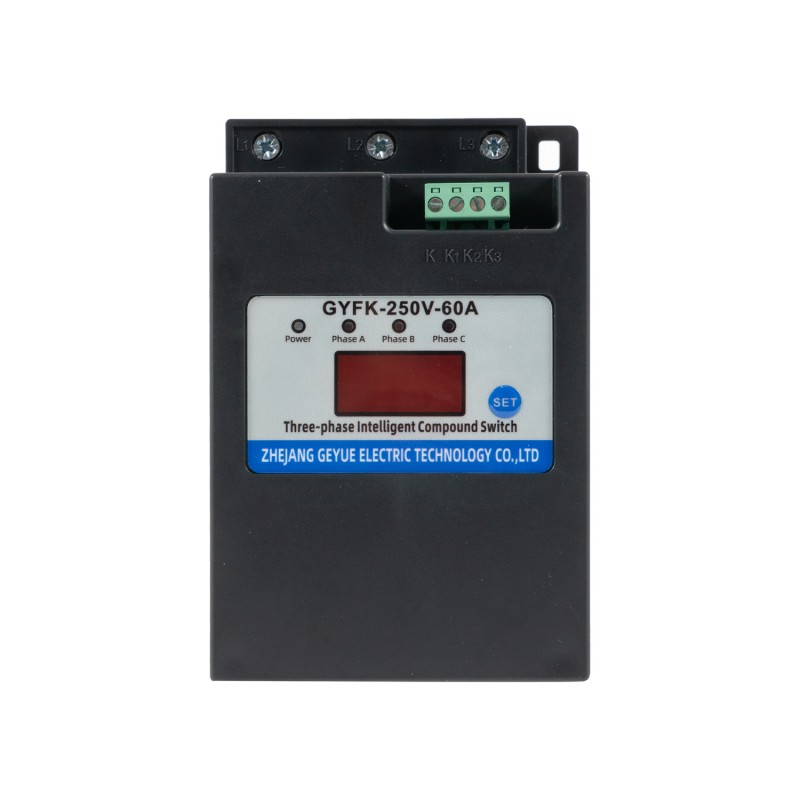
Geyue Electric's product range includes power capacitors, APFC controllers, capacitor contactors, compound switches and series reactors. This allows the company to address several of the main components involved in low-voltage reactive power compensation.
Conclusion
A suitable capacitor is the result of electrical calculation and application analysis. Voltage, kvar, harmonics, temperature and switching conditions should all be reviewed before purchasing.
Related News
- What Is the Difference Between a Power Capacitor and an Intelligent Capacitor?
- Are Self-Healing Shunt Capacitors Suitable for Industrial Applications?
- Why Does a Factory Need an Automatic Power Factor Controller?
- Can a Power Capacitor Reduce Electricity Losses in a Factory?
- Why Are Self-Healing Shunt Capacitors Widely Used in Low-Voltage Power Systems?
- What Makes a Good AC Contactor Supplier?
Leave me a message