With the Trend of Fully Realizing the Integration of Photovoltaic, Energy Storage and Charging in Industrial and Commercial Parks, How Should the Low-Voltage Reactive Power Compensation System Be Uniformly Scheduled and Coordinated in the Future?
An Unstoppable Tide of the Times
An energy revolution driven by photovoltaics, energy storage, and electric vehicle charging stations is unfolding across industrial and commercial parks worldwide. This is not only a transformation of the energy structure but also an incisive reshaping of traditional power grid operation. The intermittency of photovoltaics, the bidirectional power flow of energy storage systems, and the random high-load characteristics of charging stations combine to exacerbate power fluctuations in industrial and commercial park power grids from minute-level to second-level and even millisecond-level, leading to increasingly complex power quality problems such as voltage exceeding limits, three-phase imbalance, and harmonic pollution. Faced with this wave, traditional, isolated, and passive low-voltage reactive power compensation methods are no longer sustainable. A global consensus is forming in the power industry: future low-voltage reactive power compensation systems must transform from independent "firefighters" to "intelligent coordinators" and "system stabilizers" integrated into the photovoltaic-storage-charging microgrid systems.

The Evolution from Isolated Units to a Collaborative System
The core of unified scheduling and coordination of future low-voltage reactive power compensation systems lies in building an intelligent system with "global perception, hierarchical decision-making, and flexible adjustment." This is by no means a simple linkage between low-voltage reactive power compensation devices, but a profound upgrade of the system operation paradigm.
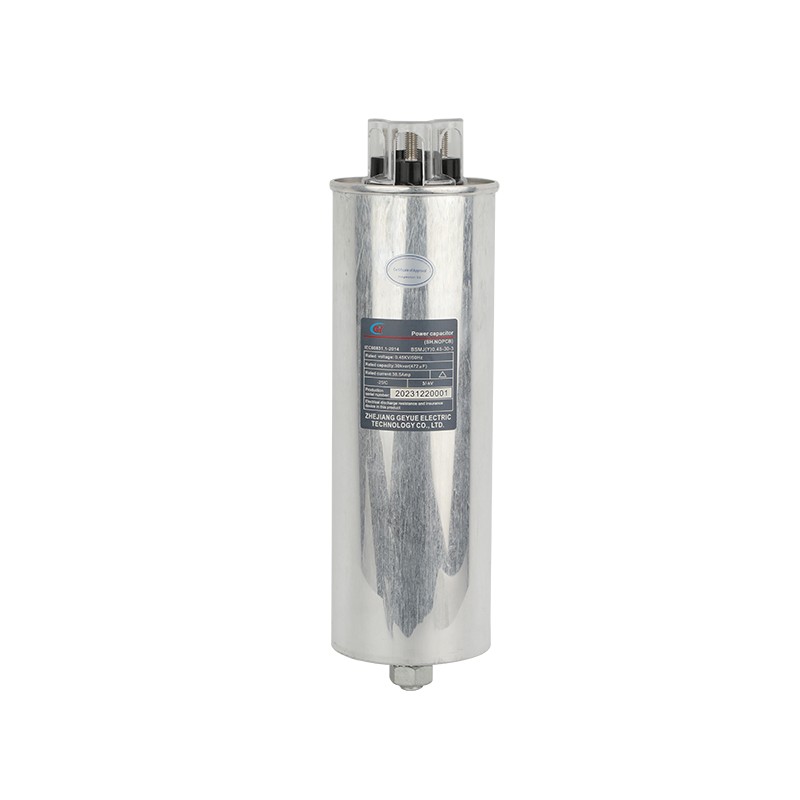
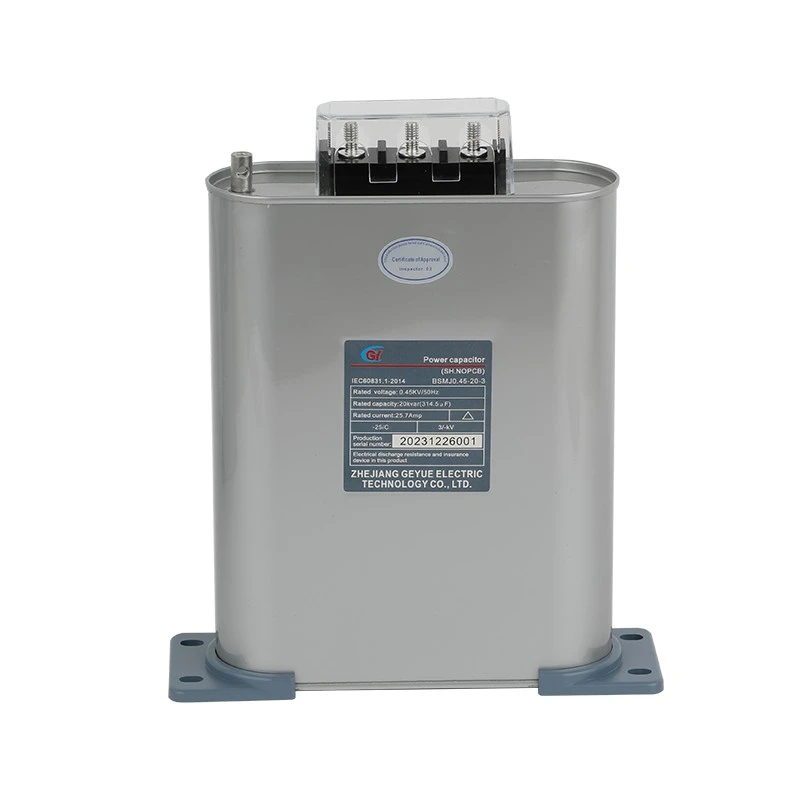
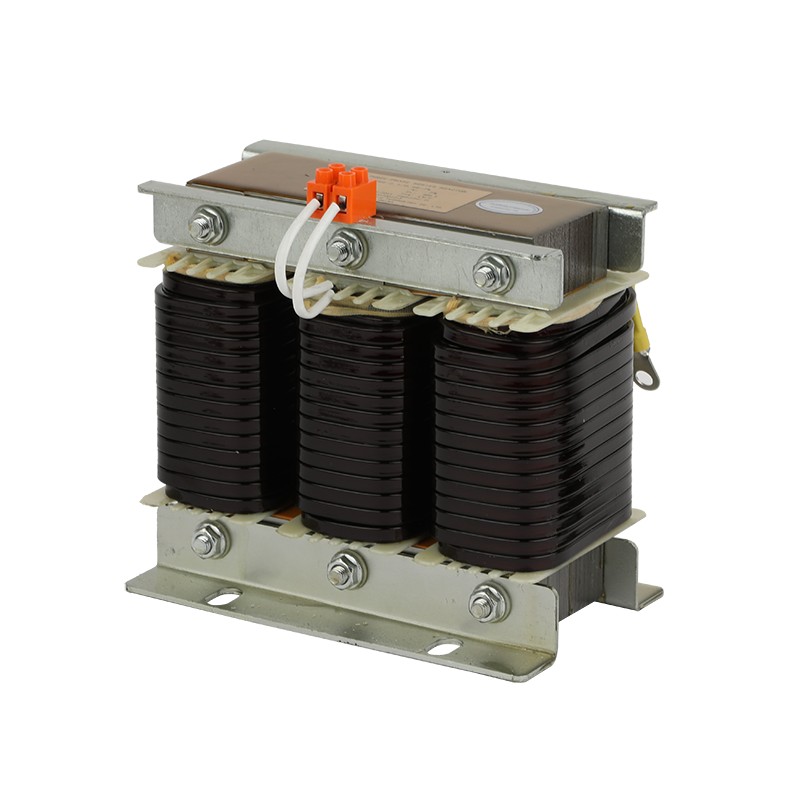
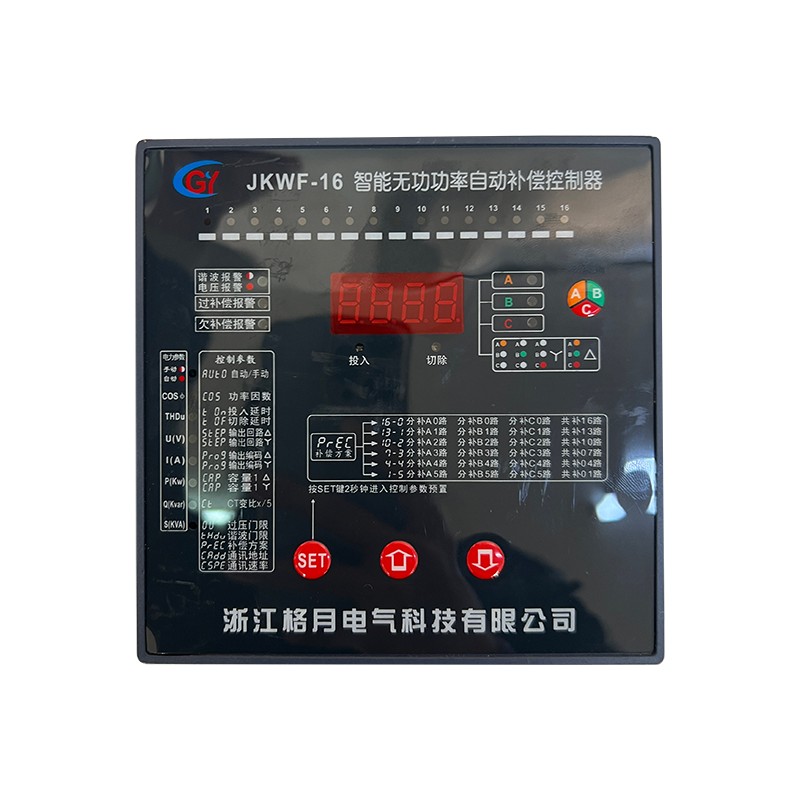
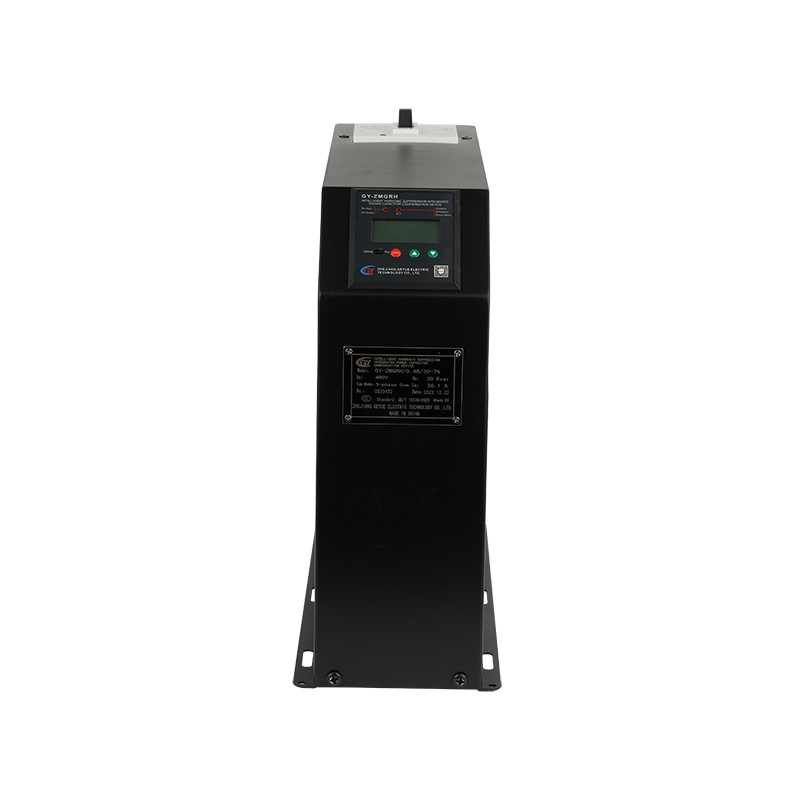
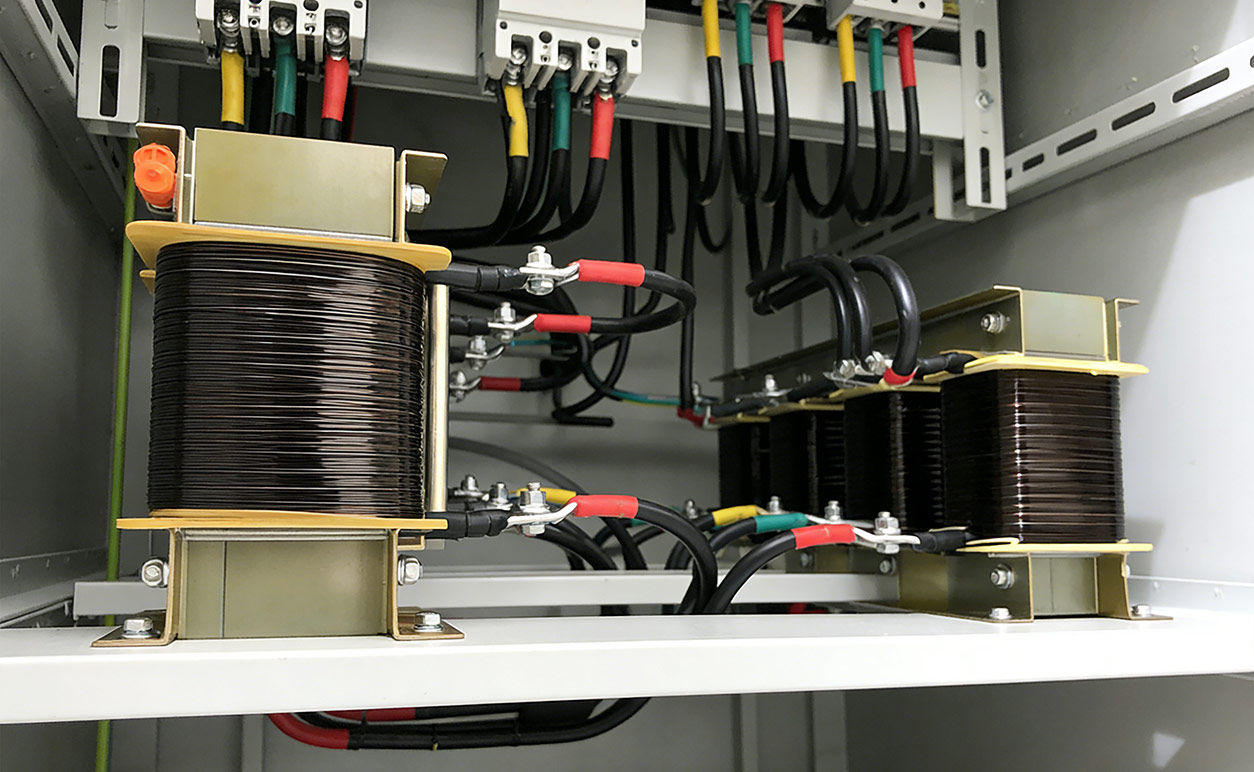
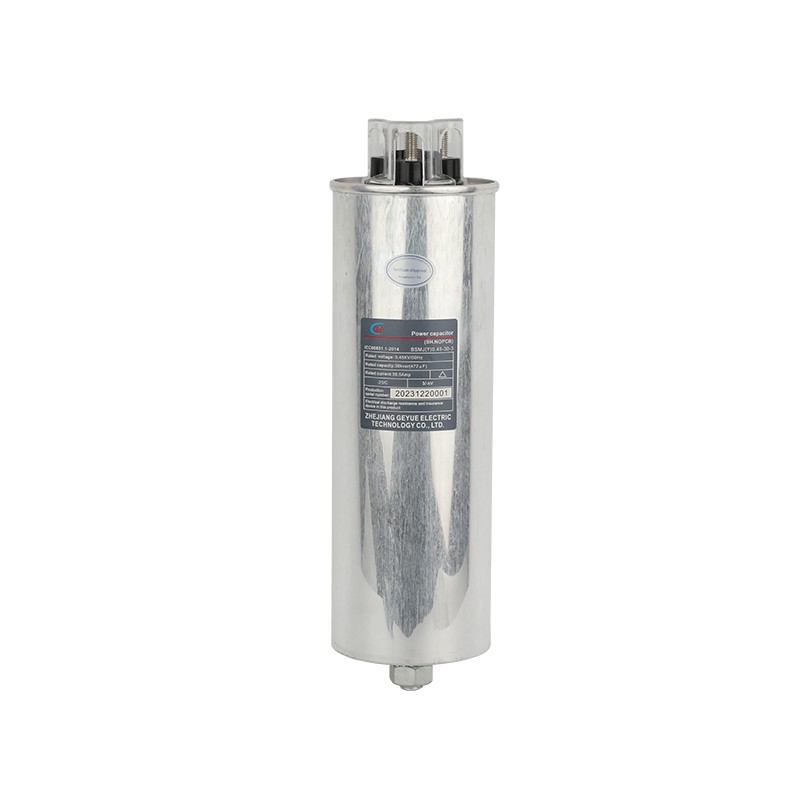
The first layer of collaboration occurs at the reactive power compensation device level. The most advanced reactive power compensation solutions treat photovoltaic inverters, power storage converters (PCS), and smart charging piles themselves as adjustable reactive power sources. While fulfilling the primary task of active power output, these power electronic devices can rapidly absorb or generate reactive power through technological means. Future low-voltage reactive power compensation systems (such as static var generators) will act as the primary regulators, forming a "master-slave collaborative" relationship with distributed resources. Together, they will construct a "virtual reactive power pool" with considerable flexibility and configurability. Several demonstration projects in Germany and California have already shown that this master-slave collaborative model can increase the overall reactive power regulation capacity of industrial and commercial parks by more than 30%, and significantly reduce the capacity dependence and initial investment of park investors, operators, or owners on traditional dedicated low-voltage reactive power compensation equipment (such as simple capacitor banks and reactor cabinets).
The second layer of collaboration is driven by a "smart brain." An advanced application integrated into the park's energy management platform, typically within a "reactive power-voltage optimization control system" or "active distribution network management system," serves as the central hub for dispatching. It is not a simple monitoring interface, but a decision engine deployed on park servers or in the cloud, based on physical models and artificial intelligence algorithms. This engine utilizes high-precision ultra-short-term photovoltaic power generation and load forecasting, and employs algorithms such as model predictive control to continuously optimize the operation and economy of the entire park power grid in cycles of just a few minutes or even a few seconds, and issues a set of coordinated control commands to all controllable resources. Its goal is to dynamically balance economic benefits (such as reducing total electricity costs and grid losses) with power quality while meeting multiple constraints such as voltage safety and harmonic standards, thereby achieving globally optimized reactive power compensation. This marks a new stage in low-voltage reactive power management, moving from "post-event remediation" to "pre-event prediction and in-event optimization."
The third layer of collaboration points to a broader market future. With the deepening of power market reforms, reactive power regulation resources in industrial parks, possessing rapid response capabilities, are expected to aggregate into a unified whole, similar to energy storage systems in the UK and Australia, and participate in the grid's voltage regulation ancillary services market. This means that the value of a well-managed low-voltage reactive power compensation system will be upgraded from an internal "cost-saving item" to an "asset item" that can be traded externally and generates direct revenue, truly realizing a closed-loop value chain in the story of energy conservation and cost reduction.
The Deep Integration and Practical Applications of Geyue Electric
In response to this global trend of system collaboration, Geyue Electric's strategy is not only to provide low-voltage reactive power compensation equipment, but also to strive to become the most reliable and intelligent "key node" in the future smart energy ecosystem.
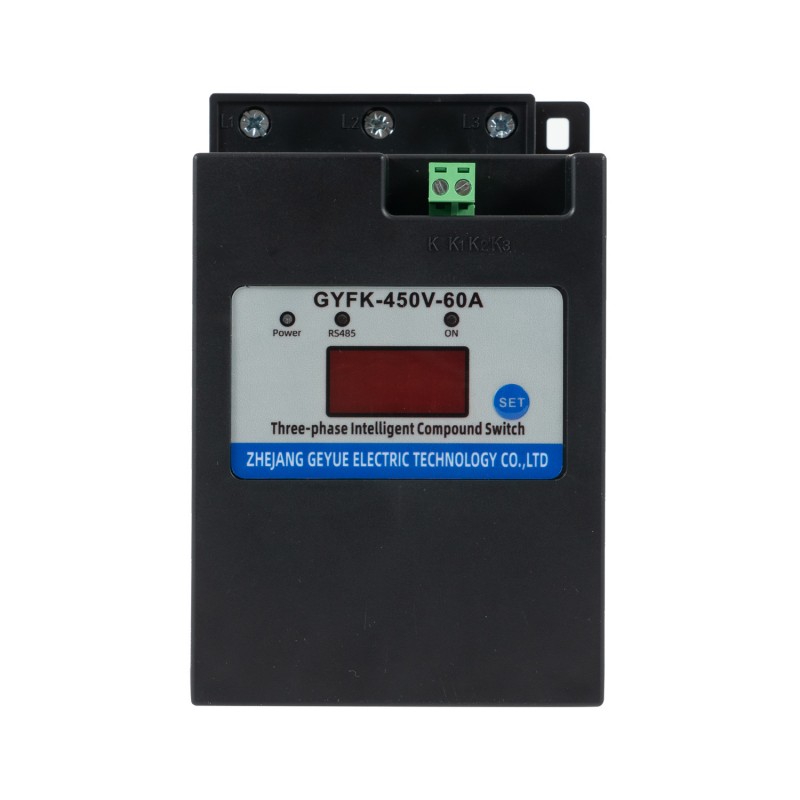
Our company has laid a solid foundation for deep collaboration at the hardware level. The new generation of Geyue Electric's intelligent static var generator (SVG) follows the concept of open systems from the very beginning of its design. Its built-in high-speed communication chip and standardized data model enable it to seamlessly connect with various mainstream energy management platforms. It can not only receive instructions within milliseconds, but also provide real-time feedback on key internal states, making it a reliable "execution terminal" in the scheduling of low-voltage reactive power compensation systems.
Currently, Geyue Electric is collaborating with leading energy IoT companies and universities in China to develop a "Photovoltaic-Storage-Charging Microgrid Collaborative Optimization Control System." This system aims to transform our vision for future low-voltage reactive power management into implementable algorithm modules and system solutions. Looking ahead, in the wave of integrated photovoltaic, storage, and charging systems, low-voltage reactive power compensation systems will no longer be isolated cabinets, but rather "flexible adjustment joints" deeply embedded in the energy internet of industrial and commercial parks. Geyue Electric, with our robust hardware technology and open collaborative philosophy, is helping global industrial and commercial users not only conquer the challenges of energy transformation but also seize the new value opportunities it creates. If you have any confusions on the power quality management, please don’t hesitate to contact us via info@gyele.com.cn.
Related News
- What Is the Difference Between a Power Capacitor and an Intelligent Capacitor?
- Are Self-Healing Shunt Capacitors Suitable for Industrial Applications?
- Why Does a Factory Need an Automatic Power Factor Controller?
- Can a Power Capacitor Reduce Electricity Losses in a Factory?
- What Should Engineers Check Before Choosing a Low Voltage Power Capacitor?
- Why Are Self-Healing Shunt Capacitors Widely Used in Low-Voltage Power Systems?
Leave me a message