From "Penalty-Driven" to "Energy Efficiency-Driven", How Can Low-Voltage Reactive Power Compensation Tell a New Story of Energy Conservation and Cost Reduction?
A Global Revolution in the Energy Management Paradigm
Today, a profound transformation is underway in the global industrial energy management sector. The logic behind past low-voltage reactive power compensation often stemmed from avoiding economic penalties for failing to meet power factor standards—a passive, "penalty-driven" model. However, as major global economies prioritize energy efficiency in their national competitiveness and energy security strategies, this old paradigm is being overturned. The International Energy Agency (IEA) has clearly stated that improving energy efficiency in the industrial sector has become a substantial global concern. Data shows that since 2000, energy efficiency measures have increased the value created per unit of energy consumption in industry by 20%. This means that industrial enterprises' focus on energy conservation and cost reduction is evolving from simply saving on electricity bills to saving on the broader overall energy efficiency bills. The purpose of industrial enterprises proactively implementing low-voltage reactive power compensation and low-voltage power quality management is no longer merely to avoid penalties, but rather a strategic investment to reduce overall energy intensity, improve the efficiency and stability of production equipment, and thus enhance core competitiveness—a "energy efficiency-driven" model. This paradigm shift from "cost avoidance" to "value re-creation" is the prelude to low-voltage reactive power compensation telling a new story of energy conservation and cost reduction.

Technological Leap: Grid Support from Static Compensation to Dynamic Coordination
The global energy transition, particularly the large-scale grid integration of renewable energy, has given low-voltage reactive power compensation technology an unprecedented new mission. Traditional low-voltage reactive power compensation methods are no longer sufficient to cope with the severe voltage fluctuations caused by intermittent power sources such as photovoltaics and wind power. The cutting-edge exploration in the power industry has pointed out the correct direction for us: In Germany, Siemens Energy has collaborated with the grid operator TenneT and has put into operation the world's first E-STATCOM project. This system innovatively integrates many supercapacitors, which can release huge amounts of energy within a few milliseconds, providing "artificial inertia" to the grid, that is, simulating the natural physical inertia provided by traditional synchronous generators to the grid, thereby simultaneously maintaining the voltage and frequency stability of the grid quickly. This signifies that the function of low-voltage reactive power compensation equipment has evolved from a simple "power factor corrector" to a key "active support unit" supporting grid stability and absorbing green electricity.
The "user-side power quality comprehensive management" upgrading tsunami, which migrates from passive response to active support, is sweeping across the global power industry. On the user side, simple power factor capacitor switching is being replaced by more advanced hybrid compensation solutions. For example, by coordinating the control of traditional LC filters and millisecond-response static var generators (SVG), steady-state reactive power and dynamic disturbance issues can be addressed simultaneously, ensuring both efficiency and improved compensation accuracy. Global market data confirms the steady growth of the dynamic compensation market, represented by static var compensators (SVCs), with the Asia-Pacific region being one of the fastest-growing markets for dynamic compensation. Low-voltage reactive power compensation technology is shifting from passively filling reactive power gaps to actively purifying power quality and enhancing grid resilience, becoming a key player in stabilizing the entire power system.
Value Reconstruction: A Multi-dimensional Equation for Energy Conservation and Cost Reduction
Under the new narrative logic, the energy-saving and cost-reducing value of low-voltage reactive power compensation is deconstructed into a three-dimensional equation. Its core direct value remains reducing line and transformer losses caused by reactive power, directly lowering electricity costs. However, its deeper intrinsic value lies in "efficiency protection" for all production assets in the power distribution system. Uncontrolled harmonics and voltage instability in the power grid typically exacerbate the heating and losses of production assets such as motors, frequency converters, and precision control equipment, shortening their lifespan and increasing maintenance costs. A high-quality low-voltage reactive power compensation device and filter system act like a "stabilizer" for the production line, improving the overall equipment efficiency (OEE) of all electrical equipment.
From cost savings to energy efficiency improvement, the entire logical chain of low-voltage reactive power compensation technology is moving in the next stage towards a more macroscopic direction of "system service monetization". In the UK, large-scale battery energy storage systems have helped users manage voltage by providing "reactive power regulation services", thereby securing long-term and high-value service contracts for service providers. This reveals a future scenario: with the deepening of electricity market liberalization, user-side distributed resources (including intelligent reactive power compensation systems) may participate in system regulation, transforming energy-saving capabilities into new revenue streams. The story of energy conservation and cost reduction told by low-voltage reactive power compensation technology thus adds a new chapter of "value monetization."
The Global Vision and Local Practice of Geyue Electric
Recognizing this global trend, Geyue Electric, a pioneer in the global low-voltage reactive power compensation field, deeply understands that the key to achieving the leap from "penalty-driven" to "energy efficiency-driven" rests with transforming cutting-edge global technological concepts into reliable solutions adapted to global industrial scenarios.
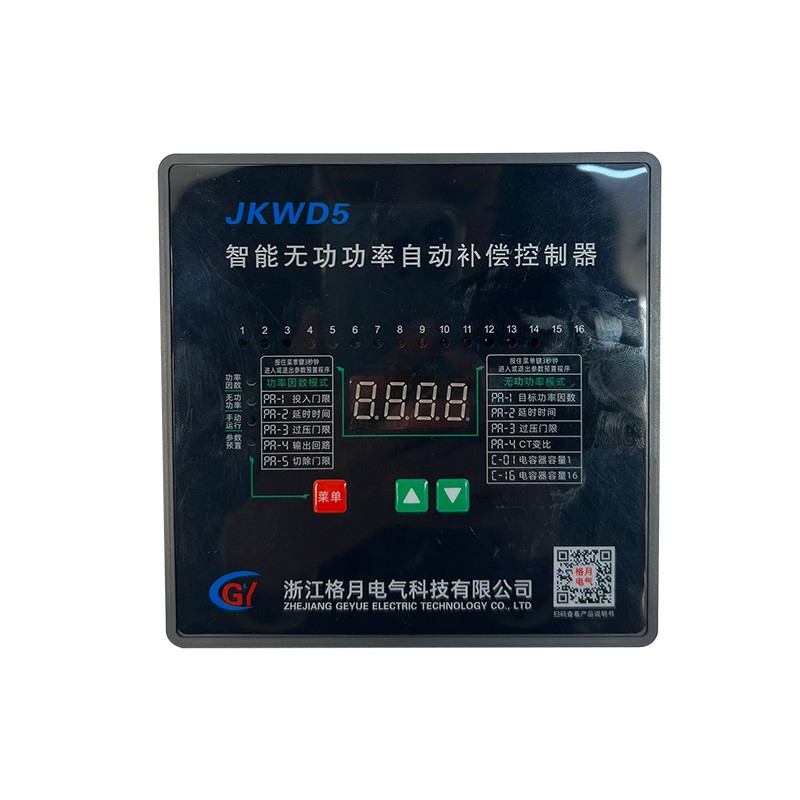
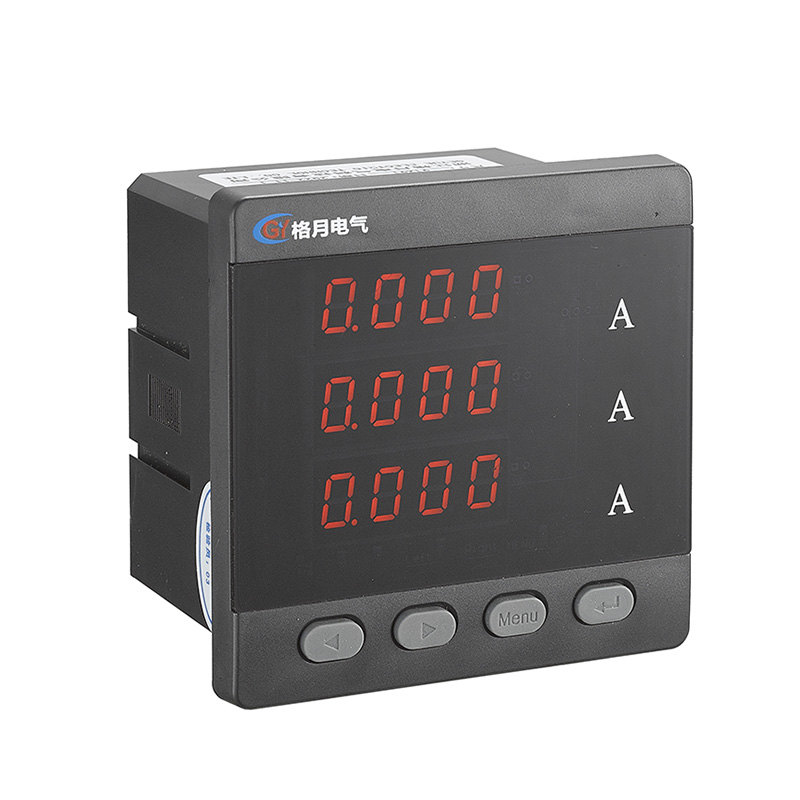
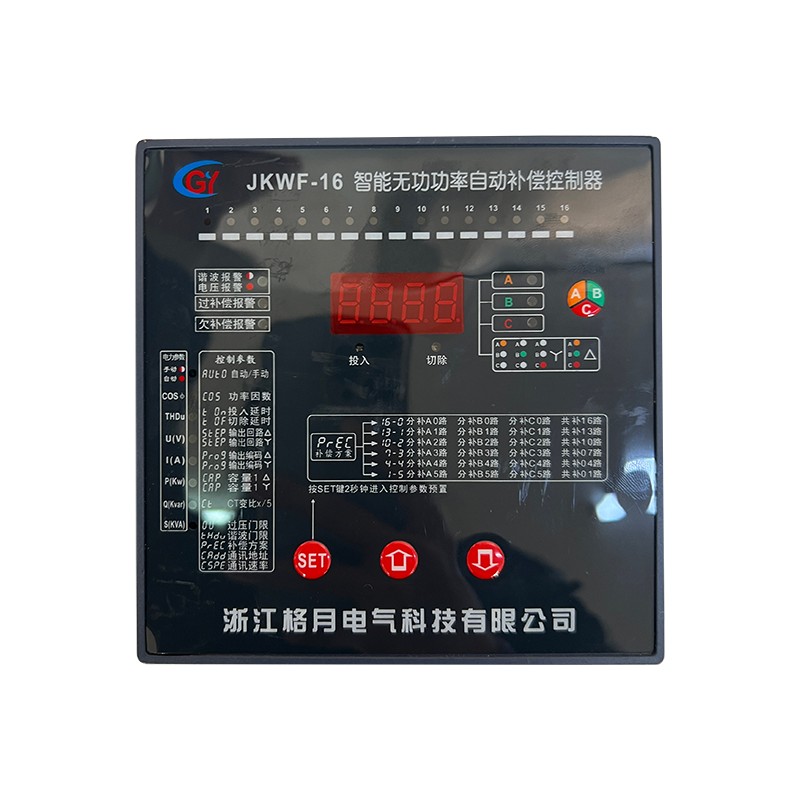
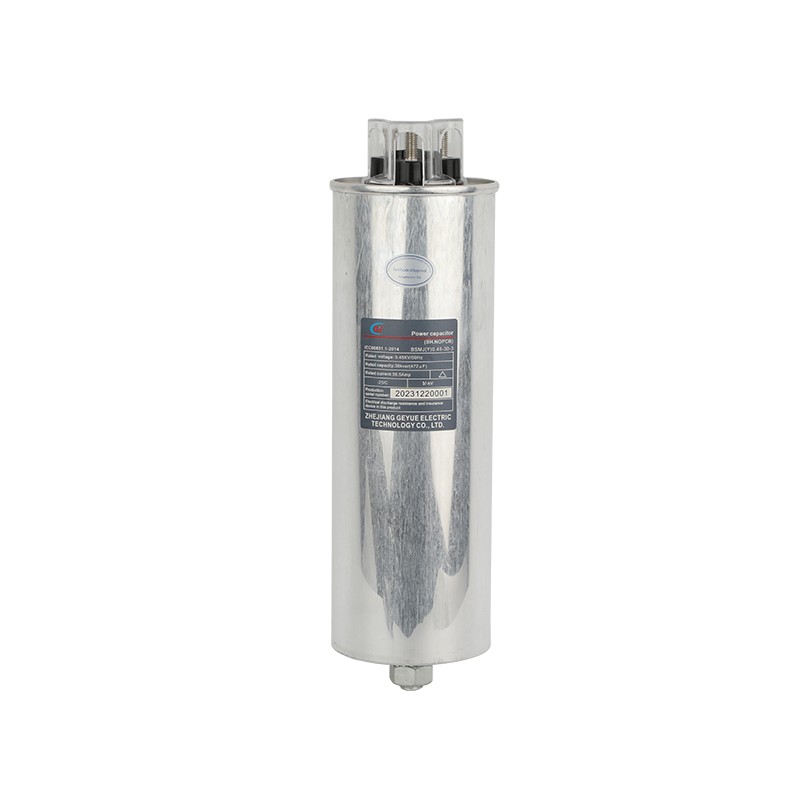
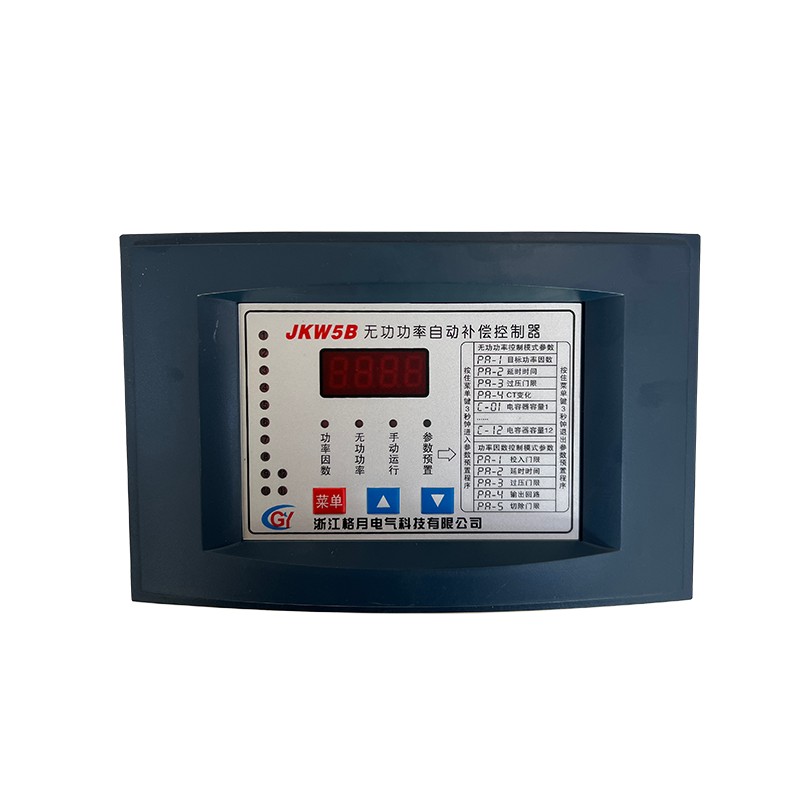
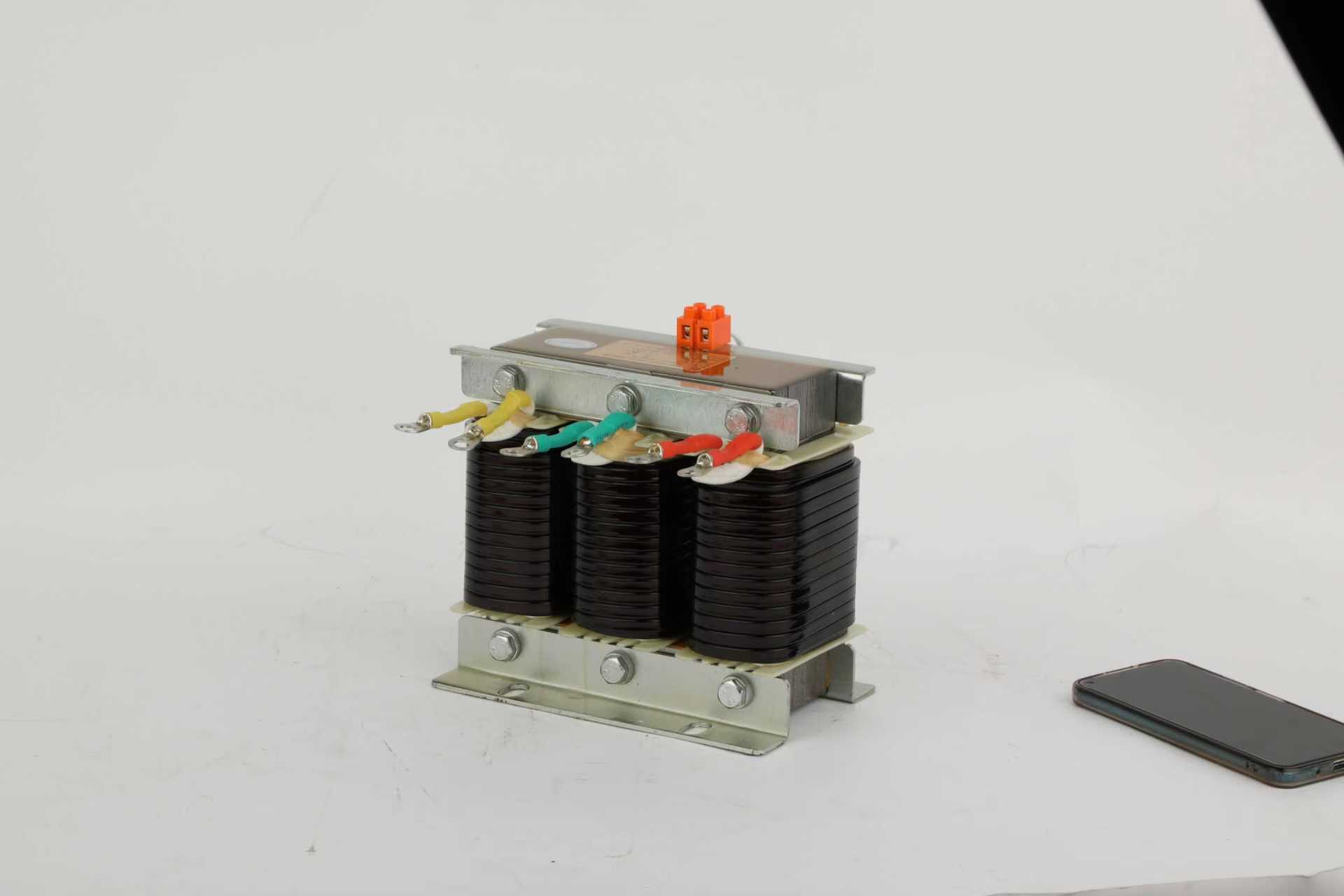
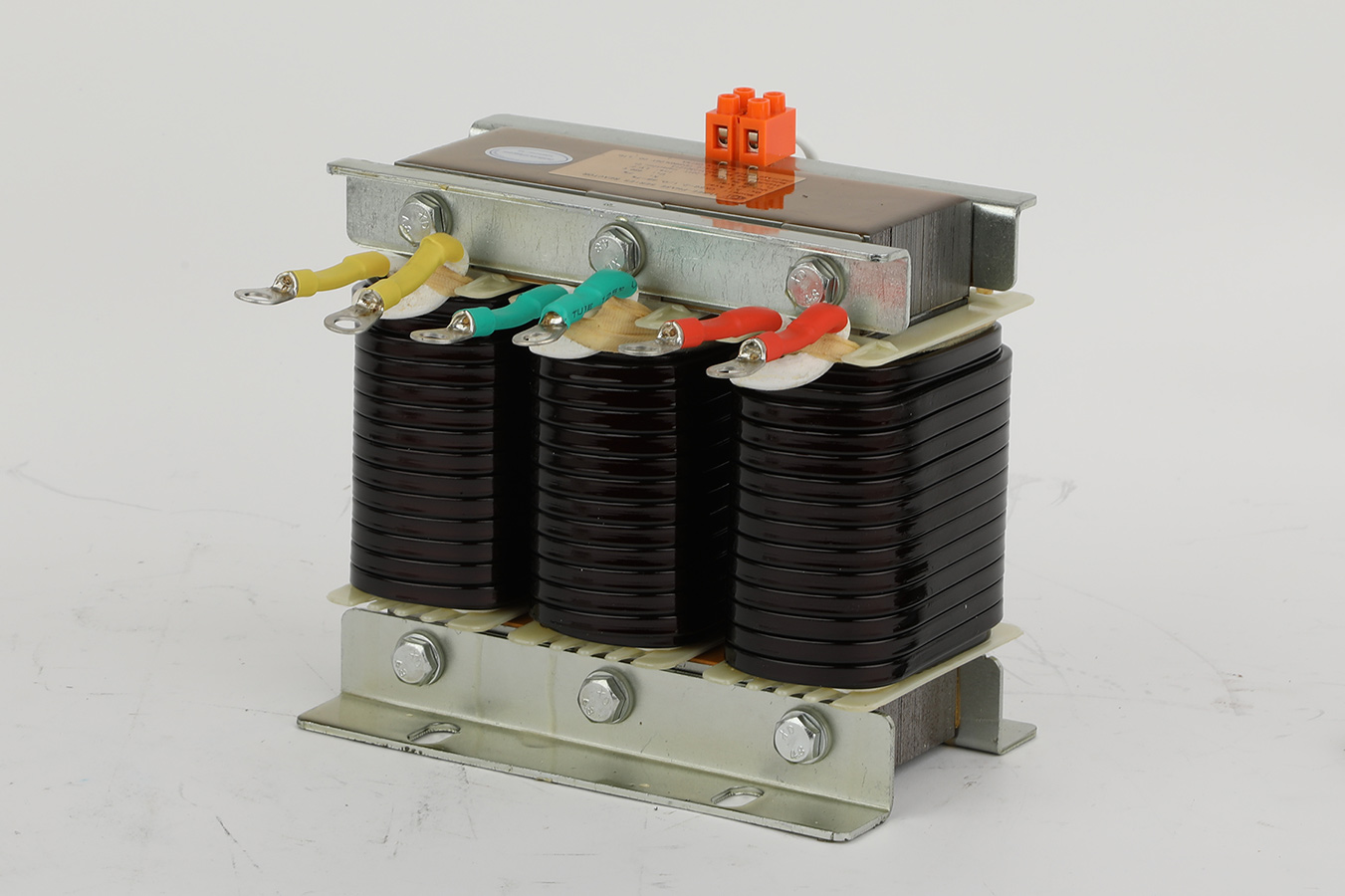
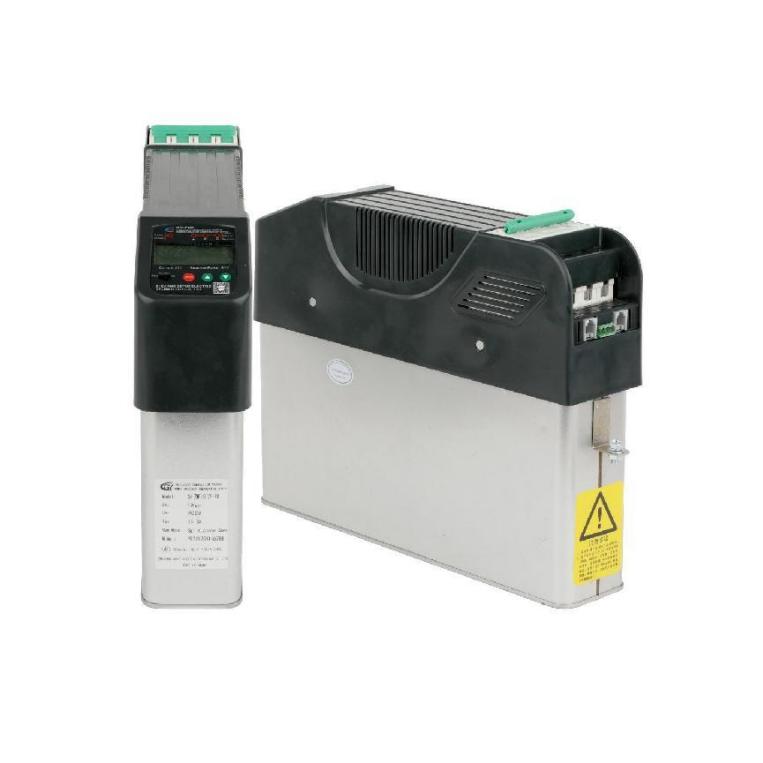
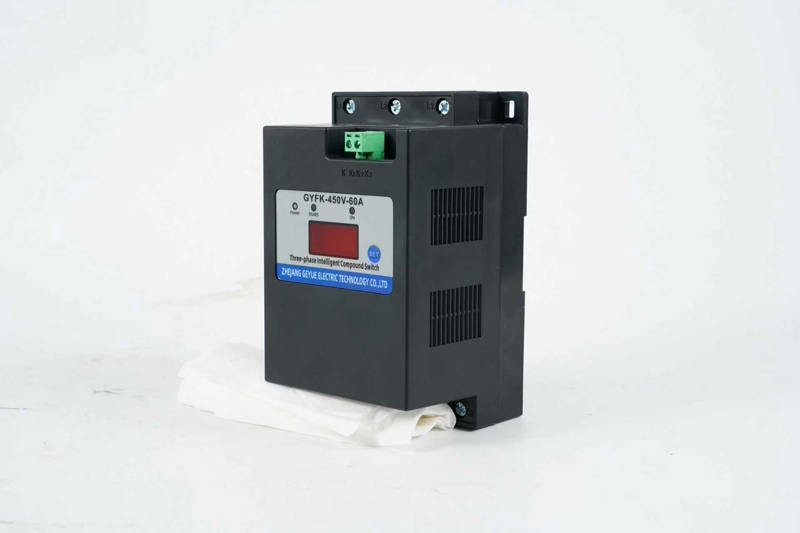
Geyue Electric actively embraces the technological upgrade direction of simultaneous intelligentization and collaboration. Our R&D not only focuses on improving the performance of individual low-voltage reactive power compensation devices, but also strives to build an ecosystem of low-voltage reactive power compensation systems that can work collaboratively. For example, our new generation of intelligent compensation device, SVG, incorporates advanced algorithms and communication interfaces, aiming to prepare for possible future "source-grid-load-storage" interaction. At the same time, we radically realized that all advanced functions must be built upon the foundation of ultimate product reliability. Taking our widely recognized CKSG series three-phase low-voltage series reactor as an example, its core adopts an ingenious design that divides the iron core into uniform small segments, ensuring that the inductance value remains absolutely stable under complex operating conditions and long-term operation. This unwavering dedication to fundamental physical characteristics makes it inevitable for the series reactors to play a long-term filtering role in harmonic environments, and also makes it inevitable for all our intelligent low-voltage power quality solutions to be reliably implemented.
Geyue Electric firmly believes that the best energy-saving and cost-reduction stories are those where advanced technology is hidden behind stable operation. Through our modern factory in Wenzhou, China, we combine rigorous process design with large-scale precision manufacturing to make a certain that every low-voltage reactive power compensation device leaving the factory has the potential and capability to participate in the global energy efficiency revolution. We not only provide users with power factor correction tools to avoid penalties, but also strive to become a long-term partner for users to enhance their corporate energy competitiveness and achieve sustainable development. From following the world's cutting-edge trends to integrating into localized practices in China, Geyue Electric is helping global industrial users to jointly write the next chapter in the story of efficiency, reliability, and intelligence. Please drop you low voltage reactive power compensation inquiry to our email box info@gyele.com.cn, our technical team is 24/7 at your service.
Related News
- What Is the Difference Between a Power Capacitor and an Intelligent Capacitor?
- Are Self-Healing Shunt Capacitors Suitable for Industrial Applications?
- Why Does a Factory Need an Automatic Power Factor Controller?
- Can a Power Capacitor Reduce Electricity Losses in a Factory?
- What Should Engineers Check Before Choosing a Low Voltage Power Capacitor?
- Why Are Self-Healing Shunt Capacitors Widely Used in Low-Voltage Power Systems?
Leave me a message