The Hydrodynamic Advantage of Cylindrical Low-Voltage Self-Healing Shunt Capacitors: How Does This Shape Bring About Better Heat Dissipation?
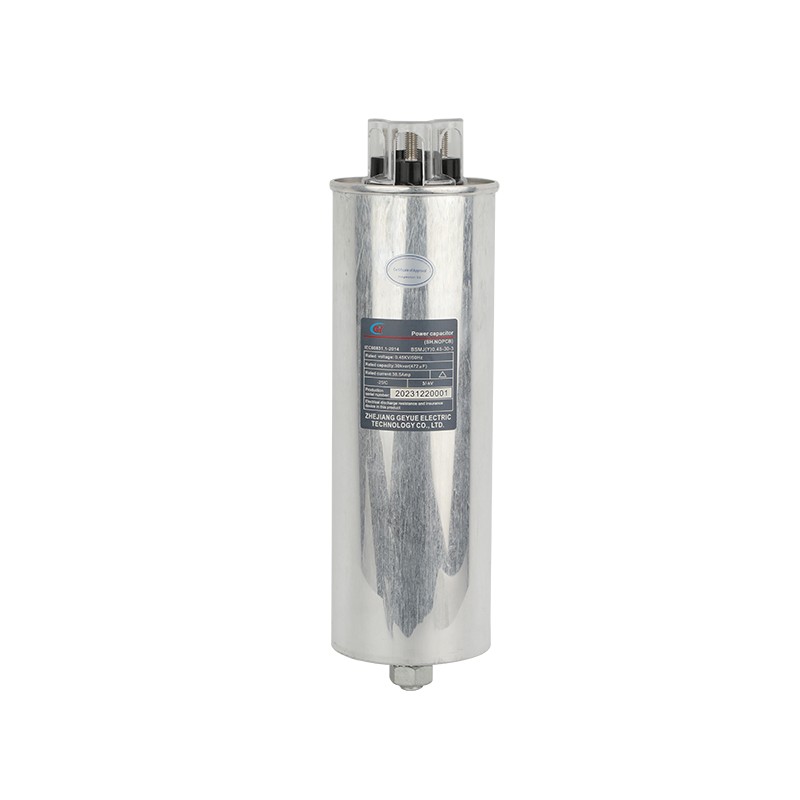
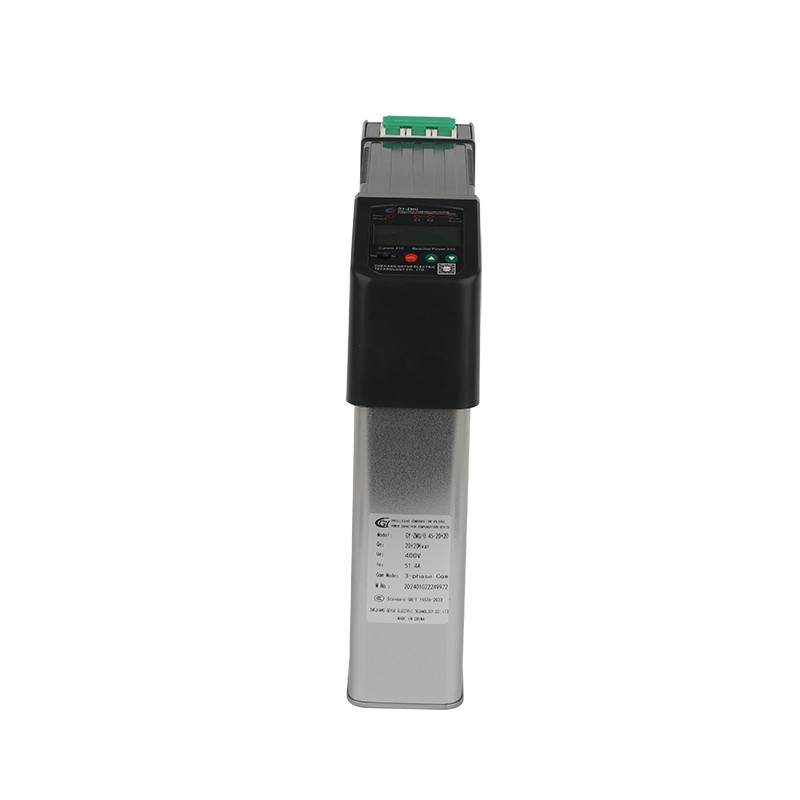
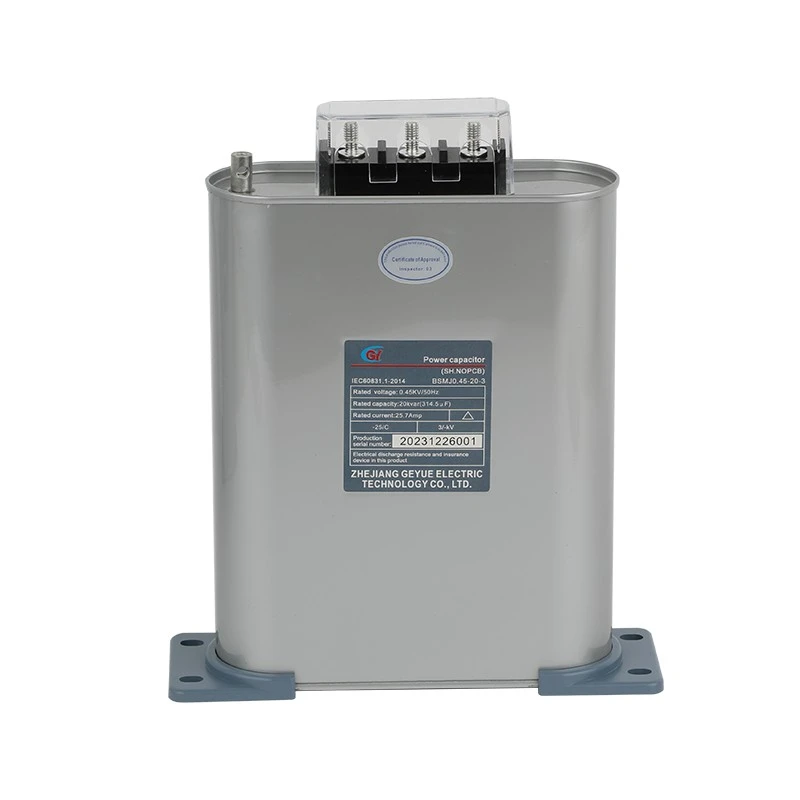
In the sophisticated architecture of modern power systems, the choice of shape for each component is far from accidental. When we examine the BSMJ series square-box type low-voltage self-healing shunt capacitors and the BSMJ(Y) series cylindrical type low-voltage self-healing shunt capacitors, the differences between them are not limited to appearance. Behind this difference in shape lies a profound wisdom derived from nature and engineering mechanics—the principle of fluid dynamics. It is this principle that gives the cylindrical type low-voltage self-healing shunt capacitors an inherent advantage in heat dissipation efficiency, ultimately translating into longer service life, higher operational reliability, and superior overall energy efficiency.

Fluid Dynamics: Surrounding Airflow and Lower Resistance
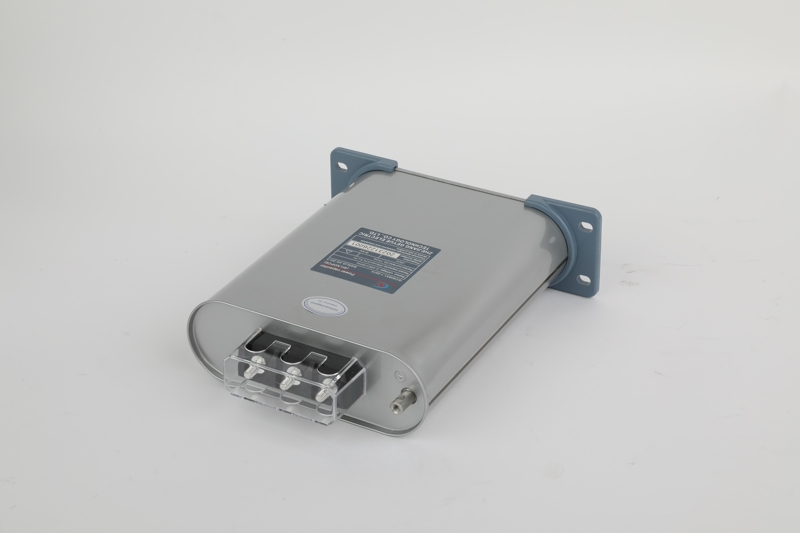
It is well known that any electrical equipment generates heat during operation, and the key to heat dissipation rests with the contact efficiency between the surface of the electrical equipment and the surrounding cooling medium—usually air. Due to their inherent sharp edges, BSMJ series square-box type low-voltage self-healing shunt capacitors generate significant air vortices and "stagnant zones" behind their housing surfaces. These areas have poor airflow, causing heat to easily accumulate and form localized hot spots.
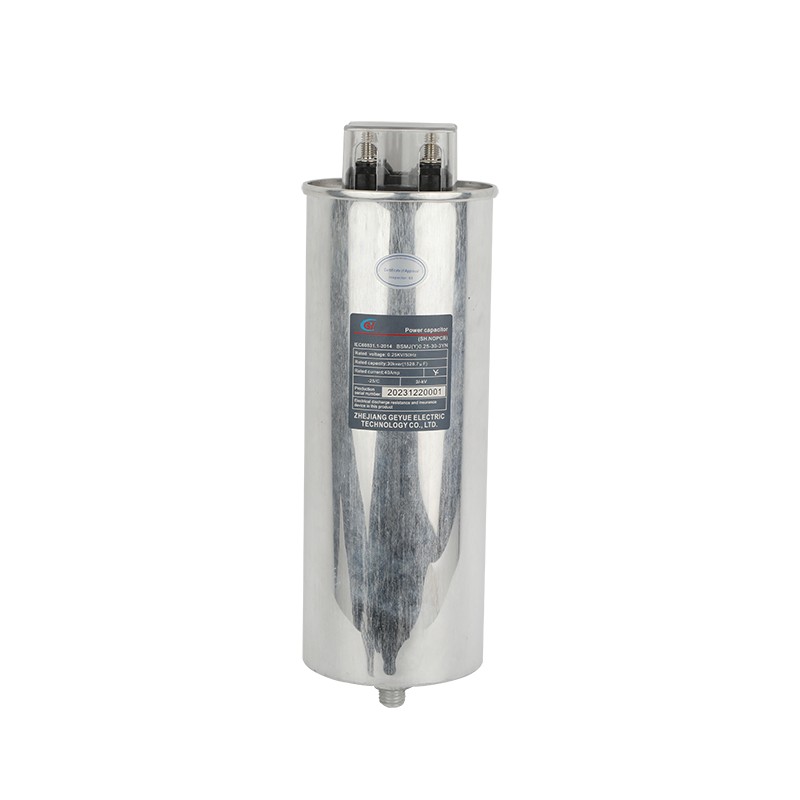
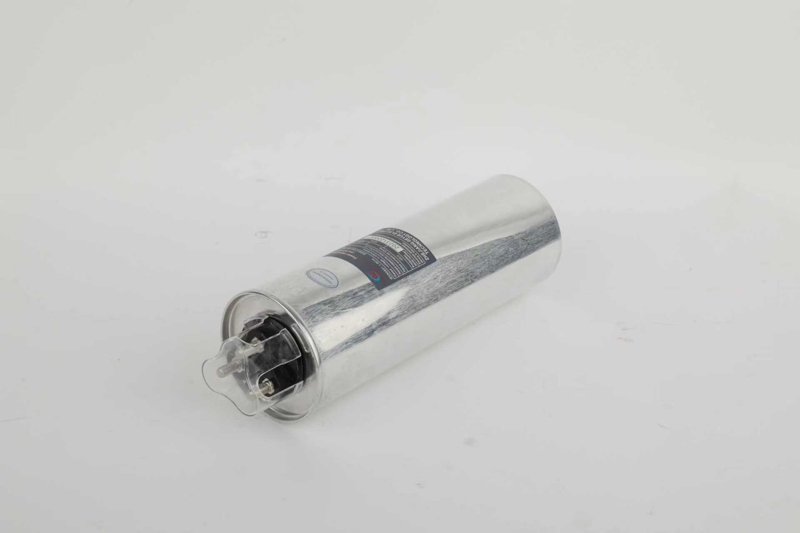
In contrast, the cylindrical designs of the BSMJ(Y) series are highly efficient heat dissipation structures that best conform to fluid dynamics. When air undergoes natural convection, or when air flows over the cylindrical surfaces under the influence of external wind cooling, the streamlined profiles of the BSMJ(Y) series cylindrical type low-voltage self-healing shunt capacitors guide the air to flow smoothly around the capacitor housings, significantly reducing airflow separation and turbulence. This smooth, surrounding contact makes a certain that the cooling air can exchange heat more evenly and fully with the entire surfaces of the cylindrical type capacitors, thereby continuously and efficiently removing the heat generated by the metallized polypropylene films inside the capacitors during operation. The upgrade from the BMSJ series to the BSMJ(Y) series is not merely a change in the shape of the low-voltage self-healing shunt capacitors, but a leap in system-level design that maximizes passive heat dissipation efficiency.
Uniform Temperature Effect: The Key to Eliminating Local Thermal Stress
The weakest link effect also applies to low-voltage reactive power compensation systems; the lifespan and stability of self-healing shunt capacitors are often determined by their weakest point. High temperatures are the culprit behind accelerated aging of the insulating dielectric, decreased self-healing performance, and even eventual failure. Due to uneven heat dissipation, the BSMJ series square-box type housings often exhibit a temperature difference between their corners and the centers of the planes.
Reliable systems Engineering: From Form to Intrinsic Quality
BSMJ(Y) self-healing shunt capacitors, with their cylindrical structures combined with special aluminum casings and dual anti-corrosion treatments, establish near-ideal heat distribution models. Thanks to their highly efficient peripheral heat dissipation, the surface temperature gradients of these cylindrical housings remain extremely small, achieving excellent thermal uniformity. As a result, the core assemblies within BSMJ(Y) capacitors—manufactured from high-quality edge-thickened metallized polypropylene films—operate in more balanced thermal environments. This temperature-homogenizing effect fundamentally prevents localized overheating stresses, not only preserving the electrical integrity of the dielectric materials but also maintaining the long-term stability of the special high-melting-point microcrystalline wax impregnation systems inside. This design eliminates the leakage risks associated with conventional oil-impregnated capacitors and ensures sustained operational reliability of the capacitors over their service life.
Geyue Electric's Craftsmanship: Outstanding Products and Efficient Solutions
Geyue Electric deeply understands that outstanding products are the final results of systematic engineering. The hydrodynamic advantages of a cylindrical shape complement our company's inherent materials science and manufacturing processes. We have made unremitting efforts to maximize this shape advantage.
Our BSMJ(Y) series cylindrical type low-voltage self-healing shunt capacitors uses premium metallized thin films, whose self-healing properties, combined with the uniform heat dissipation of the cylindrical housing, ensure rapid recovery from any partial discharge without leaving any hidden dangers. A unique gold-plating process enhances electrode conductivity and surge current resistance, while the efficient heat dissipation environment guarantees rapid cooling and recovery of the component after high-current surges. Built-in safety discharge resistors and fuses ensure reliable operation in a smooth thermal management environment. All of this is completed under our stringent production system, which complies with international standards (GB/T, IEC). Every impregnation, sealing, and corrosion-resistant process is designed to reinforce the inherent advantages of the cylindrical design.
At Geyue Electric, we firmly believe that excellent design stems from respect for fundamental science and innovative application. We are committed to integrating profound engineering wisdom, such as fluid mechanics, into every seemingly simple piece of equipment, providing you not just with products, but also with enduring value and a safe and reliable guarantee that stands the test of time. Any of your inquiries is welcome at info@gyele.com.cn.
Related News
- Has Geyue Electric Made Our Mark At The 2026 YSGE Yiwu PV & Energy Storage Expo, Empowering Power Quality Solutions For PV-Storage Supporting Applications?
- Zhejiang Geyue Electric Technology Co., Ltd. Invites You to YSGE 2026 Yiwu Solar PV & Energy Storage Expo
- How did Geyue Electric stand out at the 2026 Electric Capital Exhibition with its SVG/APF and PV controllers?
- FAQ 3: The Three-Phase Load of Our System Is Very Unbalanced. Is It Better to Adopt Three-Phase Compensation or Split-Phase Compensation? If Split-Phase Compensation Is Adopted, How Will the Capacity Be Allocated?
- FAQ 2: From the perspective of appearance, there is no difference at all between the APF and SVG. So, what exactly are the differences between these two products?
- FAQ 1: What do BSMJ and BSMJ(Y) Respectively Represent?
Leave me a message