What Are the Advantages and Disadvantages of Using Enameled Copper Wire Three-Phase Series Reactors vs. Using Enameled Aluminum Wire Three-Phase Series Reactors?
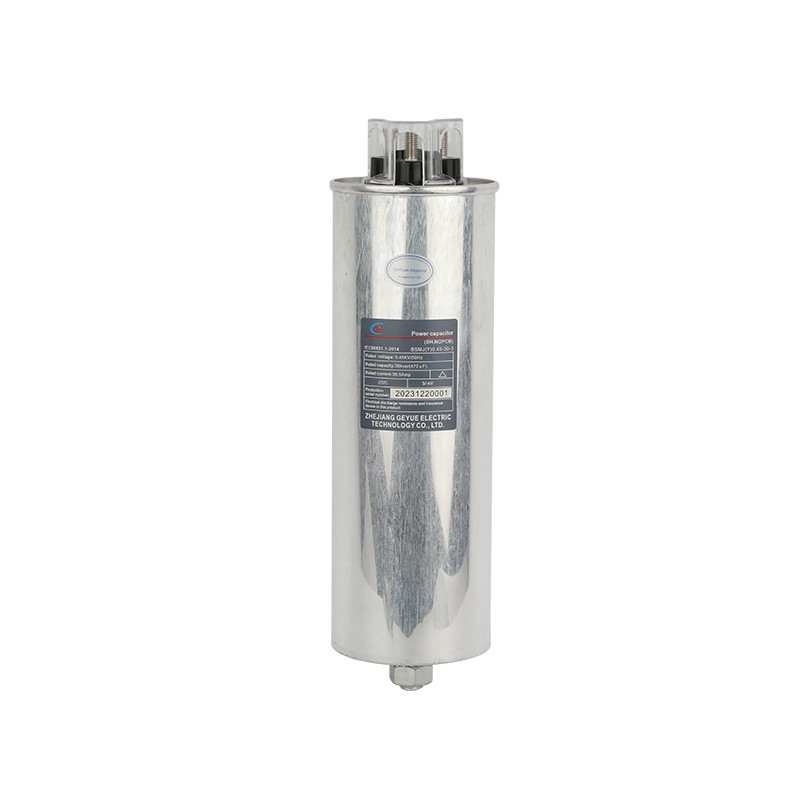
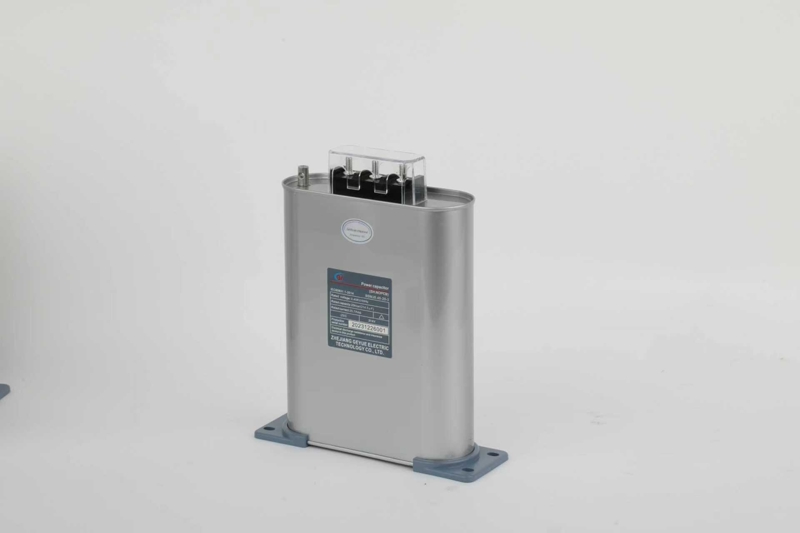
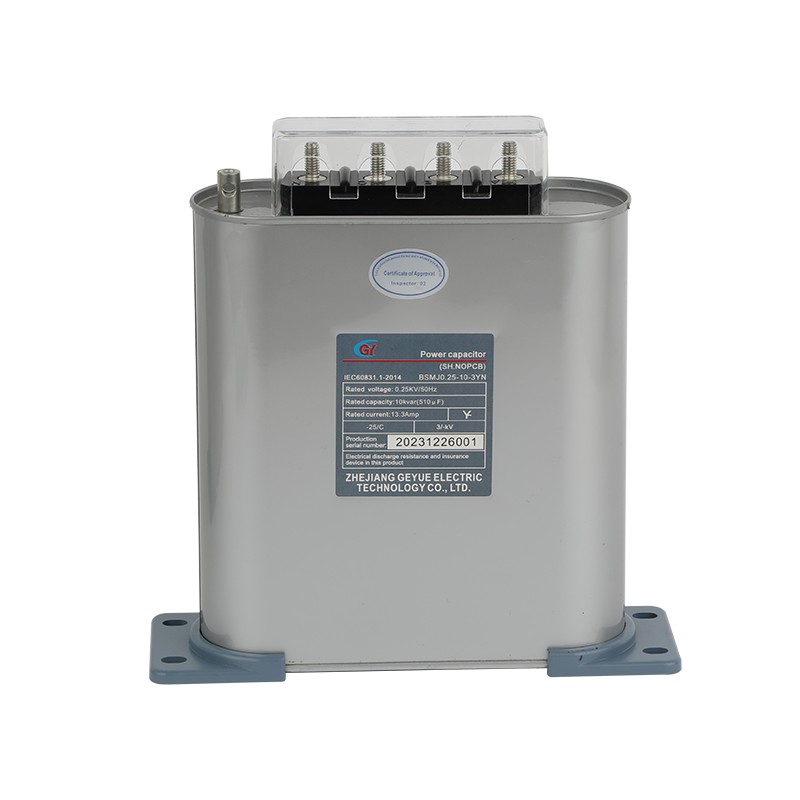
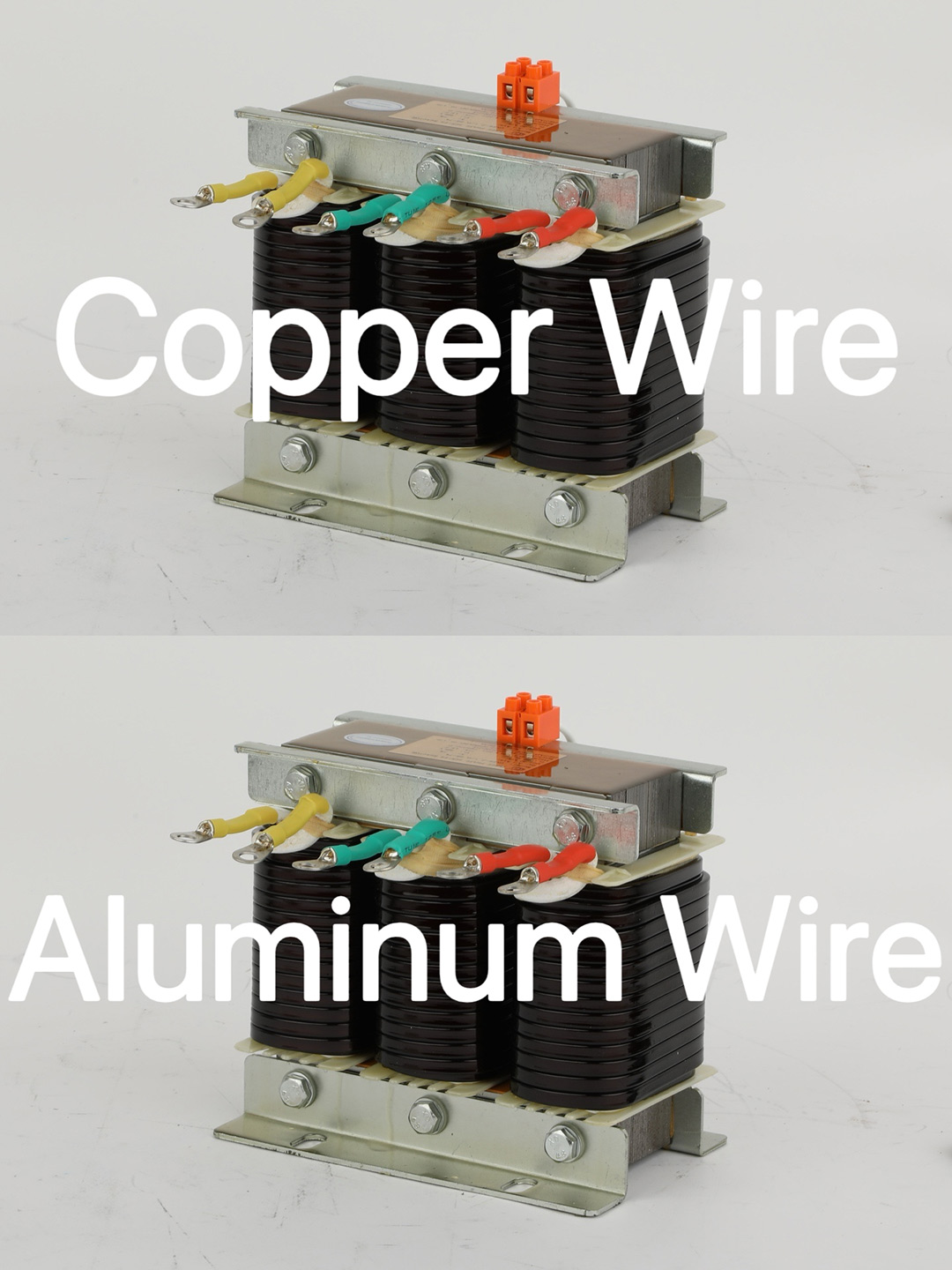
In a complete low-voltage reactive power compensation system, three-phase series reactors and BSMJ series low-voltage self-healing shunt capacitors form a perfect pair. The core function of the three-phase series reactor is to suppress harmonic amplification and limit inrush current, protecting the safe operation of the BSMJ series low-voltage self-healing shunt capacitors. Many engineers and purchasing personnel often pay attention to a crucial detail when selecting three-phase series reactors: the material of the reactor coil windings. Currently, the mainstream reactor coils on the market are divided into two types: enameled copper wire and enameled aluminum wire. Although these two types look similar, they differ significantly in internal quality, long-term operating performance, and total cost of ownership. In the following text, Geyue Electric, from the perspective of a professional three-phase series reactor manufacturer, will discuss the advantages and disadvantages of reactors made of these two materials.
Comparing Conductivity and Energy Performance
The first core difference in the coil materials of three-phase series reactors lies in their conductivity. Copper's conductivity is approximately 1.6 times that of aluminum, and under standard testing conditions at 20°C, copper's resistivity is significantly lower than aluminum's. This means that under the same cross-sectional area and current load, enameled copper wire reactors have lower inherent losses than enameled aluminum wire reactors, resulting in higher energy conversion efficiency. Professional data shows that aluminum wire reactors of the same specifications are more than 3% less efficient than copper wire reactors. For low-voltage reactive power compensation equipment requiring long-term continuous operation, this 3% efficiency difference translates into substantial electricity costs, which accumulate over time into a significant operating expense.
Enameled aluminum wire reactors, on the other hand, are inherently disadvantaged in terms of conductivity. Aluminum has a higher resistivity, and to achieve a current-carrying capacity similar to copper wire, the cross-sectional area of the aluminum wire must be increased. Even so, the current flowing through the aluminum wire per unit time is still less than that of the copper wire. One square millimeter of copper wire can carry 6 amps of current, while aluminum wire can only carry 4.8 amps. This difference in conductivity directly determines the degree of heat generated by the reactor when it is running at full load.
Distinguishing Durability and Reliability
From a long-term reliability perspective, enameled copper wire reactors still exhibit a significant advantage over enameled aluminum wire reactors. Copper possesses excellent fatigue resistance and mechanical strength, demonstrating stability under continuous operating conditions. Therefore, copper wire reactors perform more stably than aluminum wire reactors in harsh environments such as high temperatures and high loads, and generally have a longer service life. Copper's melting point is as high as 1083℃, far exceeding aluminum's melting point of 660℃, meaning that under extreme overcurrent conditions, copper wire reactors offer higher safety redundancy than aluminum wire reactors.
In contrast, the long-term reliability of enameled aluminum wire reactors requires special attention. First of all, aluminum has a significant physical characteristic that cannot be ignored: oxidation at high temperatures. Under high temperatures, aluminum easily produces aluminum oxide (Al₂O₃), an oxide film with extremely poor conductivity, increasing contact resistance and causing further heating at connection points, creating a vicious cycle. Furthermore, aluminum wire has poor toughness, making it weak and prone to breakage, flattening, or scratching, resulting in relatively poor fatigue resistance. Under prolonged high-temperature conditions, the performance of aluminum wire reactors will decline over time because the oxidation and fatigue issues mentioned above will affect the service life of aluminum wire reactors.
Balancing Cost and Physical Size
Cost is the direct factor distinguishing between enameled copper wire and enameled aluminum wire series reactors. Aluminum resources are more abundant and cheaper than copper globally, so the biggest advantage of enameled aluminum wire reactors over enameled copper wire reactors is their lower price and material cost, significantly reducing initial investment. Secondly, aluminum wire has only about one-third the density of copper, making aluminum wire reactors easier to transport and install.
Enameled copper wire reactors, on the other hand, have higher initial procurement costs due to the much higher price of copper compared to aluminum. In terms of product size, aluminum wire reactors often require a larger cross-sectional area, resulting in a larger overall reactor size for the same electrical parameters. Price lists from some manufacturers show that copper wire reactors of the same specifications are significantly more expensive than aluminum wire reactors. However, considering the entire life cycle, the lower energy consumption and longer maintenance-free period of copper wire reactors effectively reduce the total cost of ownership.
Recommending Selection with Geyue Electric's Quality Promise
In summary, enameled copper wire reactors and enameled aluminum wire reactors each have their applicable operating scenarios. For harsh conditions with high harmonic content, high ambient temperature, or drastic load fluctuations, the stability, low loss, and long lifespan advantages of copper wire reactors are fully demonstrated, making them a more worry-free choice. If the project budget is limited and the operating environment is mild, then choosing a reliable aluminum wire reactor can also meet basic needs.
As a professional reactive power compensation manufacturer, Geyue Electric understands the importance of the quality of three-phase series reactors to the entire low-voltage reactive power compensation system. Our CKSG series three-phase series reactors strictly adhere to high-standard manufacturing processes. The core uses high-quality, low-loss cold-rolled silicon steel sheets, and the core column is divided into uniform small segments by multiple air gaps, with epoxy-laminated glass cloth plates used as spacing to ensure stable inductance during long-term operation. The coils can be wound with H-grade enameled flat copper wire or enameled aluminum wire according to customer requirements, with a tight and uniform arrangement and excellent heat dissipation performance.
Every reactor manufactured by Geyue Electric undergoes a complete and precise process after the coil and core are assembled into a single unit, including pre-baking, vacuum impregnation, and heat curing. Our H-grade impregnation varnish ensures a strong bond between the coil and core, significantly reducing operating noise and ensuring safe and quiet operation even at high temperatures. Exposed components are treated for corrosion resistance, and tin-plated copper tube terminals ensure reliable connections during long-term use.
Geyue Electric sincerely promises to work with you to create the most suitable CKSG series enameled copper or aluminum wire three-phase series reactors based on your specific site conditions and budget requirements, perfectly matching them with our BSMJ series self-healing shunt capacitors to jointly create an efficient and reliable low-voltage reactive power compensation solution. For details, please contact info@gyele.com.cn. Geyue Electric will be dedicated to safeguarding your power quality with our craftsmanship.
Related News
- Has Geyue Electric Made Our Mark At The 2026 YSGE Yiwu PV & Energy Storage Expo, Empowering Power Quality Solutions For PV-Storage Supporting Applications?
- Zhejiang Geyue Electric Technology Co., Ltd. Invites You to YSGE 2026 Yiwu Solar PV & Energy Storage Expo
- How did Geyue Electric stand out at the 2026 Electric Capital Exhibition with its SVG/APF and PV controllers?
- FAQ 3: The Three-Phase Load of Our System Is Very Unbalanced. Is It Better to Adopt Three-Phase Compensation or Split-Phase Compensation? If Split-Phase Compensation Is Adopted, How Will the Capacity Be Allocated?
- FAQ 2: From the perspective of appearance, there is no difference at all between the APF and SVG. So, what exactly are the differences between these two products?
- FAQ 1: What do BSMJ and BSMJ(Y) Respectively Represent?
Leave me a message