Apart from Saving Electricity Costs, What Value does Low-Voltage Reactive Power Compensation Bring to Enterprises?
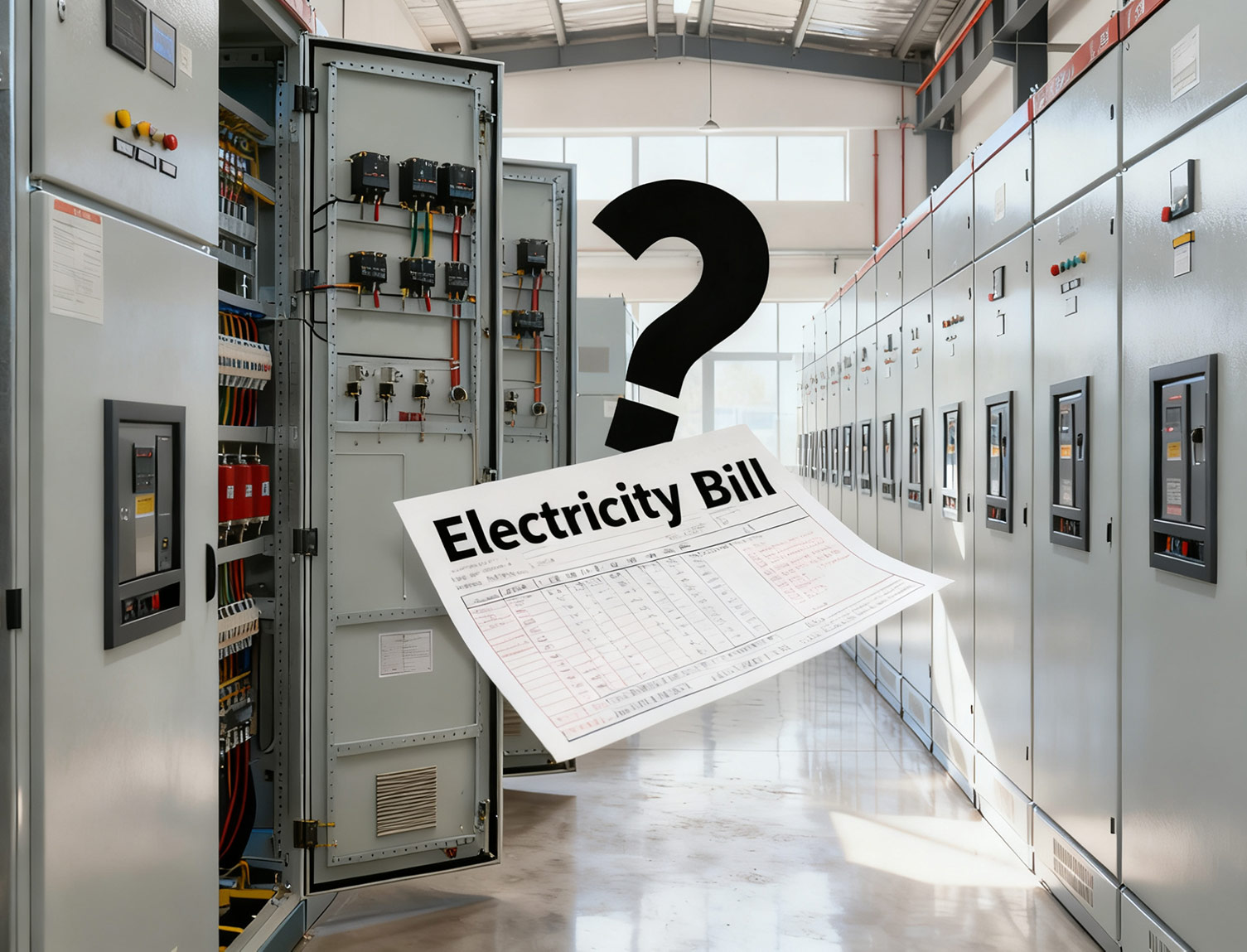
Today, many enterprises still view the value of low-voltage reactive power compensation merely in terms of direct electricity cost savings. In fact, the indirect benefits brought about by a well-designed low-voltage reactive power compensation system are often more strategically significant than simple cost savings. Geyue Electric, as a professional manufacturer with profound industry experience, will share with you in the following text the often-overlooked hidden values behind low-voltage reactive power compensation.
Unleash Potentials to Achieve Energy Conservation and Loss Reduction
The flow of reactive power generates additional current in the distribution lines and transformers of an enterprise. Although this reactive current does not perform useful work, it actually causes the conductors to heat up. The heat loss resulting from resistance in this process is called "line loss". When the power factor increases from 0.7 to 0.95, the total current in the lines can be reduced by approximately 26%, and the corresponding line loss can theoretically be reduced by more than 40%. This means that the energy consumed by the enterprise's distribution network has significantly decreased, directly reducing the implicit energy consumption cost of generating each kilowatt-hour of electricity.
As a fundamental stage in power distribution, the capacity of transformers is not entirely utilized for handling active loads. When there is a significant amount of reactive power in the system, a phenomenon known as "capacity occupation" occurs, where a portion of the transformer's capacity is occupied by reactive currents. To release this occupied capacity, enterprises need to compensate for reactive power locally. For instance, for a transformer with a rated capacity of 1000 kilovolt-amperes, if the power factor of the system increases from 0.7 to 0.95, the available active power transmission capacity of this transformer will increase from approximately 700 kilowatts to 950 kilowatts. This is equivalent to adding over 250 kW of power supply capacity for the enterprise without any hardware modification, effectively delaying or avoiding the need for transformer capacity expansion or substation renovation investment that could cost up to tens of thousands of dollars due to the expansion of production scale.
Stabilize the System Voltage to Ensure Production Quality
The deficiency of reactive power can also lead to a decrease in voltage at the end of the line. This voltage fluctuation is particularly noticeable when motors start up or large equipment is put into operation. Through precise reactive power compensation, enterprises can maintain the voltage stability of the power system, thereby ensuring that all electrical equipment can operate efficiently and stably at the rated voltage. A consistently stable voltage state not only means that motors will not overheat due to low voltage, but also indicates that precision processing equipment will not produce defective products due to voltage fluctuations, and the automatic control systems on the production line will not restart for no reason. This guarantee of the quality of the entire production process cannot be measured by a single figure on the electricity bill.
From a longer-term and fundamental perspective, operating in a high-power factor state for an extended period serves as a protection for the electrical equipment itself. The reduction of line current directly decreases the thermal stress endured by electrical components, thereby slowing down the aging process of transformers, switches and cable insulation materials, lowering the temperature of motors, and extending the overall service life of the equipment. From the perspective of the entire power system, this not only reduces the production losses caused by unexpected shutdowns, but also prolongs the major overhaul cycle of the equipment and lowers the long-term maintenance and replacement costs.
Choose Geyue Electric to build the Future Foundation of Energy Efficiency
After enterprises recognize the huge potential of these indirect values, the key issue becomes how to select a reliable and efficient low-voltage reactive power compensation solution. Geyue Electric has always been committed to providing enterprise users with comprehensive value beyond just electricity cost savings. We fully understand that an excellent low-voltage compensation system must be reliable, intelligent, and capable of adapting to the long-term development of the enterprise.
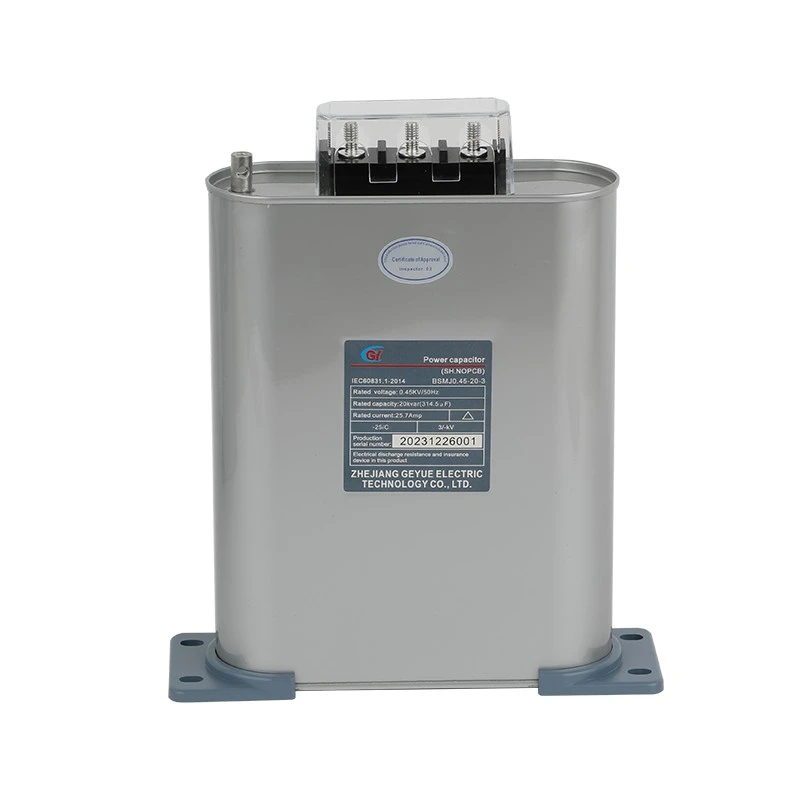
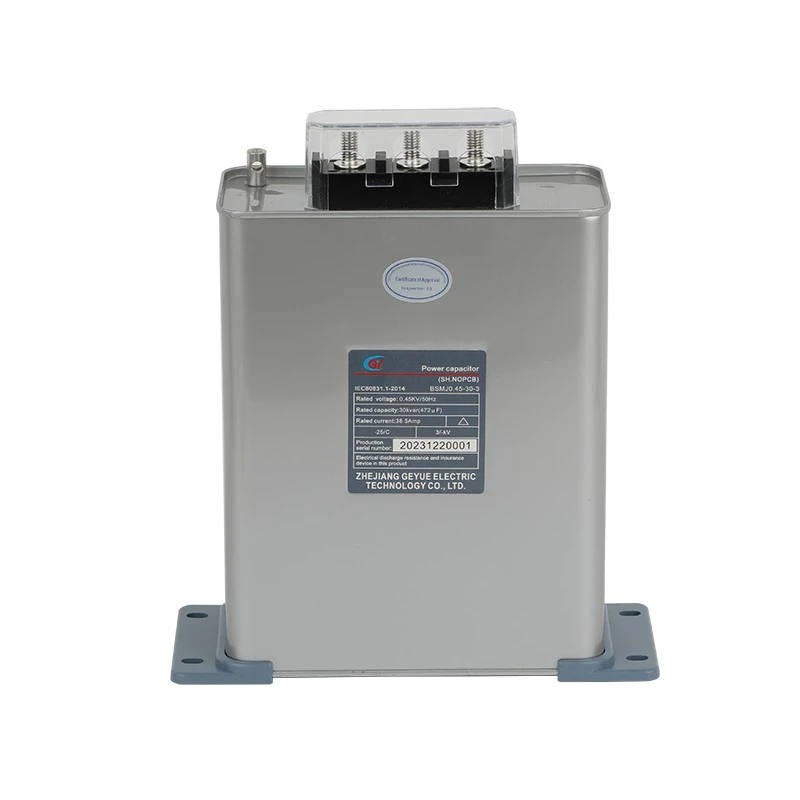
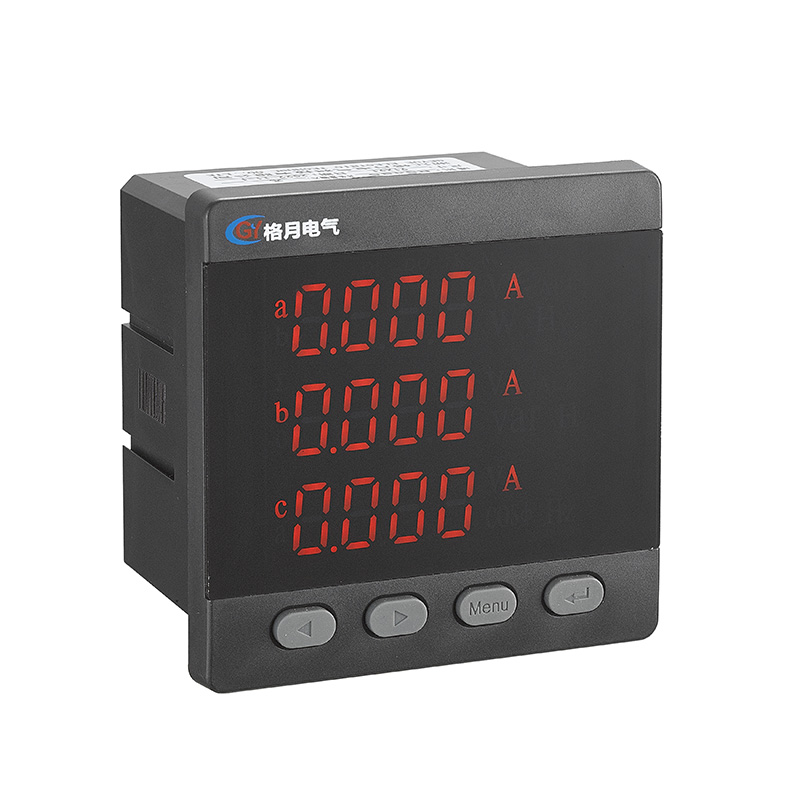
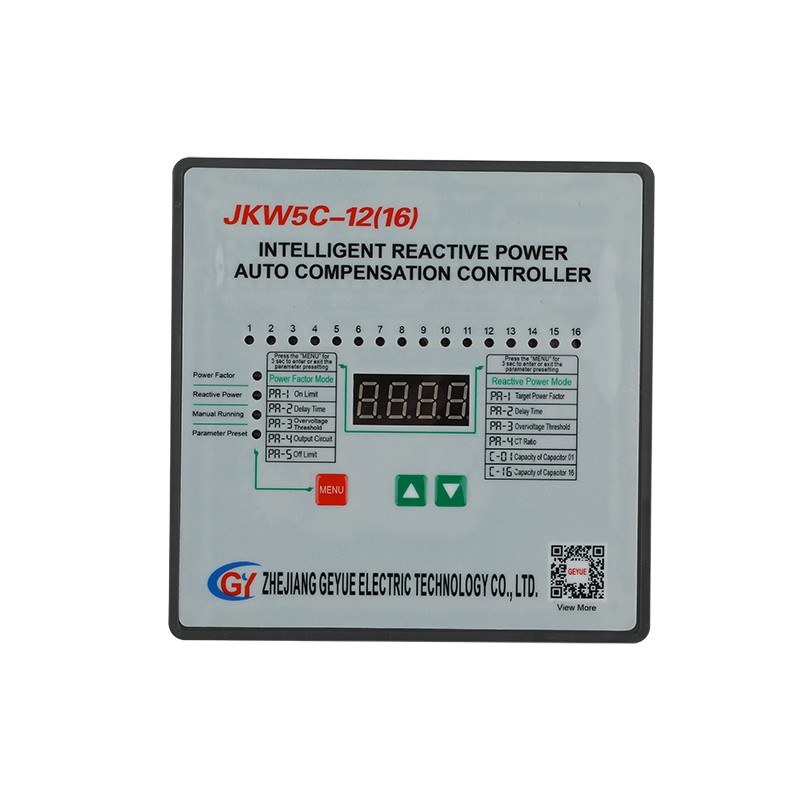
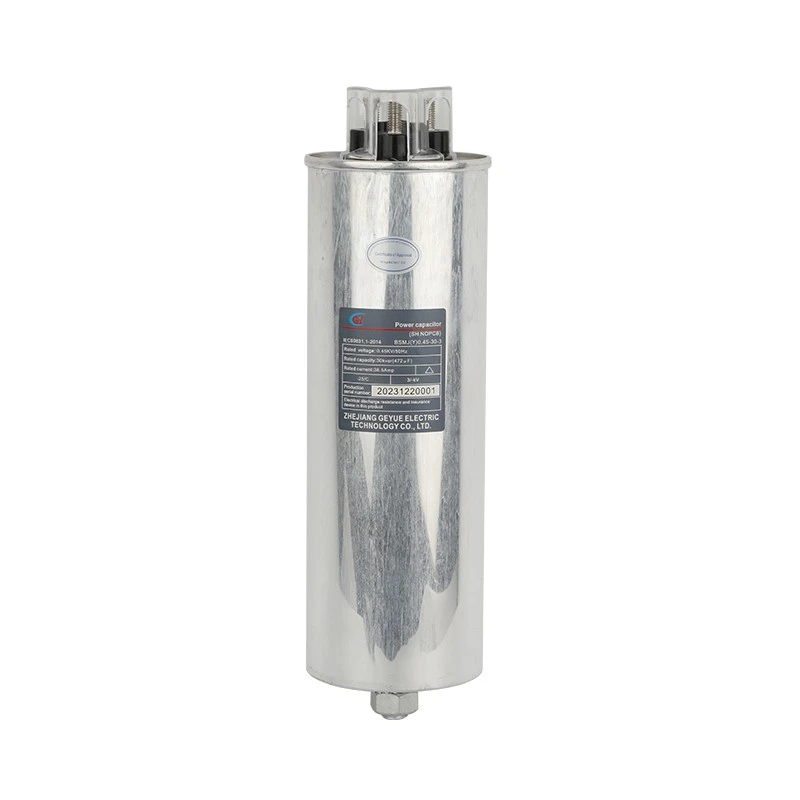
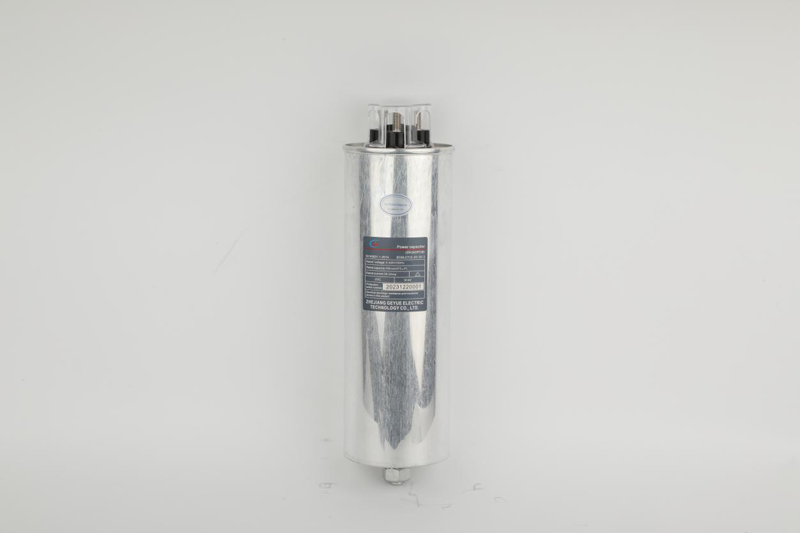
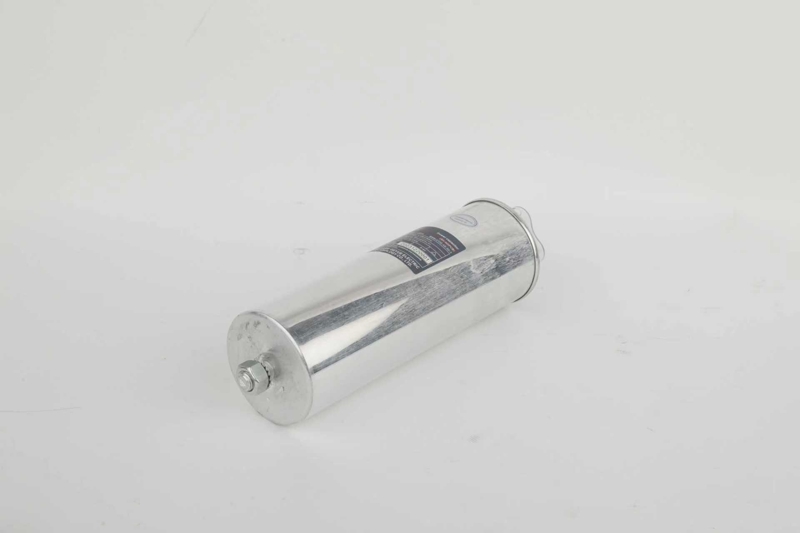
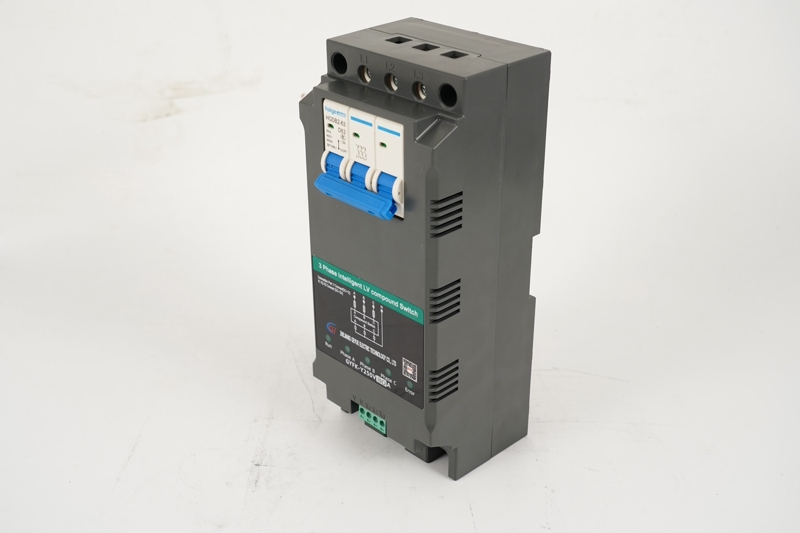
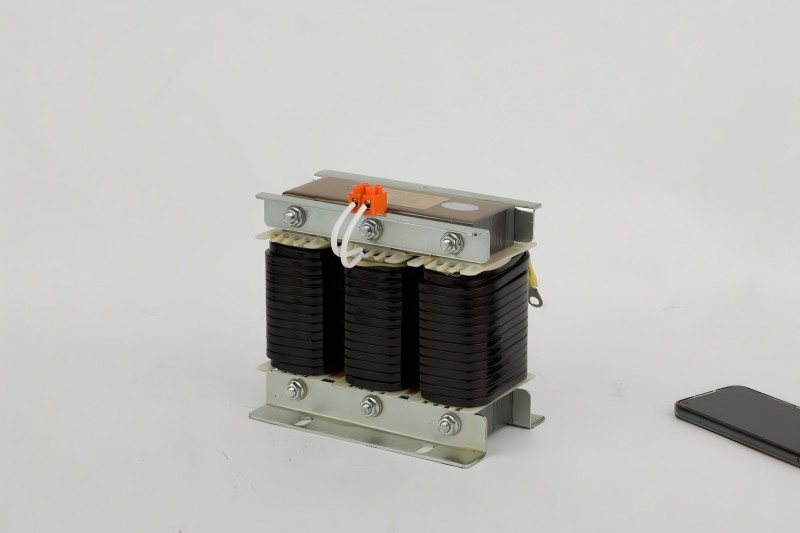
The low-voltage reactive power compensation solution of Geyue Electric is centered around high-quality self-healing capacitors and intelligent switching devices, ensuring precise and stable output for every 1000 kilowatts of compensation capacity. Our intelligent controller not only focuses on the power factor itself, but also monitors the system voltage and harmonic conditions. While providing reactive power compensation, it safeguards the power distribution safety of your facility. In response to the changes in future production scale and power consumption structure, our system has flexible expansion capabilities and data interfaces, and can seamlessly connect with the factory's energy management system, making reactive power compensation a solid and intelligent part of your enterprise's energy efficiency management system.
Investing in Geyue Electric’s reactive power compensation system is not just about purchasing an energy-saving device; it is about building a more efficient, stable and resilient electrical infrastructure for your enterprise. Let's work together to transform the potential value of these low-voltage reactive power compensation systems into the practical competitiveness and profit margins of your enterprise. Our most professional technical team is ready to serve you via the email address info@gyele.com.cn.
Related News
- What Is the Difference Between a Power Capacitor and an Intelligent Capacitor?
- Are Self-Healing Shunt Capacitors Suitable for Industrial Applications?
- Why Does a Factory Need an Automatic Power Factor Controller?
- Can a Power Capacitor Reduce Electricity Losses in a Factory?
- What Should Engineers Check Before Choosing a Low Voltage Power Capacitor?
- Why Are Self-Healing Shunt Capacitors Widely Used in Low-Voltage Power Systems?
Leave me a message