
Industry News
 16 2025-07
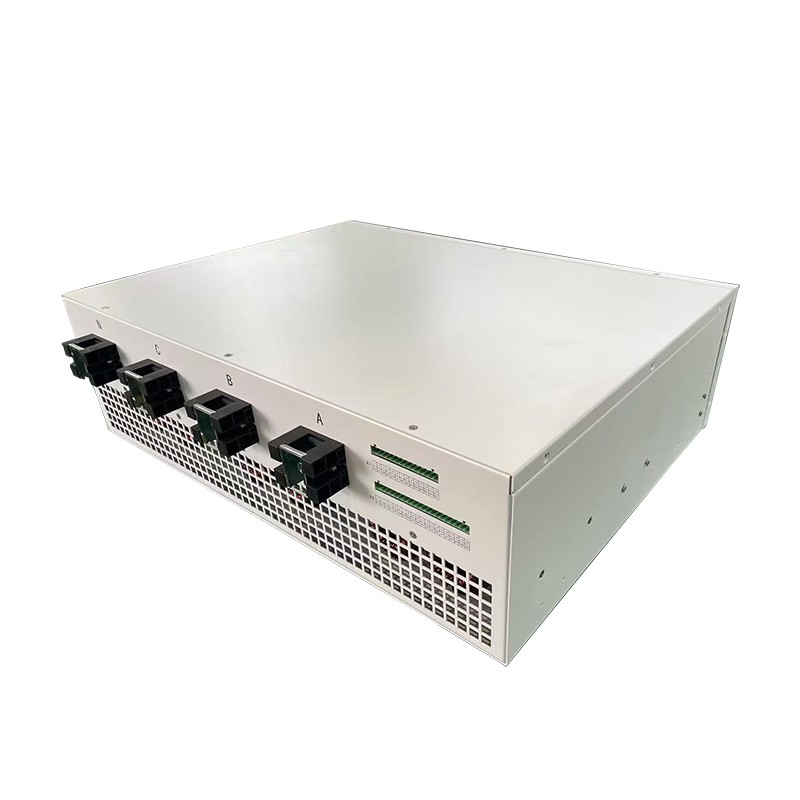
 How Exactly does the Response Speed of Dynamic Reactive Power Compensation Devices Affect the Yield Rate of Semiconductor Production Lines?
Semiconductor manufacturing, as a typical representative of precision industry, has extremely strict requirements for power quality. In the following section, Geyue Electric, from the professional perspective of a manufacturer of dynamic reactive power compensation equipment, will deeply explore the intrinsic correlation mechanism between the response speed of SVG (Static Var Generator) and the yield rate of semiconductor production.
 15 2025-07
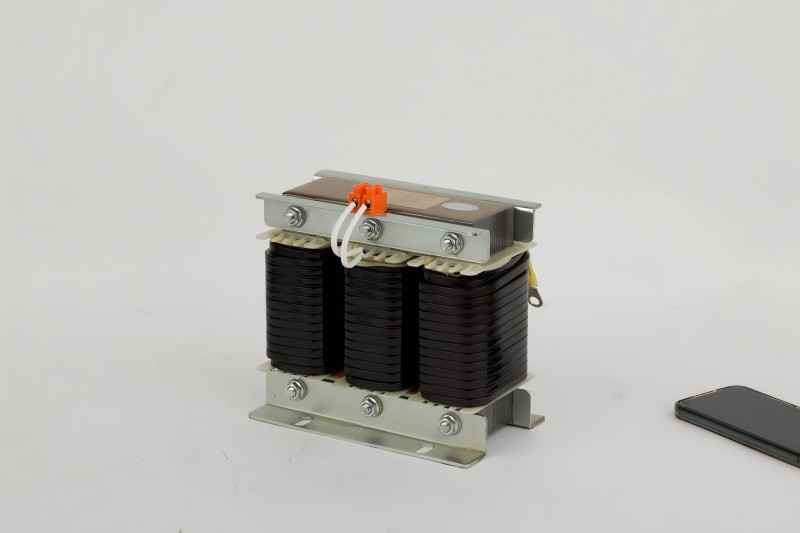
 From Capacitor Explosion to Ten Years of Maintenance-Free Operation: Series Reactor Put an End to Factory Power Pain
Geyue Electric's series reactor solves the core problem of electric energy through innovative technology. The seven-level inductance structure strongly suppresses grid harmonics and avoids capacitor overload damage; the nanocrystalline material greatly reduces the heating of the iron core, and a single device saves more than 4,000 degrees of electricity per year; the military noise reduction technology is used to achieve silent operation, adapt to severe cold and high humidity corrosion environment, and ensure ten years of stable use.
 12 2025-07
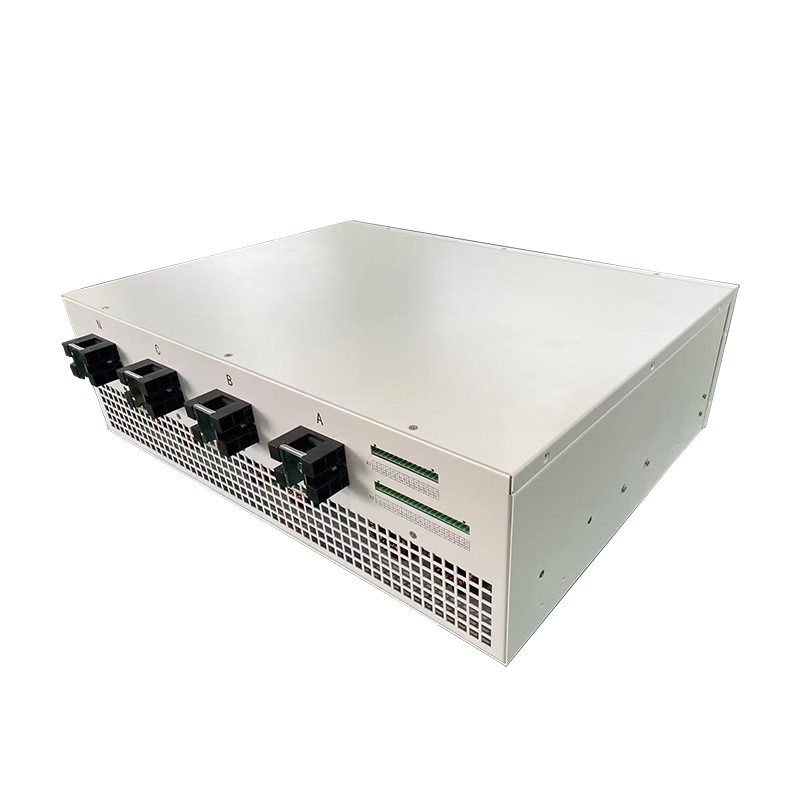
 How Can the "Minimization" Upgrade of Reactive Power Compensation and Harmonic Control Be Achieved in the Renovation of Old Distribution Rooms?
Facing increasingly stringent power quality requirements and limited space conditions, the renovation of old distribution rooms is encountering unprecedented challenges.
 10 2025-07
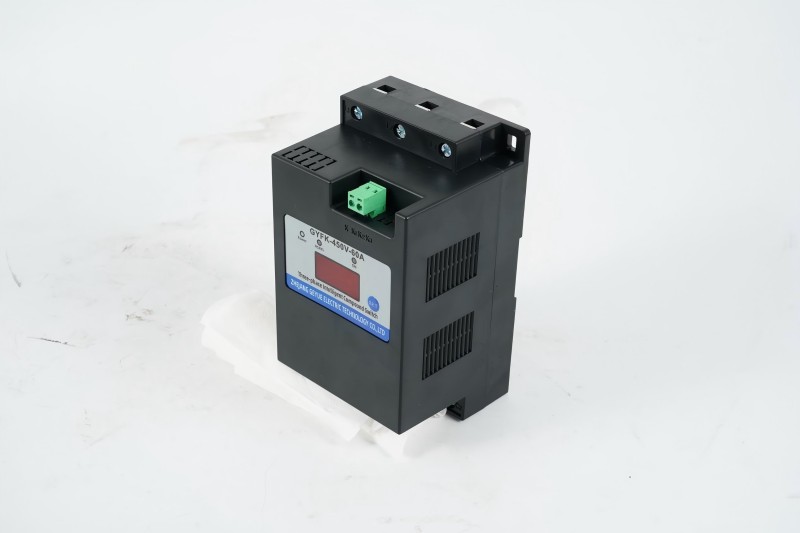
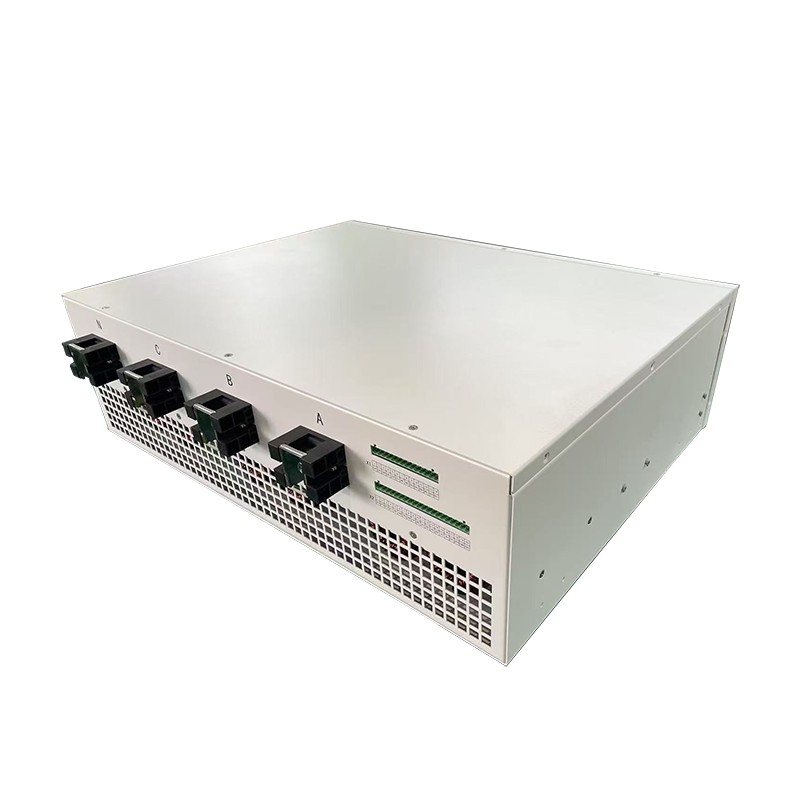
 The Core Value of Compound Switches in Compensation Systems
Traditional compensation devices face two major problems: dangerous sparks are generated when mechanical switches are disconnected, and tens of thousands of dollars are required to replace parts and shut down for maintenance each year.
 09 2025-07
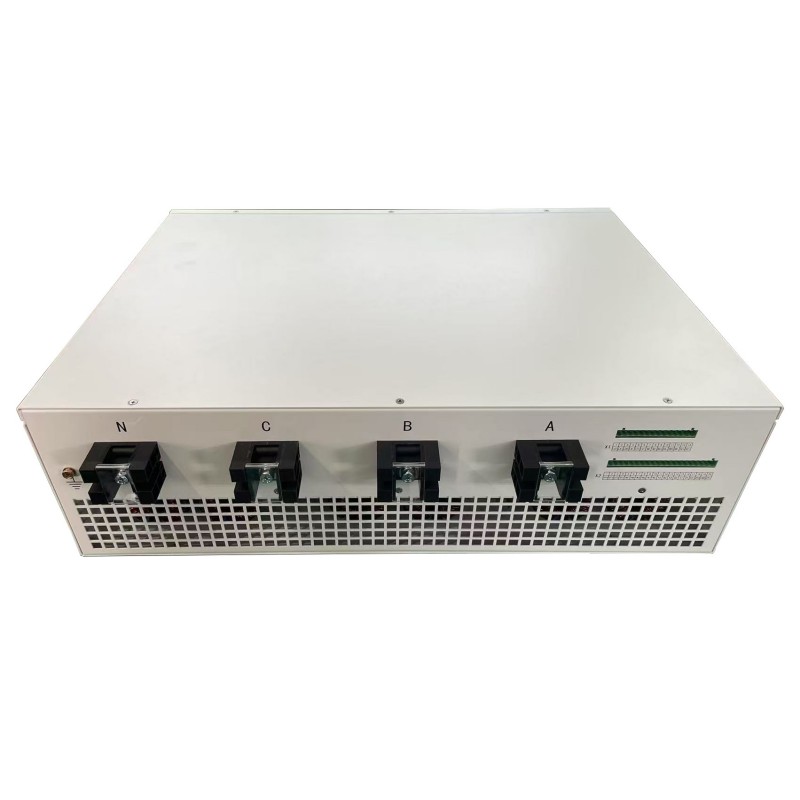
 How Can Harmonic Control and Reactive Power Compensation Work Together to Enhance the Stability of the Power System?
Among the numerous power quality challenges faced by modern power systems, harmonic pollution and insufficient reactive power are the two core issues that most severely affect the stable operation of the power grid.
 08 2025-07
 Why Can AI algorithms Improve the Dynamic Response Speed of SVG?
In this article, the Chief Electrical Engineer of Geyue Electric will guide you from the limitations of traditional control methods to the innovative application of AI algorithms, deeply exploring how AI algorithms will optimize SVG performance and comprehensively analyzing the changes that AI technology innovation will bring to the reactive power compensation field.