Industry News
 02 2025-08
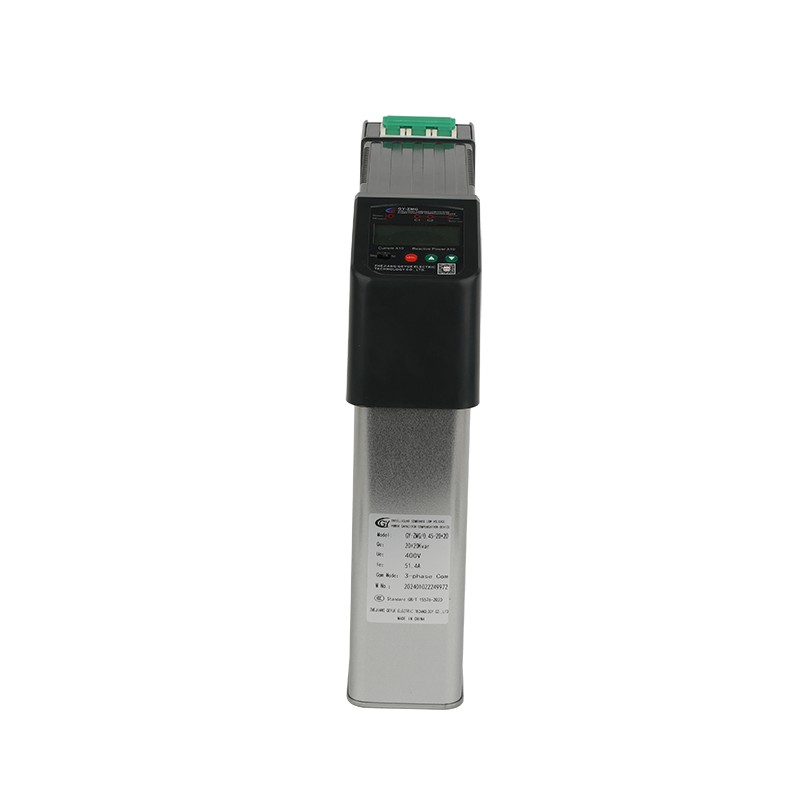
 Why Is It Said That in Industry 4.0 Factories, the Communication Architecture of Reactive Power Compensation Systems Must Be Restructured?
During the implementation of the Industrial 4.0 era, Geyue Electric, as a manufacturer of low-voltage reactive power compensation equipment, our company has deeply recognized that intelligence, digitization and networking have become the three most core characteristics of modern factories.
 01 2025-08
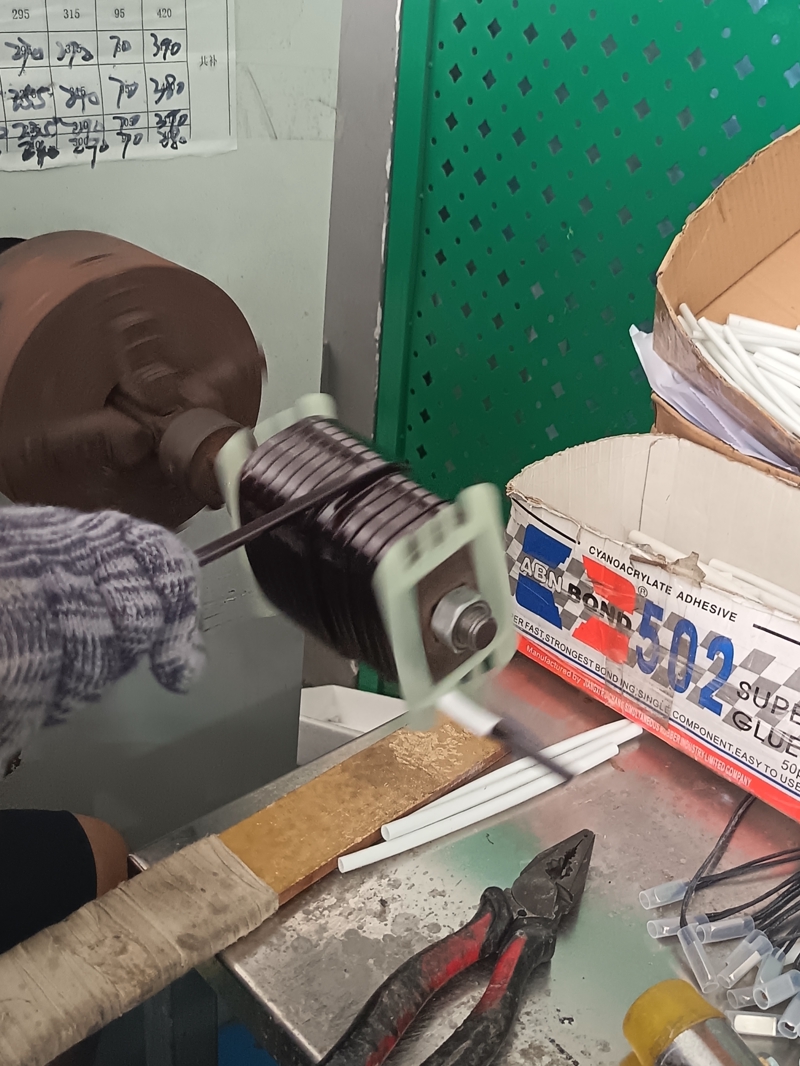
 How Do Aluminum Core Series Reactors Overcome Industry Doubts?
The aluminum core series reactor uses micro-arc oxidation coating and copper-aluminum friction welding technology to achieve strong corrosion resistance and high stability, and has passed multiple rigorous tests.
 31 2025-07
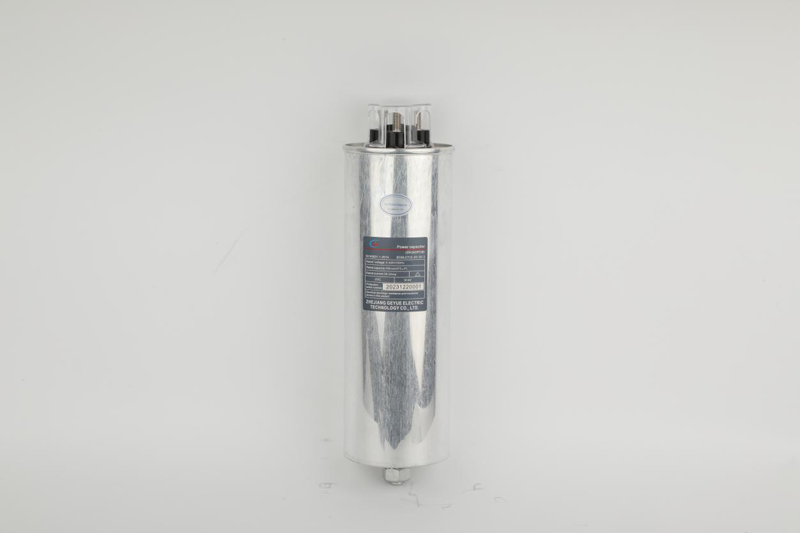
 How Do Power Capacitors Conquer the East African Plateau?
A Wenzhou company delivered capacitors specifically for the plateau of an Ethiopian sugar factory within 72 hours. Thanks to triple protection, full-process quality control, and intelligent production, it has delivered nine batches in three years with an extremely low failure rate.
Why Has the SVG and TSC Hybrid System Become the Gold Standard for Power Supply in Data Centers?
In the digital age, the stable operation of data centers has become the core support for the normal functioning of modern society. As the infrastructure that supports large-scale data processing and storage, data centers have extremely high requirements for power quality.
 26 2025-07
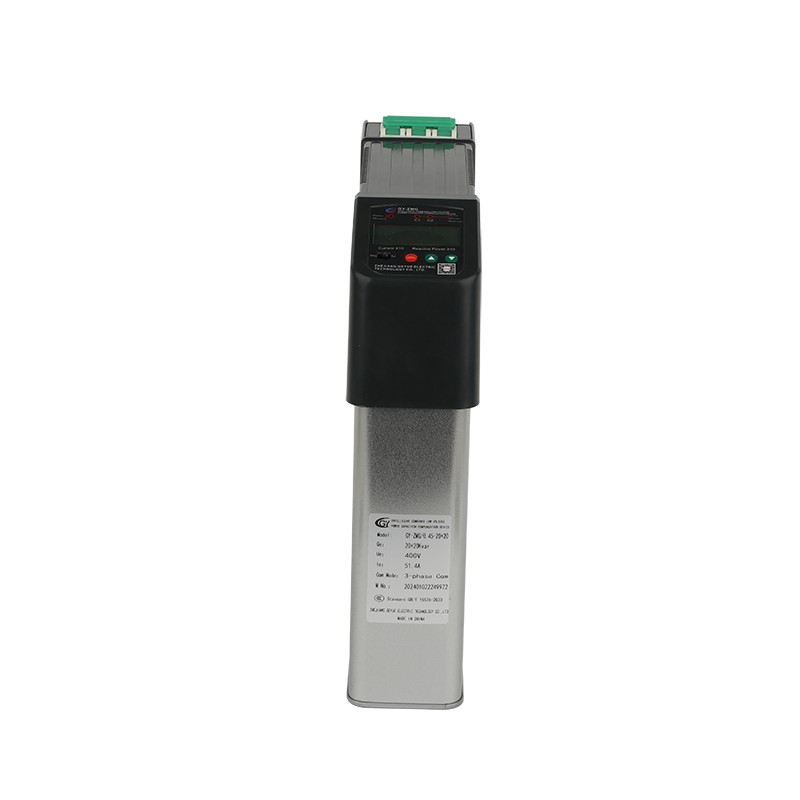
 How to Achieve "Zero Power Outage" Equipment Replacement in the Renovation of Old Capacitor Banks?
In the operation and maintenance of power systems, the renewal and transformation of old capacitor banks have always been a focus of the industry. As a professional manufacturer of low-voltage reactive power compensation equipment, Geyue Electric is well aware of the importance of capacitor banks in power systems and also understands the strict requirements of users for continuous power supply.
 24 2025-07
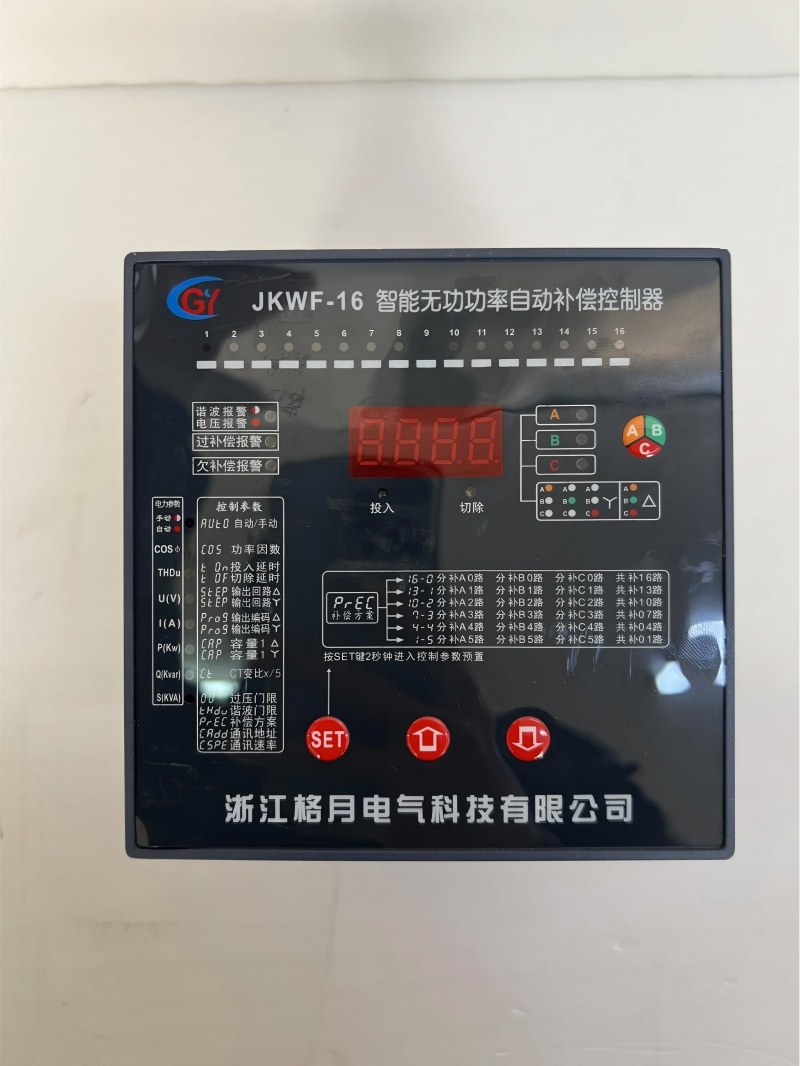
 How To Make The Compensation Cabinet Zero Failure For Three Years? JKWF Controller Gives The Answer
In industrial power distribution systems, the record of 1.7 failures per year in compensation cabinets continues to trouble equipment managers. Statistics from the State Grid Fault Data Center (report number SGCC-FD2024) show that the direct losses caused by power capacitor explosions in 2023 will reach US$600 million, of which 83% of the accidents are caused by harmonic resonance and life management failure.