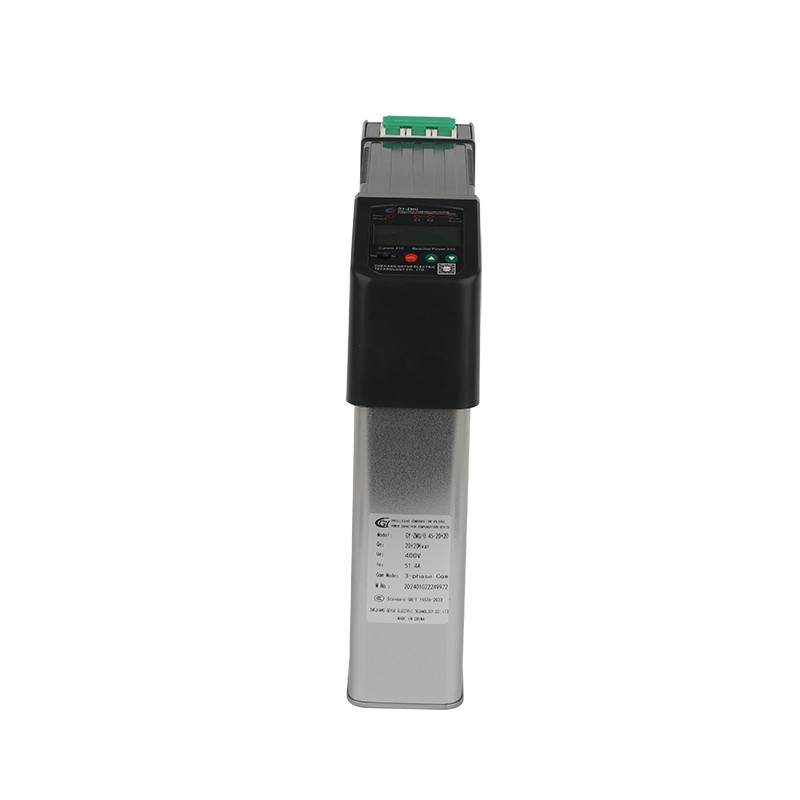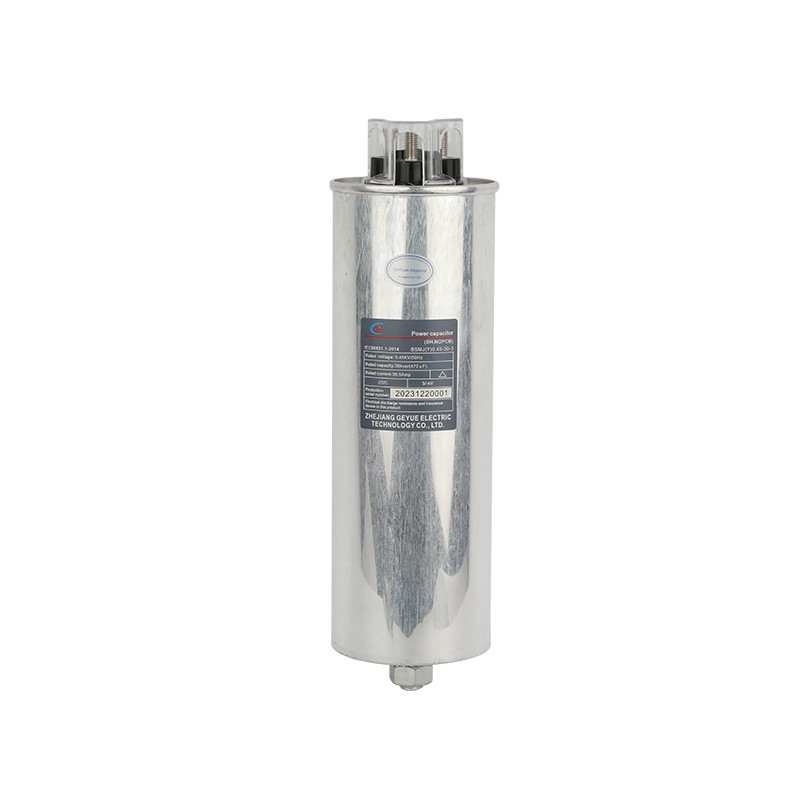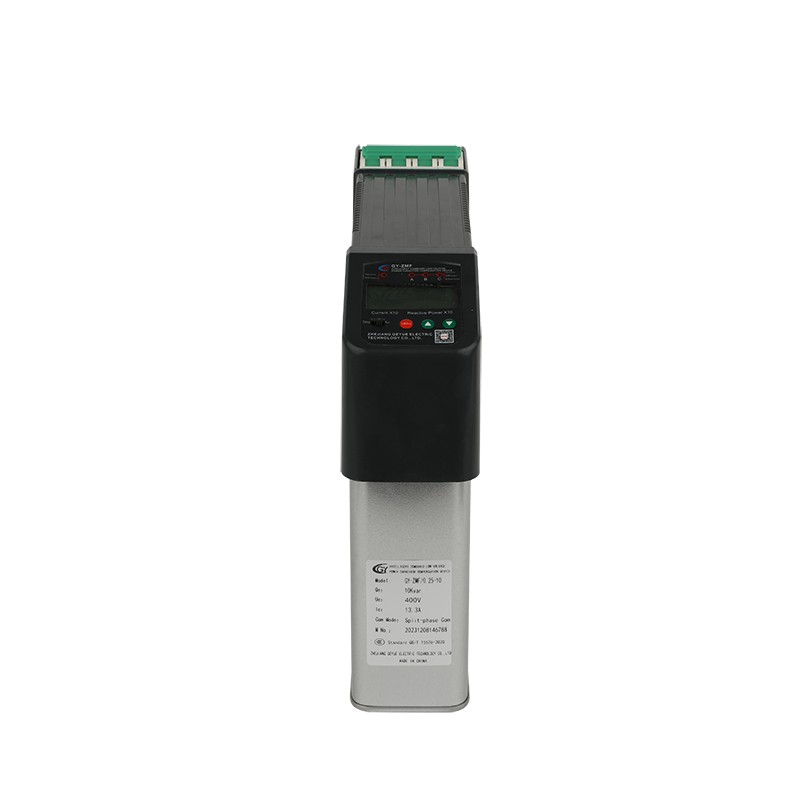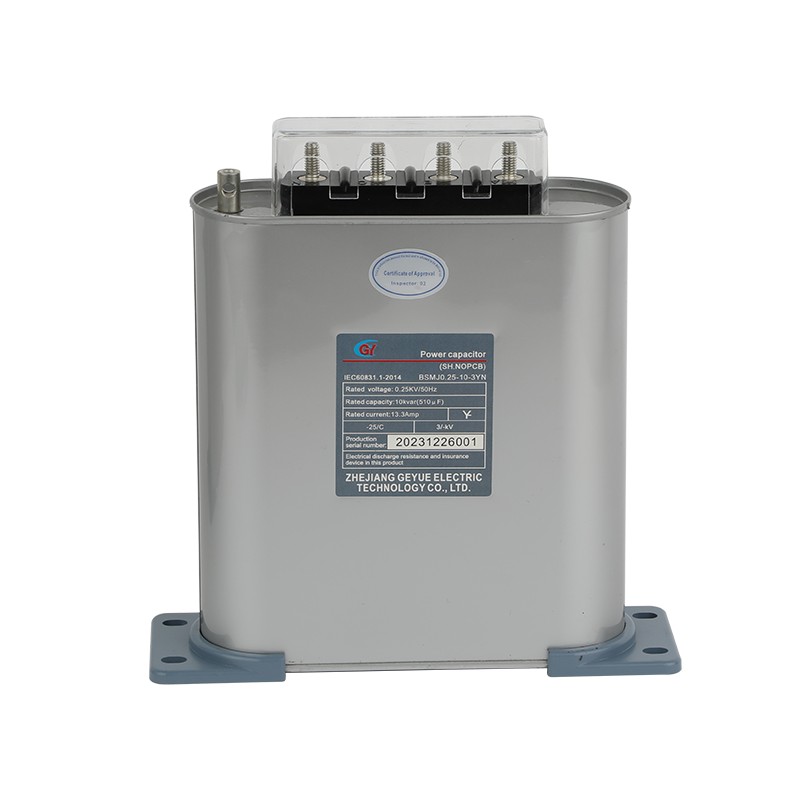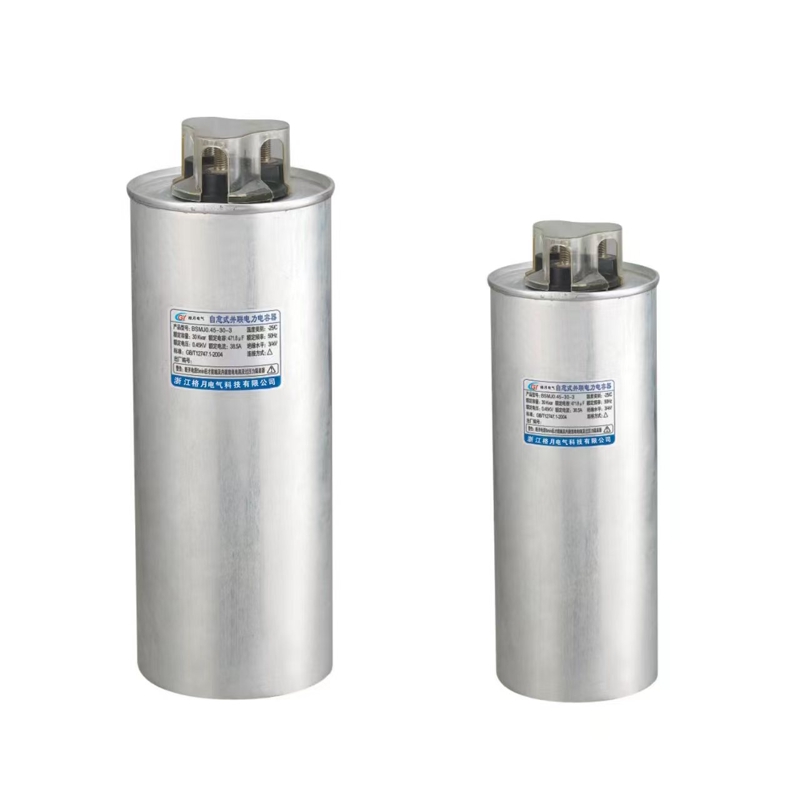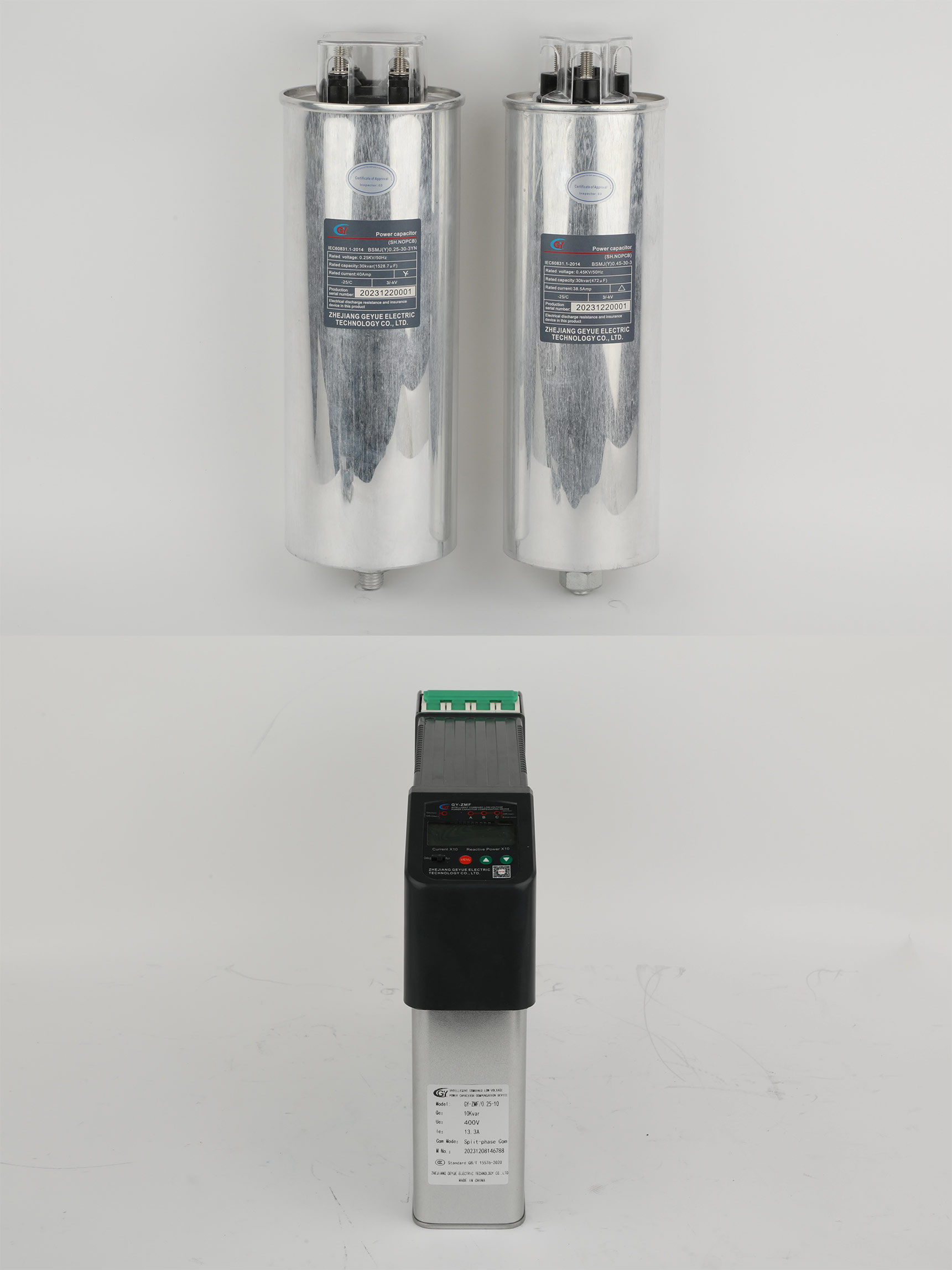
Do self-healing shunt capacitors actually save money, or are they just a waste of cash?
Last year, a friend in the power distribution cabinet business called me; the capacitors in one of his projects had bulged again. He had already replaced a batch, yet less than a year later, the same problem recurred. The client's finance department was grilling him: "Do we have to buy these capacitors annually, just like printer ink cartridges?"
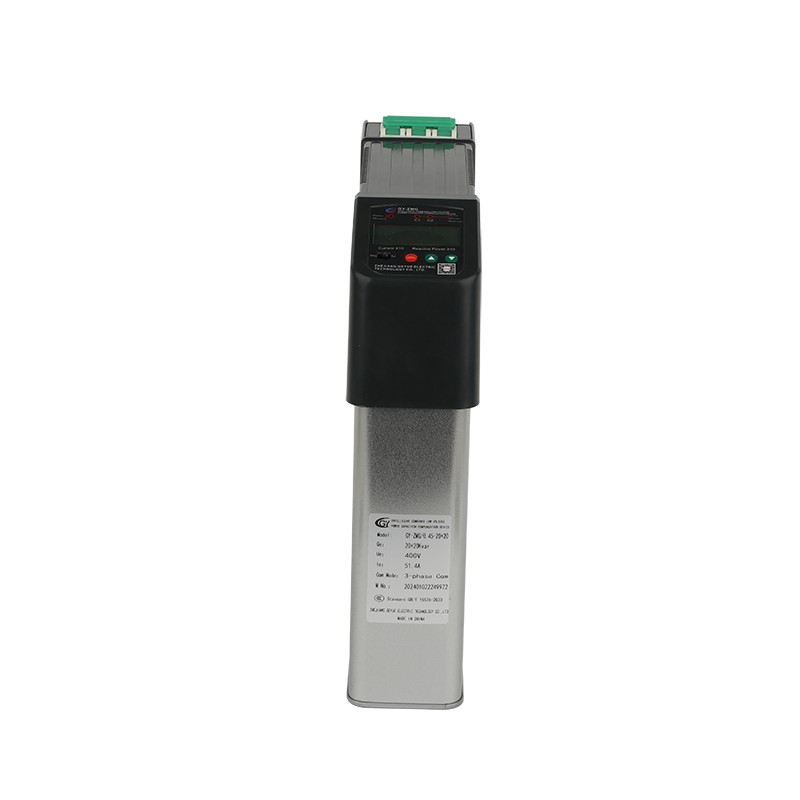
This isn't an isolated case. In the low-voltage reactive power compensation industry, dealing with capacitor bulging, leakage, and capacitance degradation—which leads to power factor penalties—has become a sort of unavoidable annual "tuition fee." Later, someone suggested switching to self-healing shunt capacitors in the project design, claiming they could repair themselves and last five or six years without maintenance.
My friend was intrigued but hesitant: self-healing capacitors cost significantly more than standard ones. Was this a genuine way to avoid future headaches, or just a marketing gimmick invented by manufacturers to get customers to spend more?
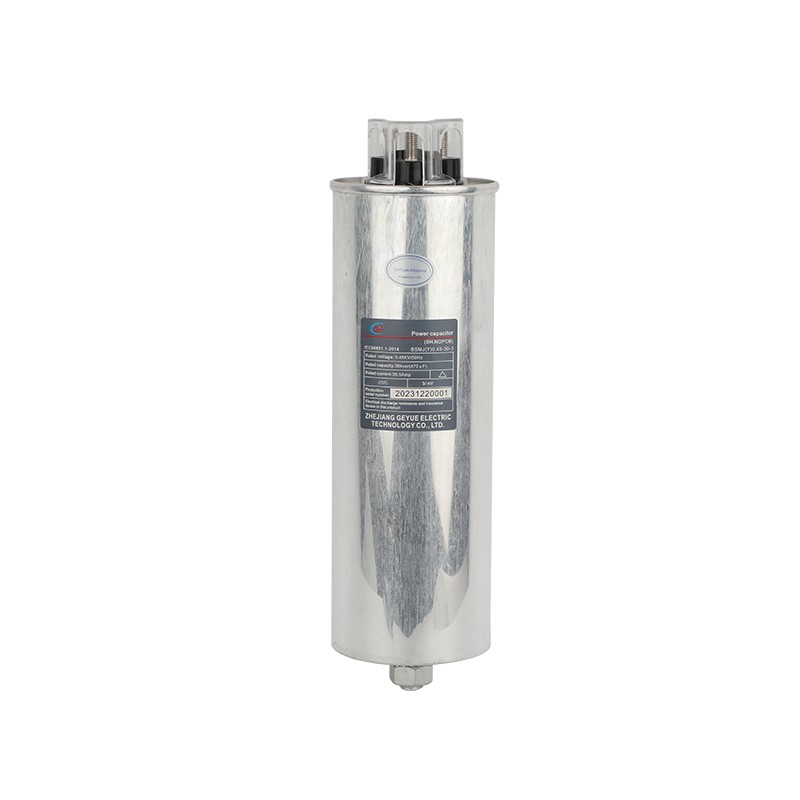
Why do standard capacitors need frequent replacement?
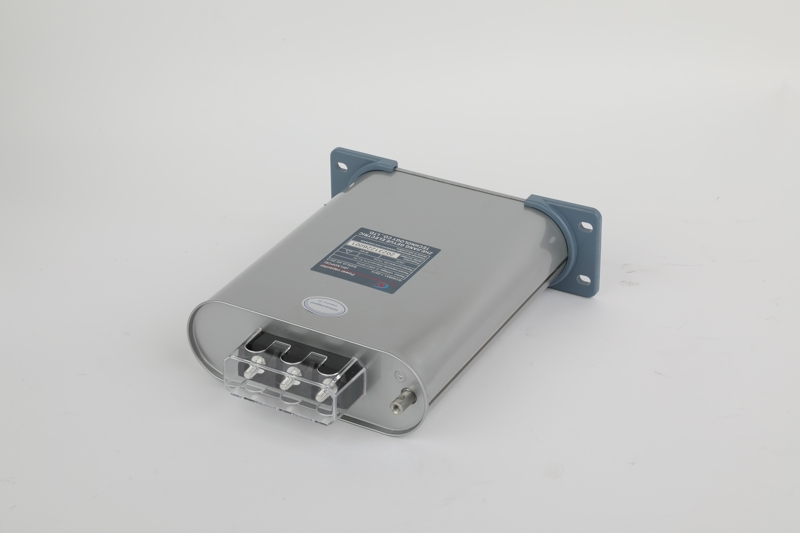
Let’s look at how standard capacitors fail. The most common type used in low-voltage shunt applications features a metallized polypropylene film structure. The electrodes consist of an ultra-thin layer of aluminum or zinc-aluminum alloy vapor-deposited onto the film surface. While they function fine under normal conditions, factors like grid harmonics, overvoltage, and inrush currents from frequent switching constantly stress the weak points in the film dielectric.
Once these weak points accumulate enough stress, dielectric breakdown occurs. The breakdown generates a high-temperature electric arc that burns away the surrounding film and the metal coating. In severe cases, the arc burns through the entire capacitor core, causing a short circuit and tripping the cabinet's circuit breaker.
Standard capacitors have no defense against this type of breakdown. A single breakdown can render the unit useless, or repeated breakdowns can cause capacitance to drop to unusable levels. This is why the replacement cycle for capacitors in industrial settings is typically only two to three years.
Related News
- Why Does a Factory Need an Automatic Power Factor Controller?
- Can a Power Capacitor Reduce Electricity Losses in a Factory?
- What Should Engineers Check Before Choosing a Low Voltage Power Capacitor?
- Why Are Self-Healing Shunt Capacitors Widely Used in Low-Voltage Power Systems?
- What Makes a Good AC Contactor Supplier?
- Why do your plant's shunt capacitors fail prematurely? Can they self-heal?
Leave me a message