News
We are glad to share with you about the results of our work, company news, and give you timely developments and personnel appointment and removal conditions.
 29 2026-04
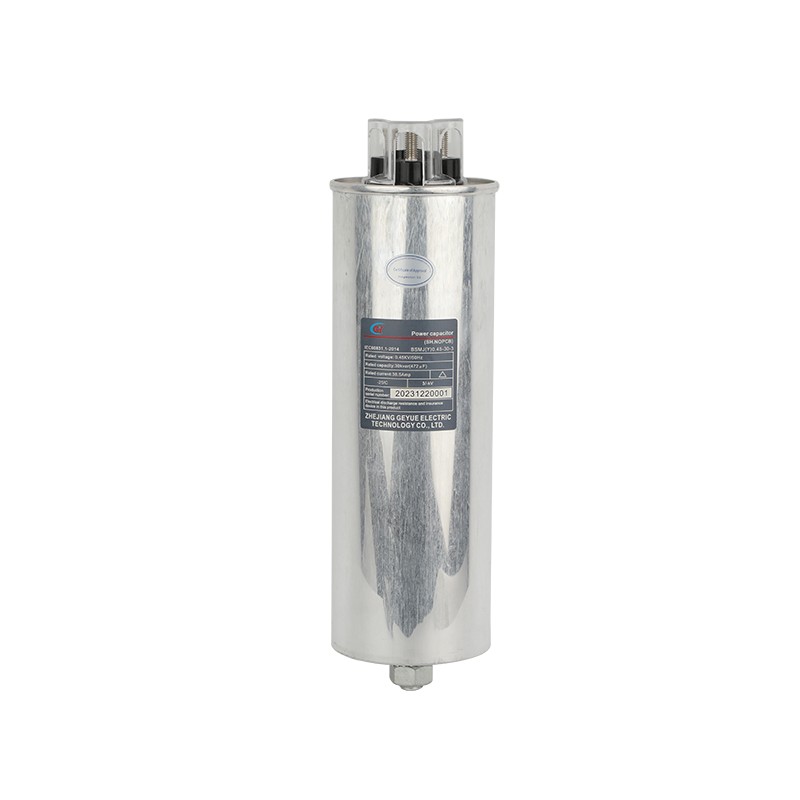
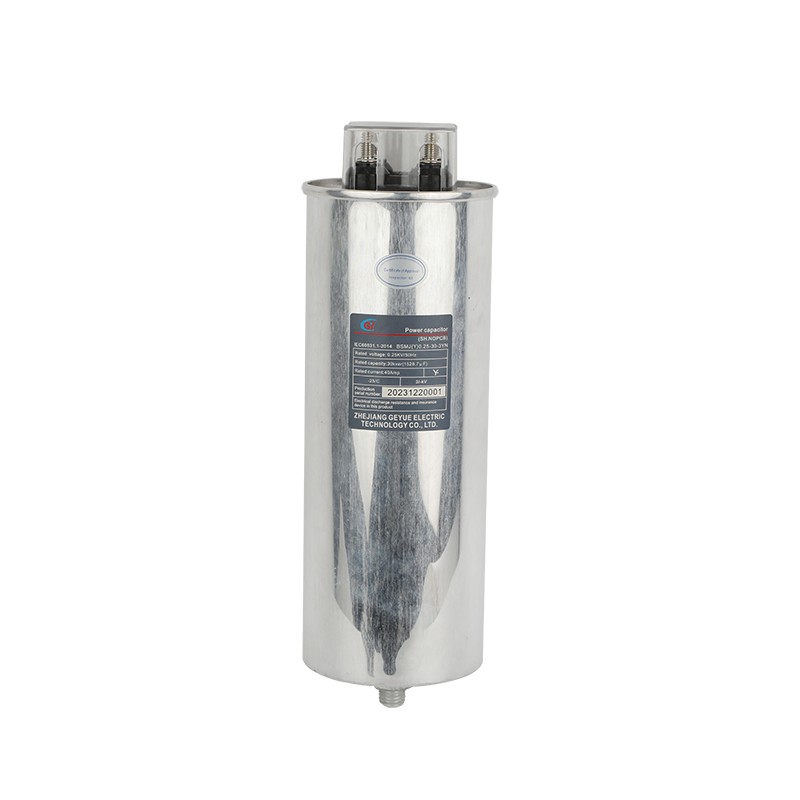
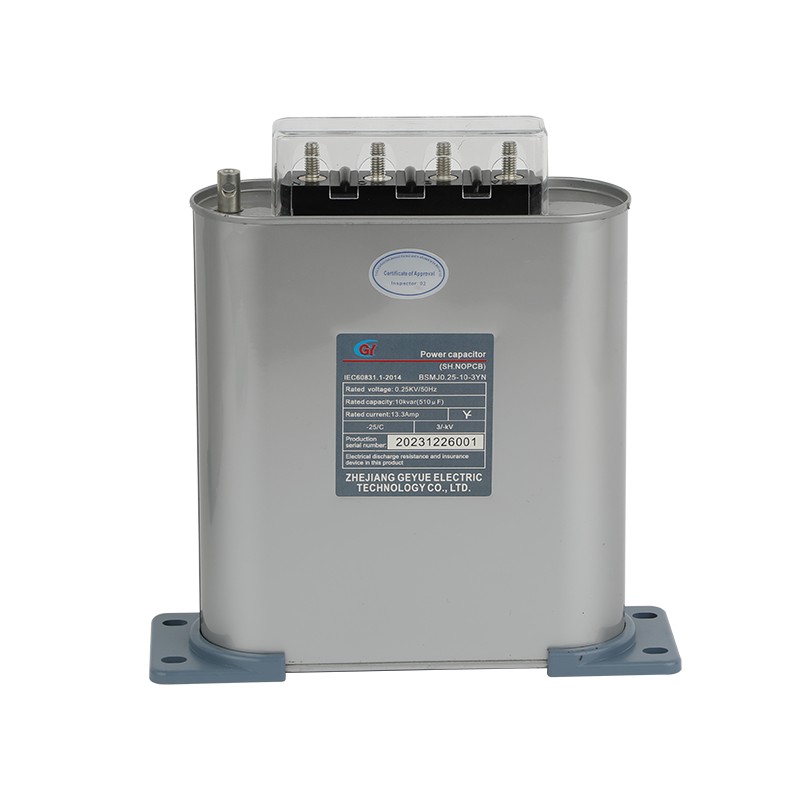
 Self-Healing Shunt Capacitors: Advancing Grid Reliability with Next-Generation Dielectric Resilience
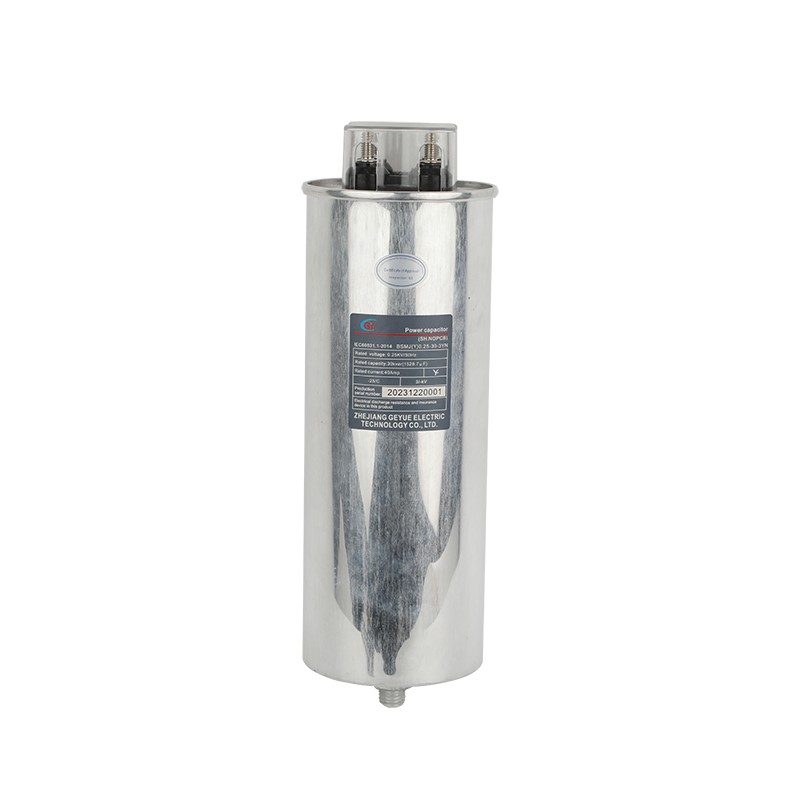
Self-healing shunt capacitors feature an innovative metallized film self-healing mechanism, explosion-proof protection and eco dry-type design. They provide reliable reactive power compensation, cut line losses, extend service life, and enhance grid stability amid rising renewable energy integration and industrial automation demand.
 21 2026-04
 Global Capacitor Industry to Achieve 8.10% CAGR Through 2034
Driven by electrification, renewable energy and strict regulations, the shunt capacitor industry will hit 8.10% CAGR. Regional shifts and verified energy-saving benefits further fuel long-term market growth.
 15 2026-04
 Why Self-healing Shunt Capacitor Technology Is Redefining Power Quality & Grid Reliability?
This article introduces self-healing shunt capacitors, a transformative innovation in power quality and grid reliability. Unlike traditional capacitors prone to failure, they use metalized polypropylene film to self-isolate defects, ensuring uninterrupted power factor correction, lower ownership costs, and enhanced safety. It notes the industry trend of retrofitting legacy capacitor banks (especially in renewable energy plants) and presents the manufacturer’s new HVC-SH Series, predicting widespread adoption by 2028 with upcoming IEC standards.
 09 2026-04
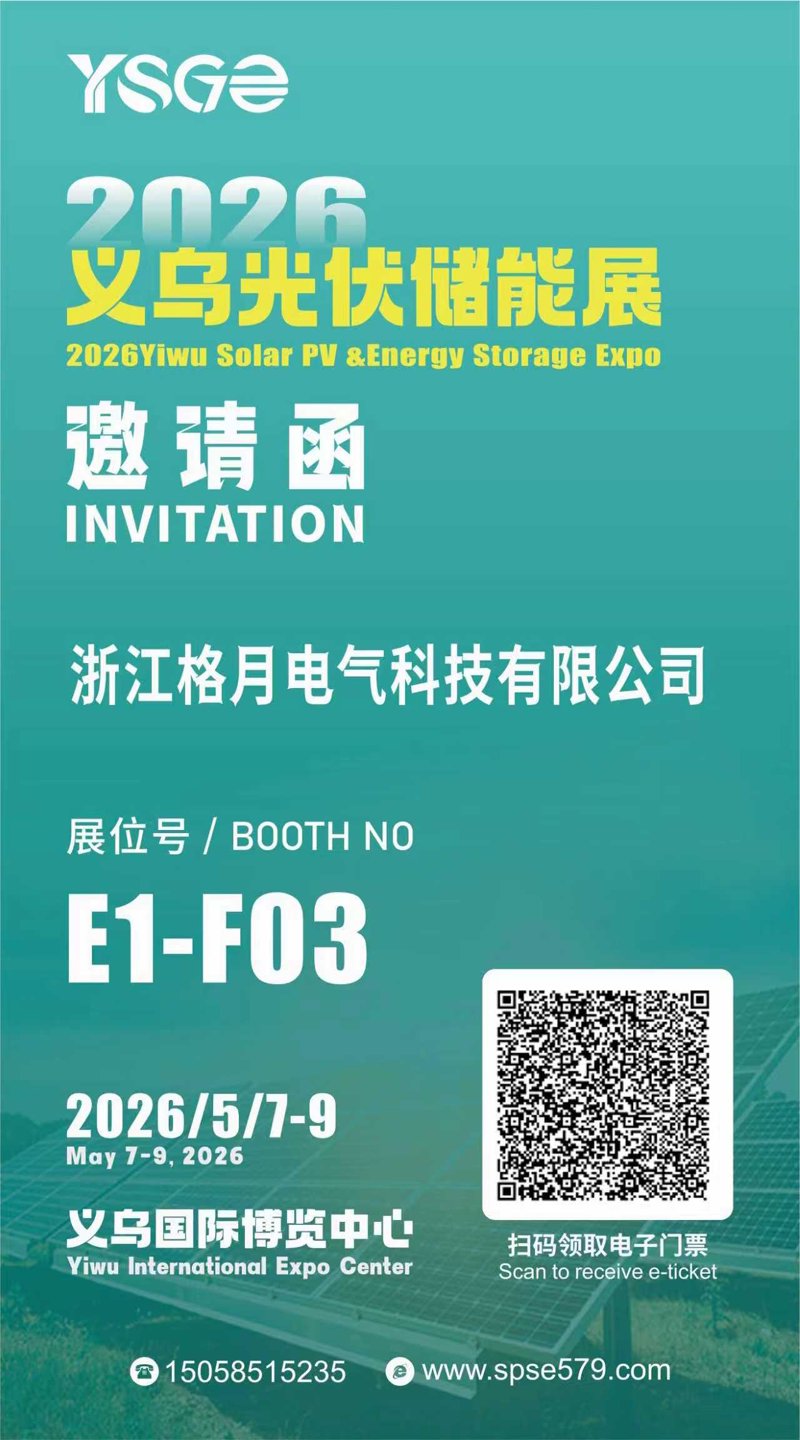
 Zhejiang Geyue Electric Technology Co., Ltd. Invites You to YSGE 2026 Yiwu Solar PV & Energy Storage Expo
Geyue Electric will attend YSGE 2026 in Yiwu to showcase reactive power compensation solutions for PV and energy storage, meet global buyers, explore cooperation and expand overseas new energy markets.
 07 2026-04
 How did Geyue Electric stand out at the 2026 Electric Capital Exhibition with its SVG/APF and PV controllers?
Geyue Electric displayed SVG/APF series and JKFG-12 PV controllers at the exhibition, gaining 300+ leads. Its products solve power quality issues and support new energy, matching global industrial and PV system demands.
 01 2026-04
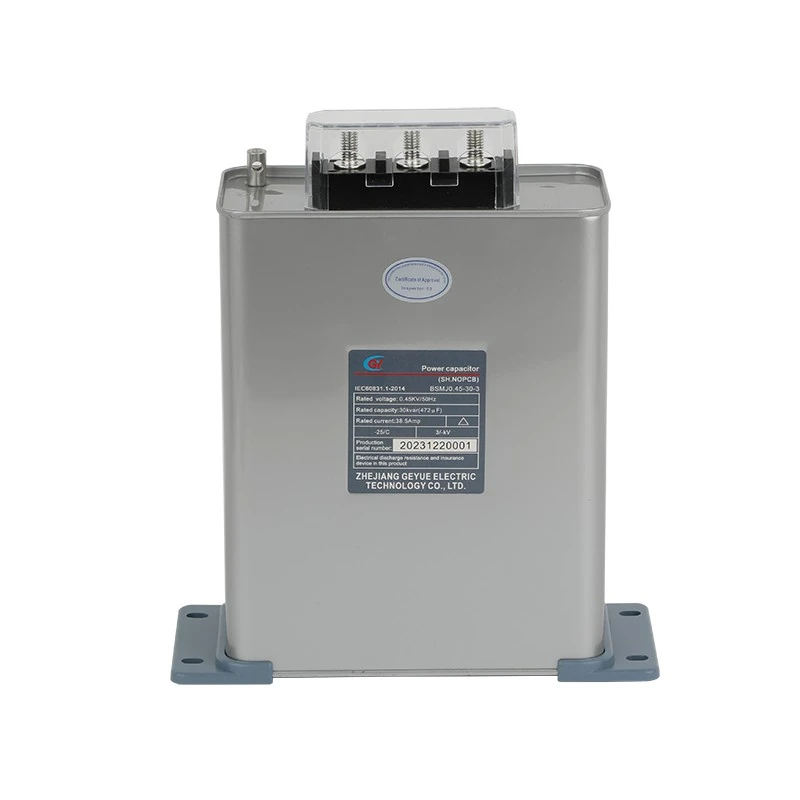
 How do Self-healing Shunt Capacitors Eliminate Wasted Electricity and Early Failures in Low-voltage Power Systems?
Self-healing shunt capacitors with metallized film repair breakdowns in microseconds, offering long life, ultra-low loss, high safety and stable performance, greatly cutting maintenance and electricity costs for industrial power distribution.