Industry News
 15 2026-06
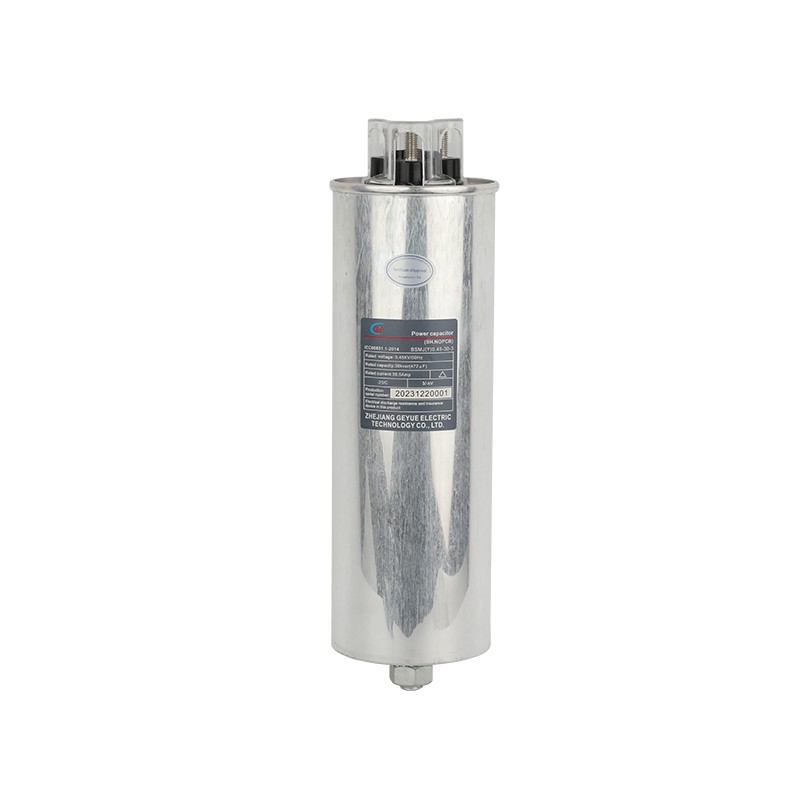
 Do self-healing shunt capacitors actually save money, or are they just a waste of cash?
Last year, a friend in the power distribution cabinet business called me; the capacitors in one of his projects had bulged again. He had already replaced a batch, yet less than a year later, the same problem recurred. The client's finance department was grilling him: "Do we have to buy these capacitors annually, just like printer ink cartridges?"
 03 2026-06
 Can Self-Healing Shunt Capacitors Really Save You Money on Annual Replacement Costs?
This article explains self-healing capacitor working principles, cost comparison data and procurement screening tips. It guides buyers on cost-effective selection and avoids inferior products to slash annual maintenance and power factor fine expenses.
 25 2026-05
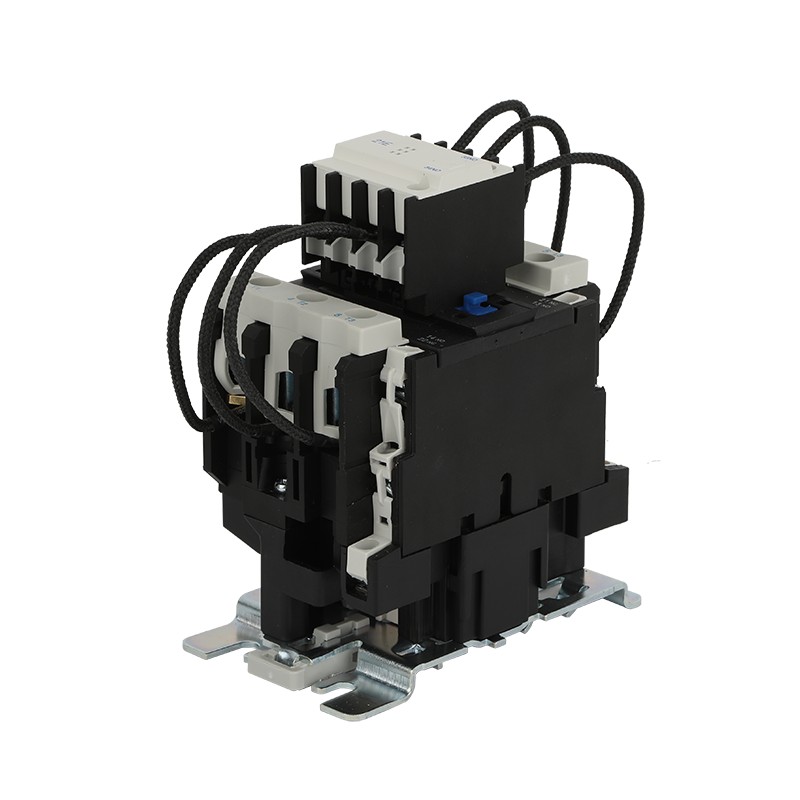
 Are You Still Using AC Contactors and SSRs for Capacitor Switching? Here‘s Why Engineers Are Switching to Compound Switches
Compound switches combine thyristor and relay merits to realize zero inrush current and arc-free switching. Featuring low heat loss, long service life and multiple intelligent protections, it cuts maintenance costs and optimizes low-voltage reactive power compensation performance.
 19 2026-05
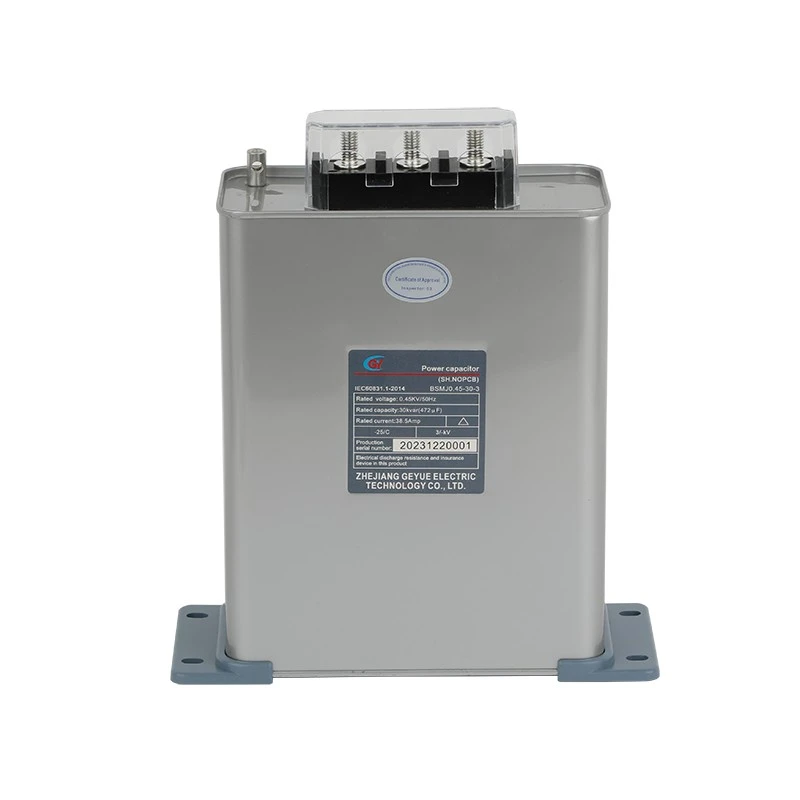
 Can Your Facility Still Afford to Ignore Automatic Power Factor Controllers in 2026?
APFC devices eliminate reactive power waste and avoid power factor penalties, cutting power bills by 8%-15%. Featuring intelligent automatic adjustment and remote monitoring, they gain wide use in factories, commercial buildings and data centers with short investment payback period.
 11 2026-05
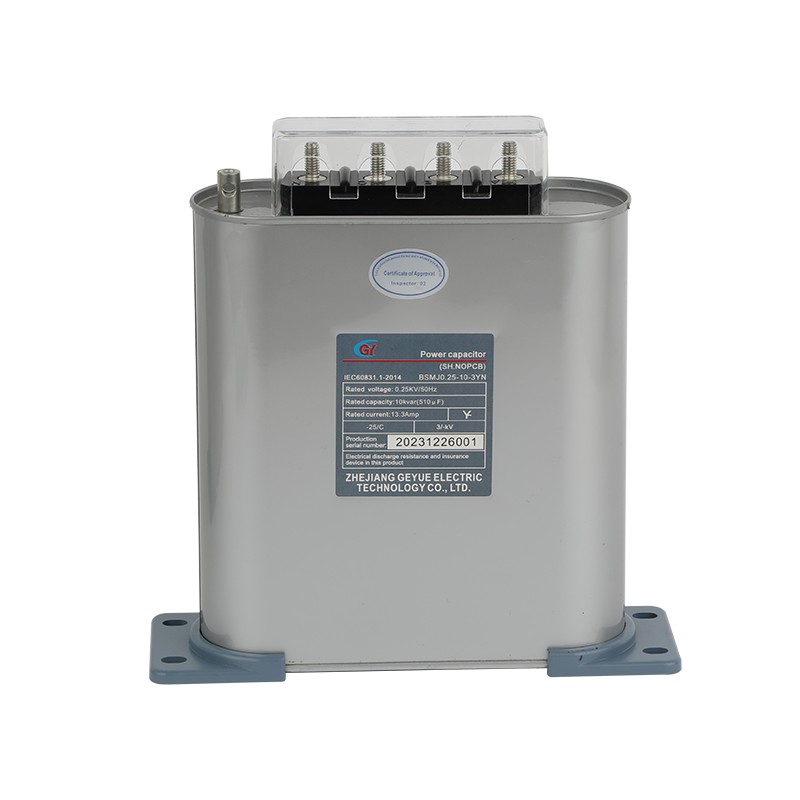
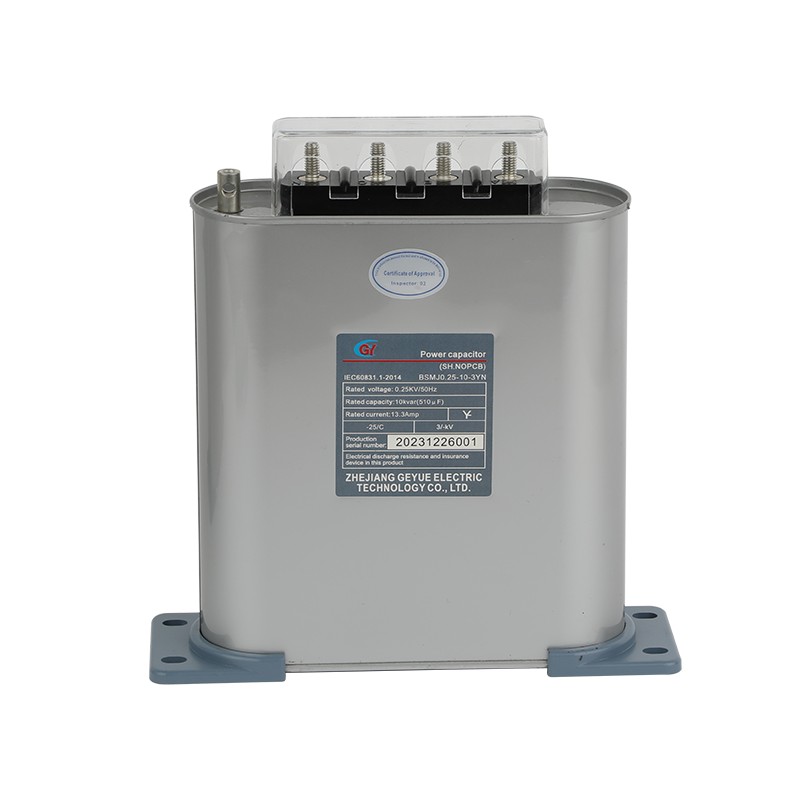
 Innovative Self-Healing Shunt Capacitors: Enhancing Power Grid Efficiency and Safety
Innovative self-healing shunt capacitors adopt metallized polypropylene film to recover automatically from voltage breakdowns. They boost power factor, extend service life, cut energy loss, improve safety, and suit industrial plants, renewable energy and commercial buildings.
 29 2026-04
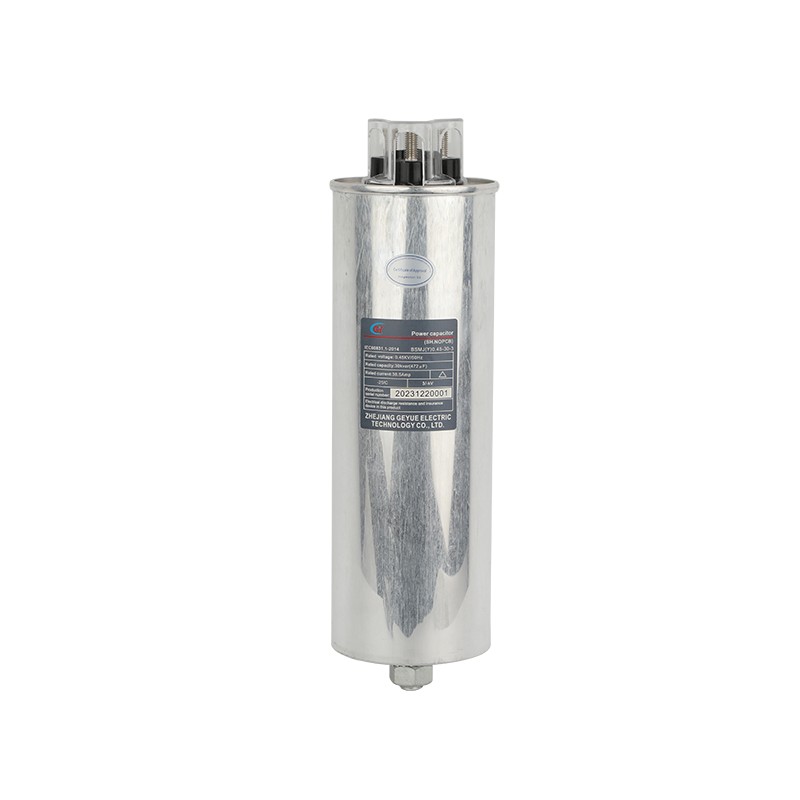
 Self-Healing Shunt Capacitors: Advancing Grid Reliability with Next-Generation Dielectric Resilience
Self-healing shunt capacitors feature an innovative metallized film self-healing mechanism, explosion-proof protection and eco dry-type design. They provide reliable reactive power compensation, cut line losses, extend service life, and enhance grid stability amid rising renewable energy integration and industrial automation demand.