
Industry News
 22 2025-10
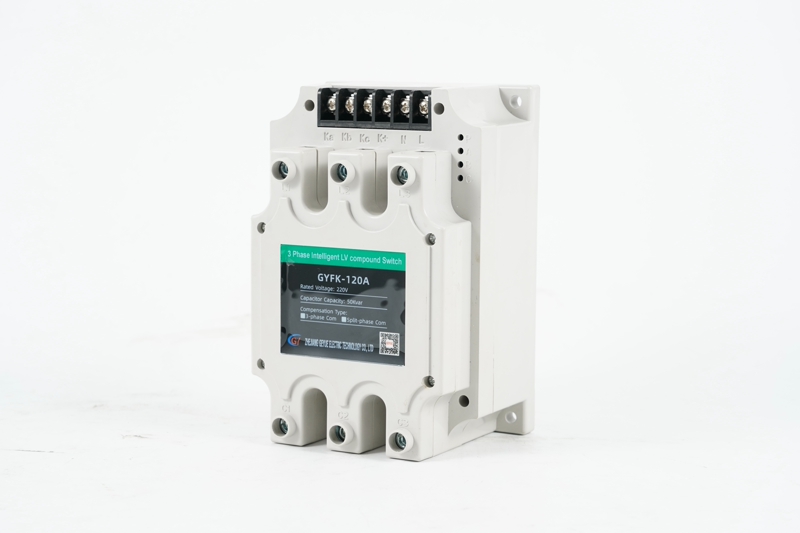
 What are the Differences in the Core Demands for Low-Voltage Reactive Power Compensation Among Different Industries (Such as Metallurgy Industry, Chemical Industry, Hospitals, and Data Centers)?
This article analyzes the differences in core demands for low-voltage reactive power compensation in metallurgy, chemical industry, hospitals, and data centers. Based on this, Geyue Electric provides customized solutions to help the development of power systems.
 20 2025-10
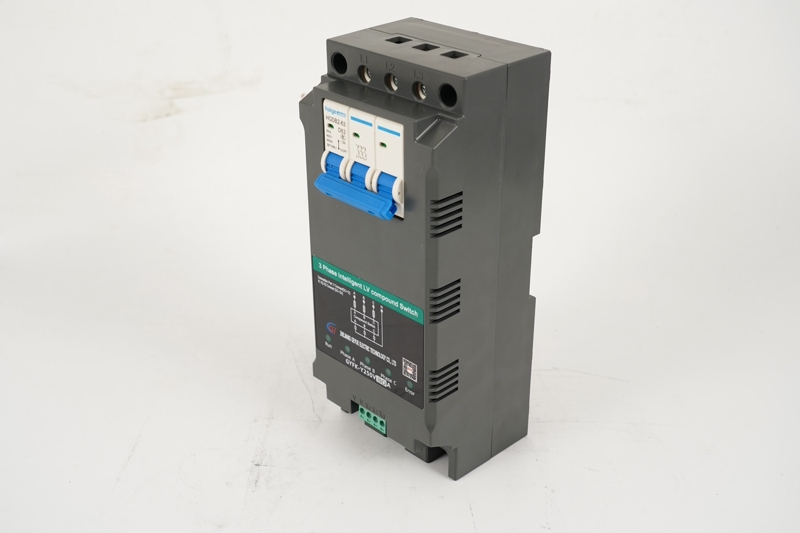
 How do Anti-Harmonic Compound Switches Solve Power Quality Problems in the Manufacturing Industry?
This article analyzes the impact of harmonics in the manufacturing industry, introduces anti-harmonic composite switch technology and its application effects, and proposes future directions to help improve power quality and reduce enterprise costs.
 18 2025-10
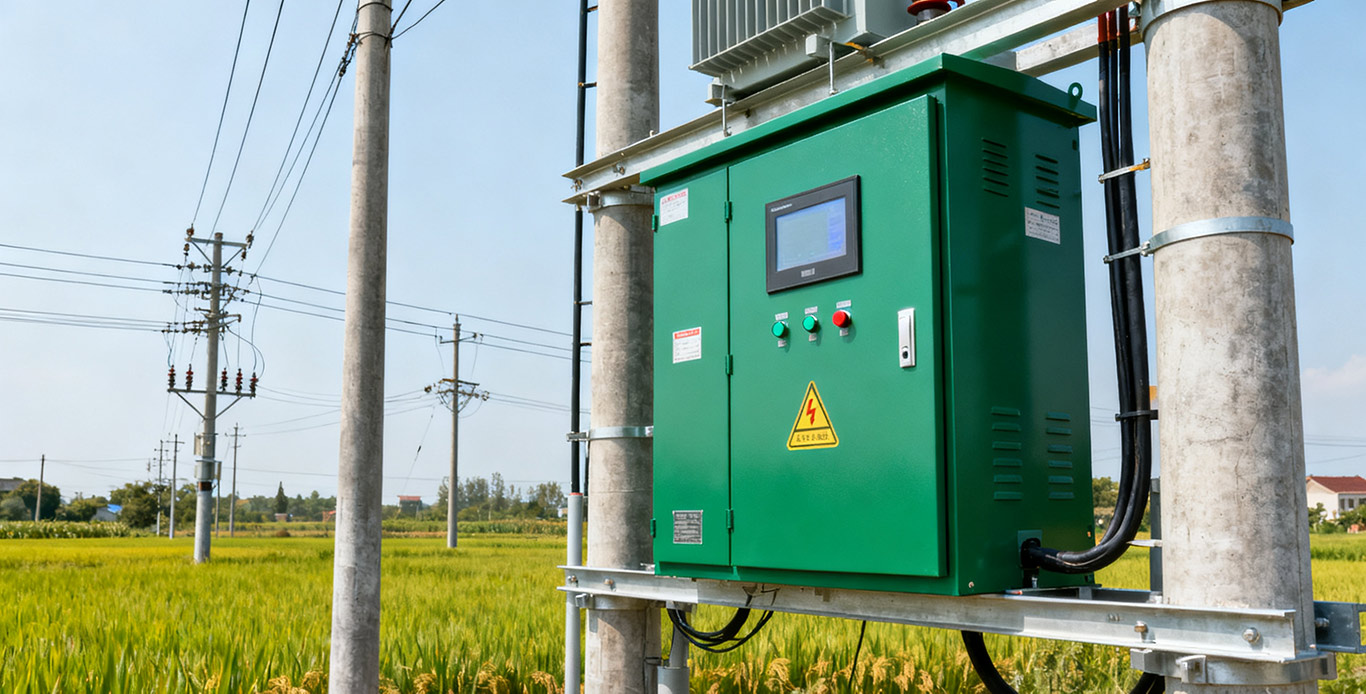
 Where Are the Pain Points and Development Opportunities of Low-Voltage Reactive Power Compensation in Rural Power Grid Renovation?
With the continuous advancement of the rural revitalization strategy and the rapid improvement of rural electrification levels, the rural power grid is undergoing a profound modernization transformation. In this transformation, low-voltage reactive power compensation, as a key link for improving power quality, ensuring grid safety, and reducing line losses, is becoming increasingly important.
 17 2025-10
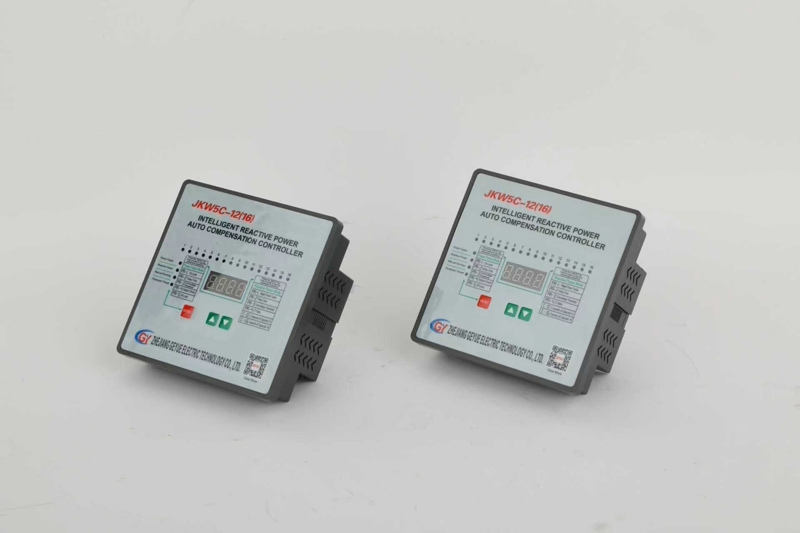
 How Can We Customize Precise Capacitor Combination Switch Solutions For Different Industries?
This article describes customized capacitor combination switch solutions for industries such as new energy and industrial manufacturing, addressing pain points in various scenarios, including intelligent operation and maintenance, to help improve power quality and efficiency.
 16 2025-10
 With a High Proportion of Renewable Energy Connected, How do Automatic Power Factor Controller Act as Grid Stabilizers?
This article discusses the challenges posed by the integration of a high proportion of renewable energy into the grid, how a new generation of automatic power factor controllers can stabilize the grid through technological breakthroughs, and includes application value and intelligent development prospects.
 15 2025-10
 How to Reduce the Power Consumption of Low-Voltage Reactive Power Compensation Equipment Itself and Achieve "Green Compensation"?
Geyue Electric believes that promoting the transformation of reactive power compensation from a single-function type to a "green compensation" of low consumption and high efficiency is not only an embodiment of corporate social responsibility, but also an inevitable path for the sustainable development of the industry.